Wound Dressing Treatment in Malegaon
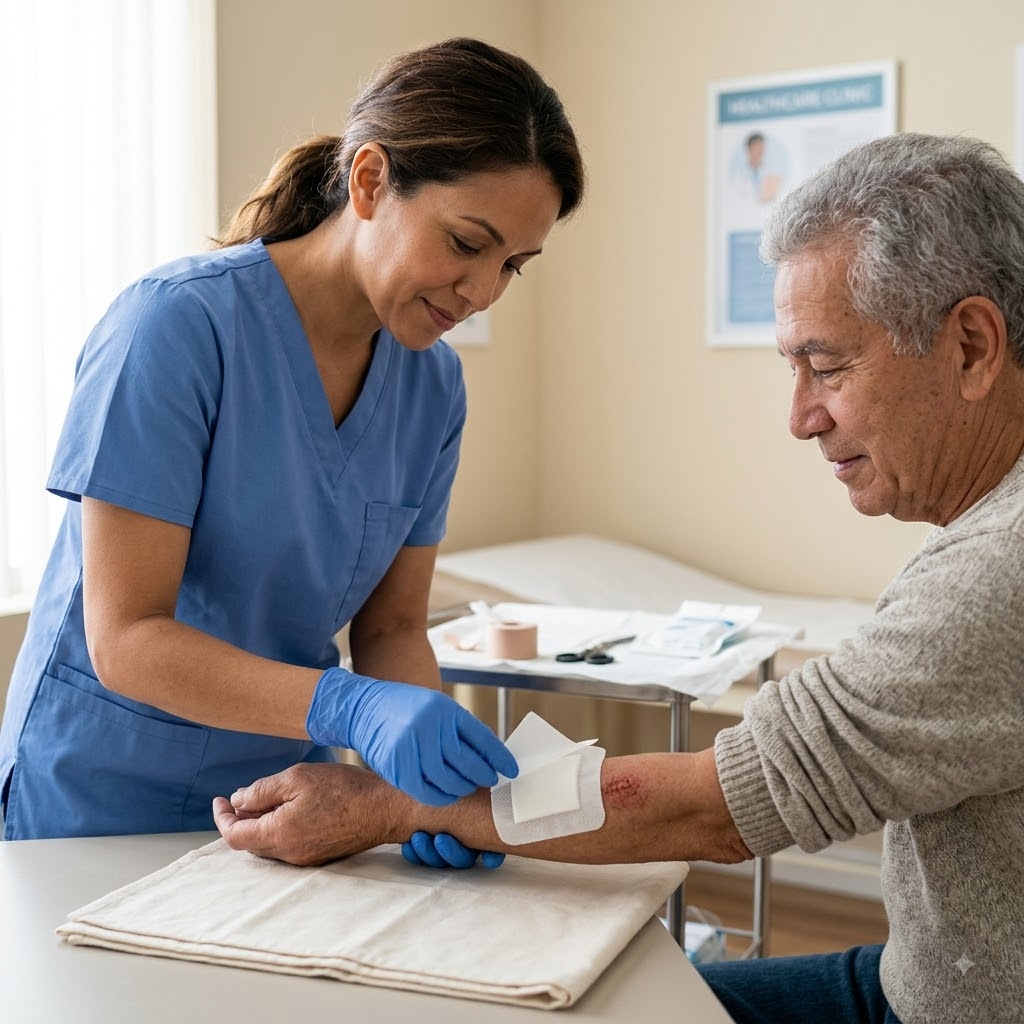
Wound Dressing Treatment in Malegaon for Different Types of Wounds
Wound dressing is an important part of caring for an open or damaged area of skin. The appropriate dressing can help protect the wound from external contamination, manage moisture and discharge, and support a suitable environment for healing.
Wound dressing treatment in Malegaon begins with assessing the type, location, depth, and condition of the wound rather than applying the same dressing to every injury. Dr. Dayanand L.M. can evaluate the wound and determine the appropriate dressing and follow-up approach according to its clinical condition.
What Is Wound Dressing?
Wound dressing involves cleaning, protecting, and covering a wound with a suitable dressing material. The choice depends on the characteristics of the wound and the surrounding skin.
Wound dressing may be required for:
- Cuts and injuries
- Diabetic wounds
- Foot ulcers
- Leg ulcers
- Pressure injuries
- Surgical wounds
- Chronic wounds
- Wounds with discharge
- Slow-healing wounds
Why Is Proper Wound Dressing Important?
An open wound can be exposed to friction, moisture, dirt, and other factors that may interfere with healing.
Appropriate wound care can help:
- Protect the wound
- Manage wound moisture
- Absorb excess discharge
- Protect surrounding skin
- Reduce unnecessary friction
- Allow regular observation of healing changes
The dressing itself is only one part of wound management. The underlying cause of delayed healing also needs attention when applicable.
Dressing for Foot and Leg Ulcers
Foot and leg ulcers can have different causes, including diabetes, pressure, venous problems, arterial circulation issues, or injury.
Before deciding on wound care, the underlying cause should be considered.
For example, some leg ulcers may be associated with swelling or venous circulation problems, while others may involve reduced arterial blood flow. The management approach can therefore differ between wounds.
Signs of Possible Wound Infection
A wound should be medically assessed if it develops:
- Increasing redness
- Swelling
- Local warmth
- Increasing pain or tenderness
- Pus
- Increased discharge
- Unpleasant odour
- Rapid worsening
- Fever
- Feeling generally unwell
People with reduced sensation may not experience significant pain even when an infection is present.
How Often Does a Wound Need Dressing?
There is no universal dressing schedule for every wound. Frequency depends on the wound type, dressing material, discharge level, surrounding skin, and clinical condition.
The dressing may need to be reviewed when:
- It becomes wet or saturated
- Discharge increases
- The wound condition changes
- The surrounding skin becomes irritated
- Infection is suspected
- The wound progresses to another healing stage
Follow the dressing schedule recommended for the specific wound.
Factors That Can Affect Wound Healing
Wound recovery can be influenced by several factors, including:
Diabetes
High or poorly controlled blood glucose can affect wound-healing processes.
Circulation
Adequate blood flow is important for delivering oxygen and nutrients to damaged tissue.
Infection
Infection can interfere with normal tissue repair.
Pressure
Repeated pressure can cause ongoing tissue damage.
Nutrition
Adequate nutrition supports normal tissue repair.
Smoking
Smoking can affect blood flow and tissue oxygenation and may interfere with healing.
When Should a Wound Be Evaluated?
Professional wound assessment is advisable when:
- The wound remains open
- Healing appears slow
- The wound becomes deeper
- Discharge persists
- Redness or swelling increases
- The wound repeatedly reopens
- An unpleasant odour develops
- There are signs of infection
- The wound occurs in a person with diabetes
- The wound develops over a pressure-prone area
Early assessment can help identify factors that may otherwise delay recovery.
Frequently Asked Questions
Wound Dressing Care in Malegaon
Every wound has different care requirements. Its location, depth, tissue condition, discharge, surrounding skin, infection risk, and underlying cause can influence the dressing approach.
For individuals seeking wound dressing treatment in Malegaon, Dr. Dayanand L.M. can assess the wound and determine appropriate dressing and follow-up requirements based on its clinical condition.