Rhinoplasty Surgery in Nashik
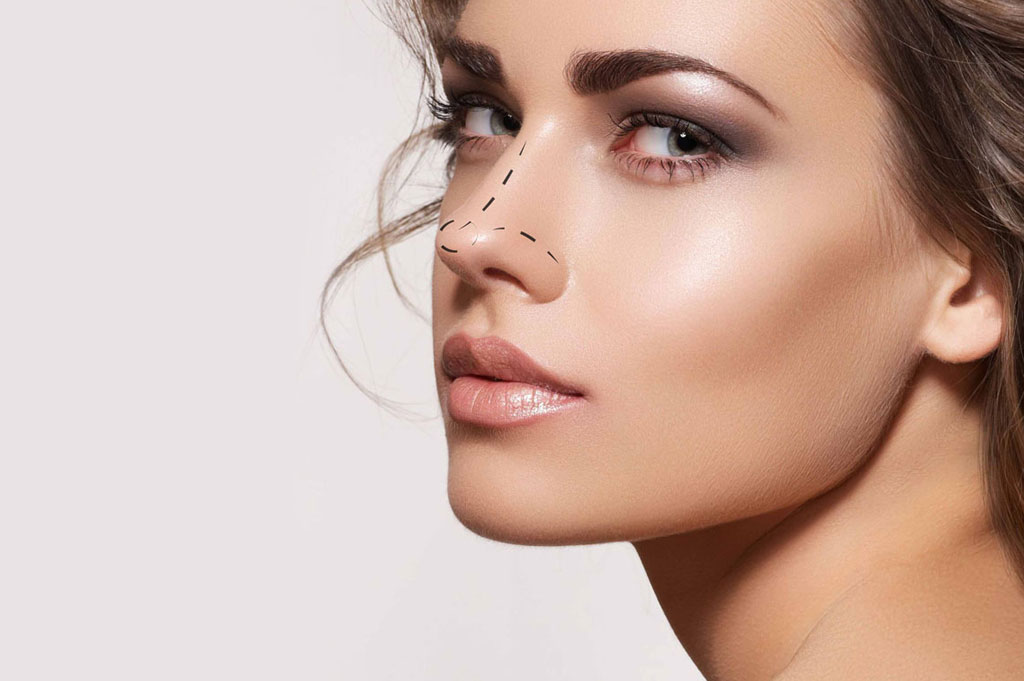
Rhinoplasty Surgery in Nashik for Nose Shape and Breathing
The shape and structure of the nose can influence facial proportions, breathing, and overall facial appearance. Natural anatomy, previous injury, ageing, and inherited features can all contribute to differences in nasal shape or function.
Rhinoplasty surgery in Nashik is a surgical procedure used to reshape selected parts of the nose. Depending on the individual's concern, surgery may address the nasal bridge, tip, nostrils, or internal structures that contribute to nasal function.
What Is Rhinoplasty?
Rhinoplasty, commonly called nose surgery, involves modifying the bone, cartilage, soft tissue, or a combination of these structures to change the shape or structure of the nose.
The procedure may be considered for:
- Nasal shape concerns
- Changes following an injury
- Structural irregularities
- Certain breathing-related concerns
- Differences in nasal proportions
- Changes resulting from previous nasal surgery
The surgical plan is individualised because nasal anatomy varies considerably between people.
Cosmetic and Functional Rhinoplasty
Rhinoplasty may be performed for cosmetic, functional, or combined reasons.
Cosmetic Rhinoplasty
Cosmetic rhinoplasty focuses on selected aspects of nasal appearance, such as:
- Nasal bridge shape
- Nasal tip shape
- Nose width
- Nostrils
- Nasal proportions
- Asymmetry
The goal is to create a change that fits the individual's existing facial structure rather than applying the same shape to every nose.
Functional Rhinoplasty
Functional concerns may involve structural problems that affect nasal airflow.
Depending on the cause, treatment may involve correcting internal structures that contribute to breathing difficulty. A detailed nasal assessment is important before deciding whether rhinoplasty is appropriate.
Why Do People Consider Rhinoplasty?
Rhinoplasty may be discussed when a person has concerns related to:
- A nasal hump or irregular bridge
- A broad or narrow nose
- A drooping or irregular nasal tip
- Nasal asymmetry
- Changes following trauma
- Structural nasal problems
- Breathing difficulty associated with nasal anatomy
Not every breathing problem requires rhinoplasty, and the underlying cause should be evaluated first.
Rhinoplasty Planning
Rhinoplasty requires detailed surgical planning because small changes to nasal structures can affect both appearance and function.
The surgical plan may consider:
- Facial proportions
- Nasal width
- Bridge height
- Tip position
- Cartilage structure
- Skin thickness
- Nasal airway
- Existing asymmetry
- Previous surgery or trauma
Realistic expectations are an important part of the consultation.
Open and Closed Rhinoplasty
Two commonly discussed approaches are open and closed rhinoplasty.
Open Rhinoplasty
An additional small incision is made across the tissue between the nostrils, allowing greater exposure of the nasal structures.
Closed Rhinoplasty
Incisions are made inside the nose, without an external incision across the columella.
The choice depends on the individual's anatomy, the planned changes, and the surgeon's assessment.
Rhinoplasty After Nasal Injury
A previous injury can change the shape or internal structure of the nose.
When trauma has affected both appearance and breathing, the surgical plan may need to address external and internal structural changes.
The timing of surgery after an injury depends on the nature of the injury and the condition of the nasal tissues.
Rhinoplasty and Breathing
Rhinoplasty does not automatically improve nasal breathing.
If breathing difficulty is caused by a deviated septum, enlarged internal structures, nasal valve problems, or another condition, these issues may need separate assessment.
When cosmetic and functional concerns occur together, they can sometimes be addressed during the same surgical plan.
Frequently Asked Questions
Rhinoplasty Surgery in Nashik
The nose has both aesthetic and functional roles, so rhinoplasty planning requires attention to facial proportions as well as internal nasal structure.
For individuals considering rhinoplasty surgery in Nashik, an individual consultation can help assess nasal anatomy, breathing concerns, previous injuries or procedures, suitable surgical approaches, recovery expectations, possible risks, and realistic treatment goals.