Blepharoplasty Surgery in Nashik
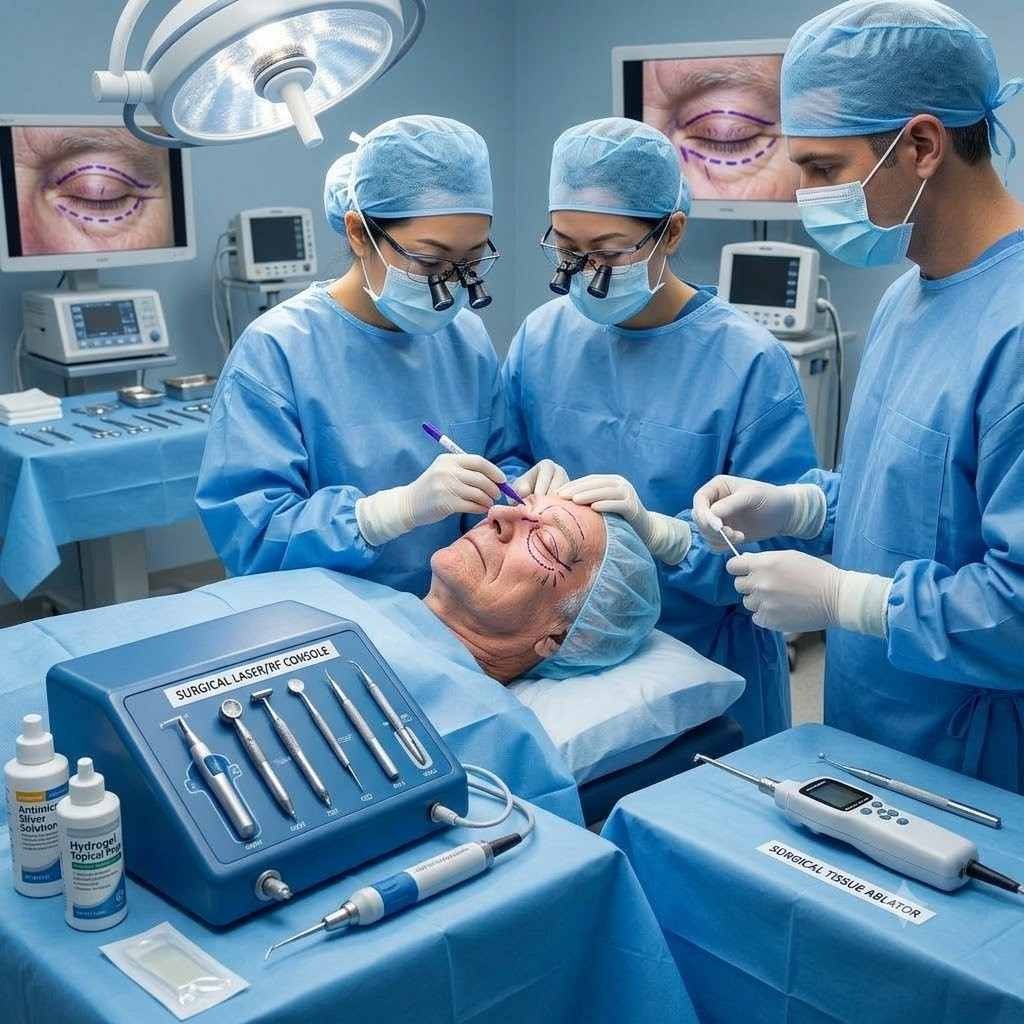
Blepharoplasty Surgery in Nashik for Upper and Lower Eyelids
The skin and tissues around the eyes can change with age, genetics, repeated sun exposure, and other factors. Some people develop excess upper-eyelid skin, under-eye bags, or changes in the appearance of the eyelids that make the eyes look different from earlier in life.
Blepharoplasty surgery in Nashik is a procedure used to remove or reposition selected excess skin and tissue around the upper or lower eyelids. Dr. Dayanand L.M. can assess the eyelid area and discuss whether surgery is appropriate based on the individual's anatomy, concerns, and overall health.
What Is Blepharoplasty?
Blepharoplasty, commonly called eyelid surgery, is performed on the upper eyelids, lower eyelids, or both.
- Removing excess eyelid skin
- Removing or repositioning selected fat
- Adjusting underlying tissue
- Improving the contour of the eyelid area
The goal and extent of surgery differ between individuals.
Why Do Eyelids Change?
Changes around the eyes can occur due to:
- Natural ageing
- Genetics
- Loss of skin elasticity
- Changes in facial fat distribution
- Repeated sun exposure
- Lifestyle and environmental factors
Some people develop noticeable eyelid changes at a relatively young age because of their natural anatomy.
Upper Eyelid Blepharoplasty
Upper eyelid surgery may be considered when there is excess skin or tissue on the upper eyelid.
A surgical incision is generally placed within the natural crease of the upper eyelid. This allows selected excess tissue to be removed while maintaining the natural structure of the eyelid.
In some cases, excess fat or underlying tissue may also require adjustment.
Lower Eyelid Blepharoplasty
Lower eyelid surgery focuses on the area beneath the eyes.
Depending on the anatomy, the procedure may involve:
- Removing or repositioning excess fat
- Addressing selected excess skin
- Supporting or reshaping lower-eyelid tissues
The surgical approach may vary depending on whether the main concern is under-eye fat, loose skin, or a combination.
Who May Consider Blepharoplasty?
Eyelid surgery may be discussed with adults who have:
- Excess upper-eyelid skin
- Lower-eyelid bags
- Loose eyelid skin
- Changes in eyelid contour
- Asymmetry between the eyelids
- Concerns related to age-related eyelid changes
When eyelid skin interferes with the upper field of vision, an ophthalmic assessment may also be appropriate.
Scarring After Blepharoplasty
Incisions for upper eyelid surgery are generally positioned within the natural eyelid crease. Lower eyelid incision placement depends on the technique used.
Scar appearance varies according to:
- Surgical technique
- Skin characteristics
- Individual healing
- Genetics
- Postoperative care
Dry Eyes and Eyelid Surgery
People with pre-existing dry-eye symptoms should discuss them before surgery. Eyelid surgery can temporarily affect eye comfort and tear distribution.
A careful preoperative assessment helps determine whether additional precautions are needed.
Blepharoplasty and Brow Position
Upper-eyelid heaviness can sometimes be related to the position of the eyebrows rather than excess eyelid skin alone.
During assessment, brow position may therefore be considered. In selected cases, another procedure may be more appropriate than eyelid surgery alone.
Frequently Asked Questions
Blepharoplasty Surgery in Nashik
Changes around the eyelids can involve skin, fat, muscles, brows, or the natural structure of the eye area. Understanding the specific cause is important before selecting a surgical approach.
For individuals considering blepharoplasty surgery in Nashik, Dr. Dayanand L.M. can assess the upper and lower eyelids, discuss suitable surgical techniques, explain recovery and scarring, and review potential risks before treatment.