Male Breast Reduction in Nashik
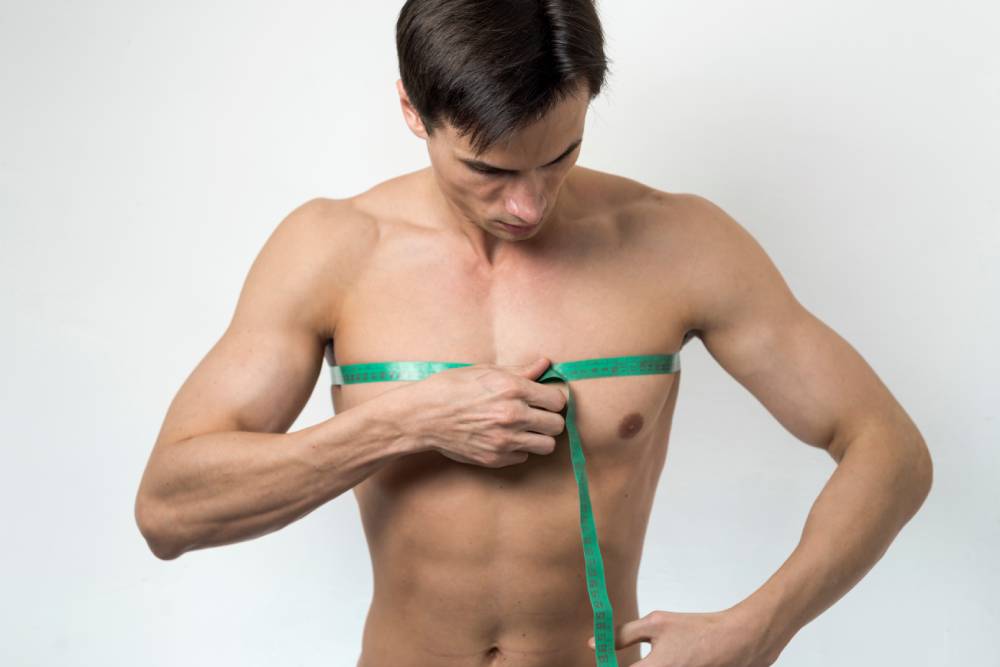
Male Breast Reduction in Nashik
Male breast enlargement, medically known as gynecomastia, refers to an increase in breast gland tissue in males. It can affect one or both sides and may occur at different stages of life. The condition can sometimes be related to hormonal changes, certain medicines, weight changes, or underlying health conditions.
Male breast reduction in Nashik is a surgical option for reducing excess breast tissue, fat, or both when enlargement persists and surgery is considered appropriate. The treatment approach depends on the type and amount of tissue present.
What Is Gynecomastia?
Gynecomastia is an enlargement of male breast tissue caused by an imbalance between estrogen and testosterone activity.
It is different from simply having excess fat around the chest. Some men may have predominantly glandular tissue, while others may have a combination of glandular tissue and fat.
A clinical assessment can help determine the likely cause and tissue composition.
What Can Cause Male Breast Enlargement?
Several factors can contribute to gynecomastia, including:
- Hormonal changes during puberty
- Age-related hormonal changes
- Weight gain
- Certain medications
- Liver or kidney-related conditions
- Thyroid disorders
- Use of certain substances
- Other hormonal or medical conditions
In some cases, no specific cause is identified.
When Is Male Breast Reduction Considered?
Surgery may be discussed when:
- Breast enlargement persists
- Excess glandular tissue is present
- Excess chest fat contributes to the appearance
- The condition does not improve with appropriate non-surgical management
- The enlargement causes ongoing physical or personal concerns
A medical evaluation is important before deciding on surgery, particularly when breast enlargement has developed recently or has unusual features.
Surgical Approaches for Male Breast Reduction
The technique depends on the type of tissue causing the enlargement.
Liposuction
When excess fatty tissue is a major component, liposuction may be considered to reduce the fat beneath the skin and improve chest contour.
Liposuction does not remove firm glandular tissue.
Excision
When firm glandular tissue or excess skin needs to be removed, surgical excision may be required.
The incision and technique depend on the amount and location of tissue.
Combined Approach
Some individuals have both excess fat and glandular tissue. In such cases, liposuction and tissue excision may be used together.
The appropriate technique is selected after examining the chest.
Can Male Breast Reduction Treat All Types of Chest Enlargement?
Not necessarily. The chest may appear enlarged because of:
- Glandular breast tissue
- Fat deposition
- Excess skin
- A combination of these factors
The cause needs to be identified before selecting a treatment approach.
Male Breast Reduction and Weight Changes
Weight can influence chest appearance. If excess body fat is a significant contributor, changes in body weight may affect the result.
However, weight loss does not necessarily remove enlarged glandular breast tissue. A clinical assessment can help distinguish between gynecomastia and chest fat.
Can Gynecomastia Return After Surgery?
Removal of glandular tissue can reduce the existing enlargement, but future changes may occur if contributing factors remain.
Weight changes, hormonal conditions, certain medicines, or other underlying factors may influence the chest over time.
Frequently Asked Questions
Male Breast Reduction in Nashik
Male breast enlargement can have different causes, so treatment begins with understanding whether the enlargement is related mainly to glandular tissue, fat, excess skin, or a combination.
For individuals considering male breast reduction in Nashik, a consultation can help evaluate the cause of breast enlargement, discuss suitable surgical approaches, explain expected recovery, and review potential risks before deciding on treatment.