Wound Dressing Treatment in Jalgaon
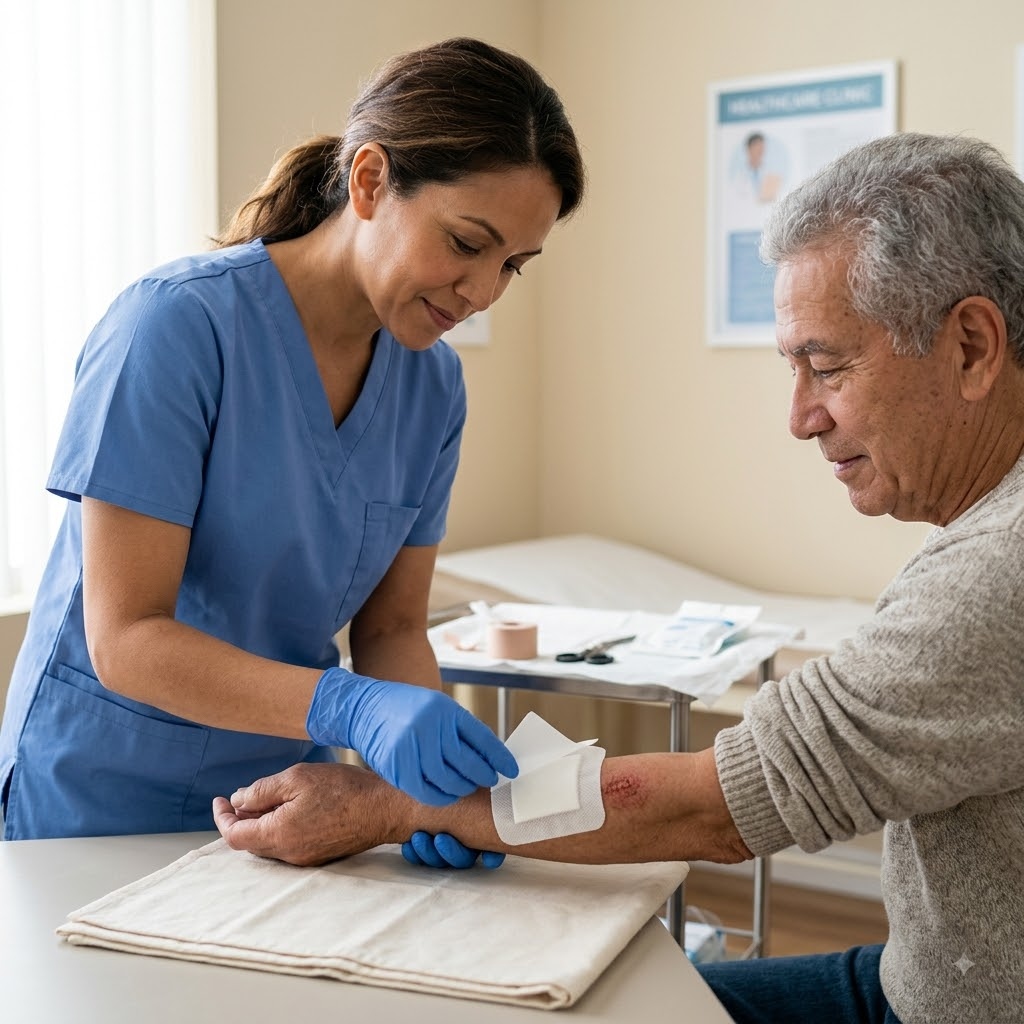
Wound Dressing Treatment in Jalgaon for Wound Care
Wound dressing is an important part of managing an open wound and protecting the affected area during healing. The appropriate dressing depends on factors such as wound size, depth, tissue condition, discharge, and the surrounding skin.
Wound dressing treatment in Jalgaon involves assessing the wound and selecting suitable dressing and care measures according to its condition. Dr. Dayanand L.M. can evaluate different types of wounds and recommend an appropriate wound-care and follow-up plan based on the clinical findings.
What Is Wound Dressing?
A wound dressing is used to cover and protect an injured area of skin. Depending on the wound, a suitable dressing may help protect the tissue, manage discharge, reduce friction, and maintain an appropriate environment for healing.
The dressing selected can vary according to:
- Wound depth
- Amount of discharge
- Wound-bed condition
- Location
- Surrounding skin
- Presence of infection
- Stage of healing
Which Wounds May Need Dressing?
Dressing care may be required for different types of wounds, including:
- Cuts and lacerations
- Surgical wounds
- Open injuries
- Foot wounds
- Skin ulcers
- Slow-healing wounds
- Pressure-related wounds
- Wounds with discharge
- Minor wounds requiring protection
The care approach depends on the type and condition of the wound.
Why Is Wound Assessment Important?
Before selecting a dressing, the wound may need to be examined carefully. Assessment helps determine the appropriate care and identify factors that could delay healing.
The evaluation may consider:
- Wound location
- Length and width
- Depth
- Wound-bed appearance
- Type and amount of discharge
- Surrounding skin
- Signs of infection
- Swelling
- Pain or tenderness
- Blood circulation
- Relevant medical conditions
The dressing approach can be changed as the wound progresses.
Types of Wounds and Their Care
Clean and Superficial Wounds
These wounds may primarily require protection from contamination, friction, and further injury while the skin heals.
Wounds With Discharge
Wounds producing fluid may require dressings that can manage the discharge while protecting the surrounding skin.
Deeper Wounds
Deeper wounds may require more frequent assessment to monitor tissue condition and healing.
Surgical Wounds
Post-operative wounds should be managed according to the procedure performed and instructions provided by the treating healthcare professional.
Signs That a Wound May Need Medical Assessment
A wound should be evaluated when there are changes such as:
- Increasing redness
- Swelling
- Local warmth
- Increasing pain
- Pus
- Increased discharge
- Unpleasant odour
- Wound enlargement
- Colour changes
- Fever
- Lack of expected healing
These signs may indicate infection or another factor affecting wound recovery.
Wound Dressing for People With Diabetes
People with diabetes may require careful attention when they develop a wound because diabetes can affect sensation, circulation, and tissue repair.
A small injury may go unnoticed when sensation is reduced. Regular inspection of the feet and skin can therefore be useful.
Blood glucose management should continue according to the individual's medical advice.
Protecting the Wound Between Dressing Changes
Care between dressing changes can help protect the affected area.
Depending on the wound, instructions may include:
- Keeping the dressing appropriately secured
- Avoiding unnecessary pressure
- Protecting the wound from friction
- Keeping the surrounding skin clean and dry
- Avoiding repeated injury
- Following the recommended dressing schedule
- Monitoring for changes
Wound care instructions should be followed according to the individual's clinical condition.
When Should You Seek Medical Care?
Medical assessment is advisable when a wound:
- Does not improve as expected
- Becomes deeper or larger
- Develops persistent discharge
- Shows increasing redness or swelling
- Becomes increasingly painful
- Develops an unpleasant smell
- Changes colour
- Reopens repeatedly
- Is associated with fever
Timely evaluation can help identify factors affecting healing.
Frequently Asked Questions
Wound Dressing Care in Jalgaon
Appropriate dressing care depends on the wound's condition and healing requirements. Wound assessment, suitable dressing selection, protection from further injury, infection monitoring, and regular follow-up can form important parts of wound management.
For individuals looking for wound dressing treatment in Jalgaon, Dr. Dayanand L.M. can assess the wound and advise on an appropriate dressing and follow-up plan based on its clinical condition.