Non-Healing Wound Treatment in Nandurbar
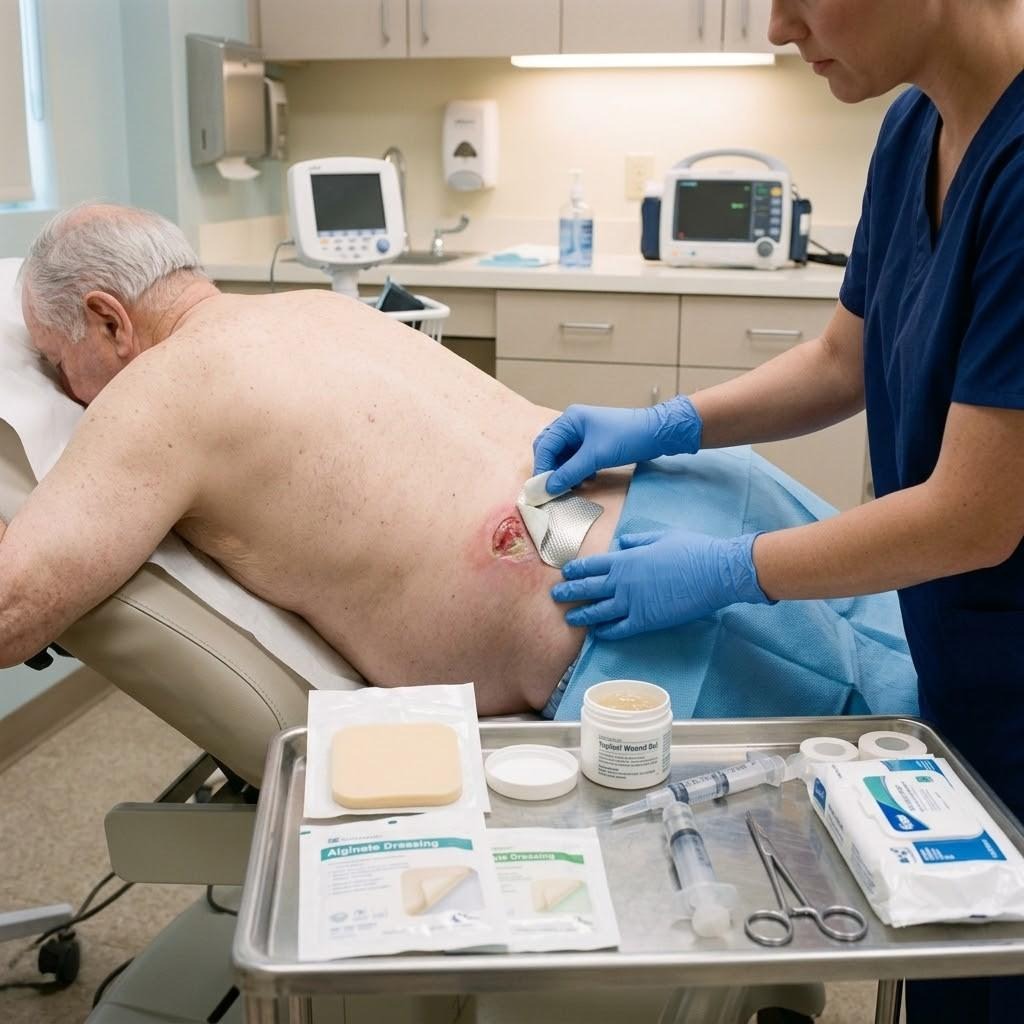
Non-Healing Wound Treatment in Nandurbar for Persistent Wounds
A wound that remains open for longer than expected or repeatedly breaks down may indicate that one or more factors are interfering with normal healing. Diabetes, poor circulation, infection, repeated pressure, reduced sensation, nutritional concerns, and ongoing trauma can all contribute to delayed wound healing.
Non-healing wound treatment in Nandurbar focuses on identifying why the wound has persisted and addressing factors that may be preventing recovery. Dr. Dayanand L.M. can evaluate the wound, assess its depth and tissue condition, and recommend an appropriate wound-care and follow-up plan based on the clinical findings.
What Is a Non-Healing Wound?
A non-healing wound is an injury that does not show expected improvement over time or repeatedly opens after appearing to improve.
Such wounds may occur on:
- Feet
- Toes
- Heels
- Ankles
- Lower legs
- Pressure-prone areas
- Surgical sites
- Other areas affected by repeated injury
The appearance and cause can vary significantly between individuals.
Why Do Some Wounds Fail to Heal?
Healing can be affected by several local and systemic factors.
Diabetes
Diabetes may affect sensation, circulation, and tissue repair. A small wound can also go unnoticed when sensation is reduced.
Poor Blood Circulation
Reduced blood flow can affect oxygen and nutrient delivery to damaged tissue.
Infection
An infected wound may show delayed healing, increased discharge, redness, swelling, or other changes.
Repeated Pressure
Continued pressure from walking, footwear, prolonged sitting, or lying in one position can interfere with healing.
Reduced Sensation
When sensation is reduced, repeated injury may occur without the person noticing it.
Nutritional Concerns
Inadequate nutritional intake may affect the body's tissue-repair processes.
Common Types of Non-Healing Wounds
Persistent wounds can include:
- Diabetic foot wounds
- Foot ulcers
- Leg ulcers
- Pressure injuries
- Chronic traumatic wounds
- Persistent surgical wounds
- Wounds that repeatedly reopen
The management approach depends on the underlying cause and wound condition.
Signs of a Non-Healing Wound
A wound may need further evaluation when it:
- Remains open for an extended period
- Shows little improvement
- Repeatedly breaks down
- Becomes larger or deeper
- Continues to produce discharge
- Develops changes in surrounding skin
- Has an unpleasant odour
- Becomes increasingly red or swollen
Pain can vary depending on the location and level of sensation.
Finding the Underlying Cause
Simply changing the dressing may not be enough if an underlying problem continues to affect the wound.
For example:
- Persistent pressure can repeatedly damage tissue.
- Reduced circulation may interfere with tissue repair.
- Infection can delay normal healing.
- Reduced sensation may allow unnoticed trauma.
- Diabetes may affect several mechanisms involved in wound recovery.
Identifying these factors helps determine what needs to be addressed alongside wound care.
Frequently Asked Questions
Non-Healing Wound Care in Nandurbar
A persistent wound may require a broader evaluation rather than repeated dressing changes alone. Wound depth, tissue condition, infection, circulation, pressure, sensation, diabetes, and other health factors can influence healing.
For individuals seeking non-healing wound treatment in Nandurbar, Dr. Dayanand L.M. can assess the wound and identify factors that may be contributing to delayed healing. An appropriate wound-care, protection, and follow-up plan can then be developed according to the clinical findings.