Non-Healing Wound Treatment in Malegaon
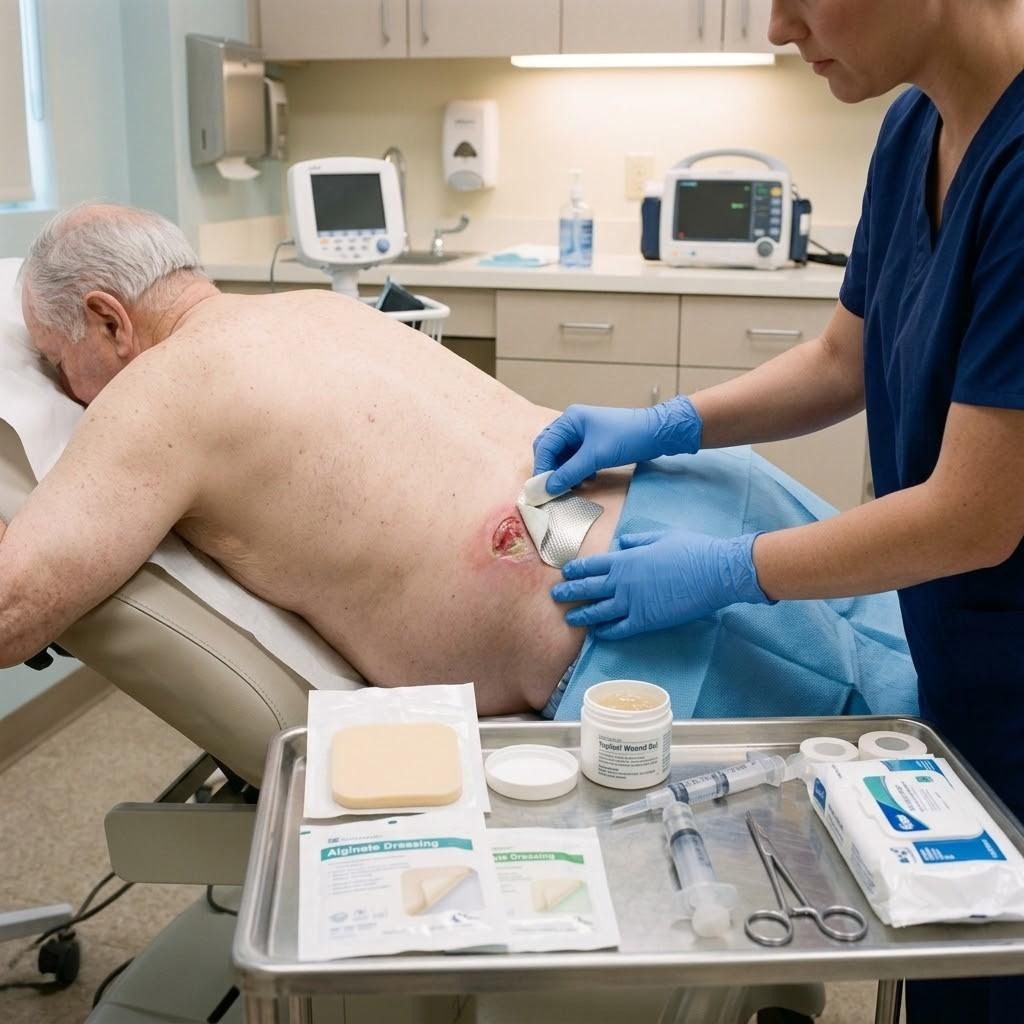
Non-Healing Wound Treatment in Malegaon for Chronic Wound Care
A wound that remains open for longer than expected, shows little improvement, or repeatedly breaks down may be considered a non-healing wound. Such wounds can occur on the feet, legs, heels, or other areas and may be associated with diabetes, circulation problems, infection, pressure, reduced sensation, or repeated injury.
Non-healing wound treatment in Malegaon focuses on identifying why the wound is not progressing normally and addressing factors that may be affecting recovery. Dr. Dayanand L.M. can assess the wound, surrounding tissue, circulation, pressure, and other relevant factors before recommending an appropriate wound-care and follow-up plan.
What Is a Non-Healing Wound?
Most minor wounds gradually progress through stages of healing. A non-healing wound does not show expected improvement or remains open despite routine care.
It may include:
- Persistent foot wounds
- Leg ulcers
- Diabetic wounds
- Pressure-related wounds
- Non-healing surgical wounds
- Recurrent skin breakdown
- Wounds following injury
Why Do Some Wounds Fail to Heal?
Several factors can interfere with normal wound healing.
Diabetes
Diabetes can affect sensation, circulation, and tissue repair. A small wound may also remain unnoticed when sensation is reduced.
Reduced Blood Circulation
Adequate blood flow supplies oxygen and nutrients required for tissue repair. Reduced circulation can contribute to delayed healing.
Infection
An infected wound may show delayed healing, increased discharge, redness, swelling, or other changes.
Repeated Pressure
Pressure from walking, footwear, prolonged sitting, or lying in one position can repeatedly damage vulnerable tissue.
Reduced Sensation
Reduced sensation can make injuries, pressure, or friction difficult to notice.
Swelling
Persistent swelling, particularly around the lower leg, can affect skin condition and wound recovery.
Repeated Trauma
A wound may continue to break down when the same area is repeatedly exposed to friction, pressure, or injury.
Common Signs of a Non-Healing Wound
A wound may need further assessment when it:
- Remains open for an extended period
- Shows little change in size
- Repeatedly reopens
- Becomes deeper
- Produces persistent discharge
- Develops surrounding redness
- Shows swelling
- Changes colour
- Develops an unpleasant odour
- Has increasing tenderness
- Does not respond as expected to routine care
Pain may not always be present, particularly when sensation is reduced.
Finding the Underlying Cause
A non-healing wound may have several contributing factors. Identifying these factors is an important part of management.
For example:
- Diabetes may affect sensation and tissue repair.
- Poor circulation may reduce oxygen delivery to the wound.
- Pressure can repeatedly damage the same area.
- Infection can interfere with tissue recovery.
- Reduced sensation can allow unnoticed trauma to continue.
- Swelling may affect the surrounding skin and healing environment.
Addressing the underlying problem can be as important as caring for the wound itself.
When Should a Non-Healing Wound Be Evaluated?
A wound should be assessed when:
- It remains open despite routine care
- There is little improvement
- The wound becomes larger or deeper
- It repeatedly reopens
- Discharge persists
- Redness or swelling increases
- The surrounding skin changes
- Infection is suspected
- An unpleasant odour develops
- Fever occurs
Early assessment can help identify factors that may be delaying recovery.
Frequently Asked Questions
Non-Healing Wound Care in Malegaon
Managing a persistent wound involves looking beyond the wound surface. Diabetes, circulation, infection, pressure, sensation, swelling, repeated trauma, and other factors can influence healing.
For individuals seeking non-healing wound treatment in Malegaon, Dr. Dayanand L.M. can assess the wound, identify factors that may be affecting recovery, and recommend an appropriate wound-care and follow-up approach based on the clinical findings.