Non-Healing Wound Treatment in Jalgaon
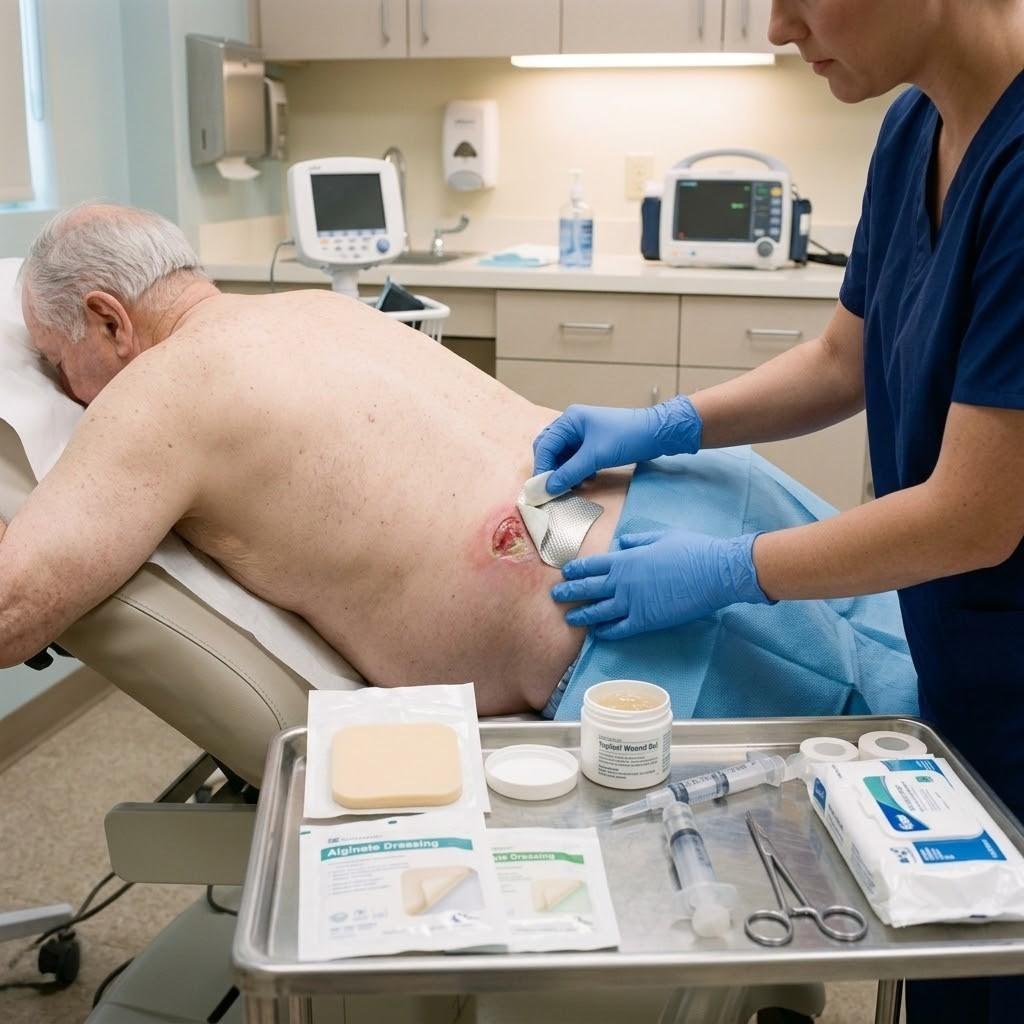
Non-Healing Wound Treatment in Jalgaon for Delayed Wounds
A wound normally progresses through several stages as the body repairs damaged tissue. When a wound remains open, repeatedly breaks down, or shows little improvement, it may require further evaluation to understand why healing is delayed.
Non-healing wound treatment in Jalgaon focuses on assessing the wound, identifying factors that may interfere with healing, and planning appropriate wound care based on the clinical condition. Dr. Dayanand L.M. can evaluate persistent wounds and recommend a suitable management and follow-up approach.
What Is a Non-Healing Wound?
A non-healing wound is an injury that does not improve within the expected period or repeatedly reopens after appearing to heal.
It may occur on:
- Feet
- Lower legs
- Ankles
- Heels
- Pressure-prone areas
- Other parts of the body
The appearance and cause of a non-healing wound can vary from person to person.
Why Might a Wound Not Heal?
Several factors can interfere with normal healing.
Diabetes
Diabetes can affect sensation, circulation, and tissue repair, potentially contributing to delayed wound healing.
Reduced Blood Flow
Adequate circulation is important for delivering oxygen and nutrients to damaged tissue. Reduced blood flow can affect the healing process.
Infection
An infected wound may show changes such as increasing redness, swelling, warmth, discharge, or odour and may not progress normally.
Repeated Pressure or Friction
Continuous pressure or repeated rubbing can cause further tissue damage and prevent a wound from improving.
Reduced Sensation
When sensation is reduced, a person may not notice repeated pressure, friction, or a new injury.
Nutritional Factors
Adequate nutrition supports tissue repair. Poor nutritional intake may contribute to delayed recovery.
Common Signs of a Non-Healing Wound
A wound may need further evaluation when it:
- Remains open
- Shows little improvement
- Repeatedly reopens
- Becomes larger
- Becomes deeper
- Produces persistent discharge
- Develops redness or swelling
- Changes colour
- Develops an unusual odour
Pain may not always occur when sensation is reduced.
Wound Dressing and Protection
The appropriate dressing depends on the wound's depth, tissue condition, discharge, and surrounding skin.
Regular assessment can help determine whether the dressing remains suitable as the wound progresses.
Protecting the wound from unnecessary pressure, friction, contamination, and repeated injury can also be important.
Non-Healing Wounds and Diabetes
People with diabetes may be more likely to experience delayed wound healing because diabetes can affect sensation, circulation, and tissue repair.
A small wound may go unnoticed when sensation is reduced. Regular inspection of the feet and skin can help identify injuries at an earlier stage.
Blood glucose management should continue according to the individual's prescribed medical plan.
When Should a Non-Healing Wound Be Evaluated?
Medical assessment is advisable when a wound:
- Remains open longer than expected
- Does not show improvement
- Repeatedly reopens
- Becomes larger or deeper
- Produces persistent discharge
- Develops redness or swelling
- Changes colour
- Develops an unusual odour
- Is associated with fever
Evaluation can help identify the reason for delayed healing.
Frequently Asked Questions
Non-Healing Wound Care in Jalgaon
A wound that does not heal as expected may have one or more contributing factors. Identifying the underlying cause, protecting the affected area, providing appropriate wound care, and monitoring progress are important parts of management.
For individuals looking for non-healing wound treatment in Jalgaon, Dr. Dayanand L.M. can assess the wound and recommend an appropriate care and follow-up plan based on its clinical condition.