Leg Ulcer Treatment in Nandurbar
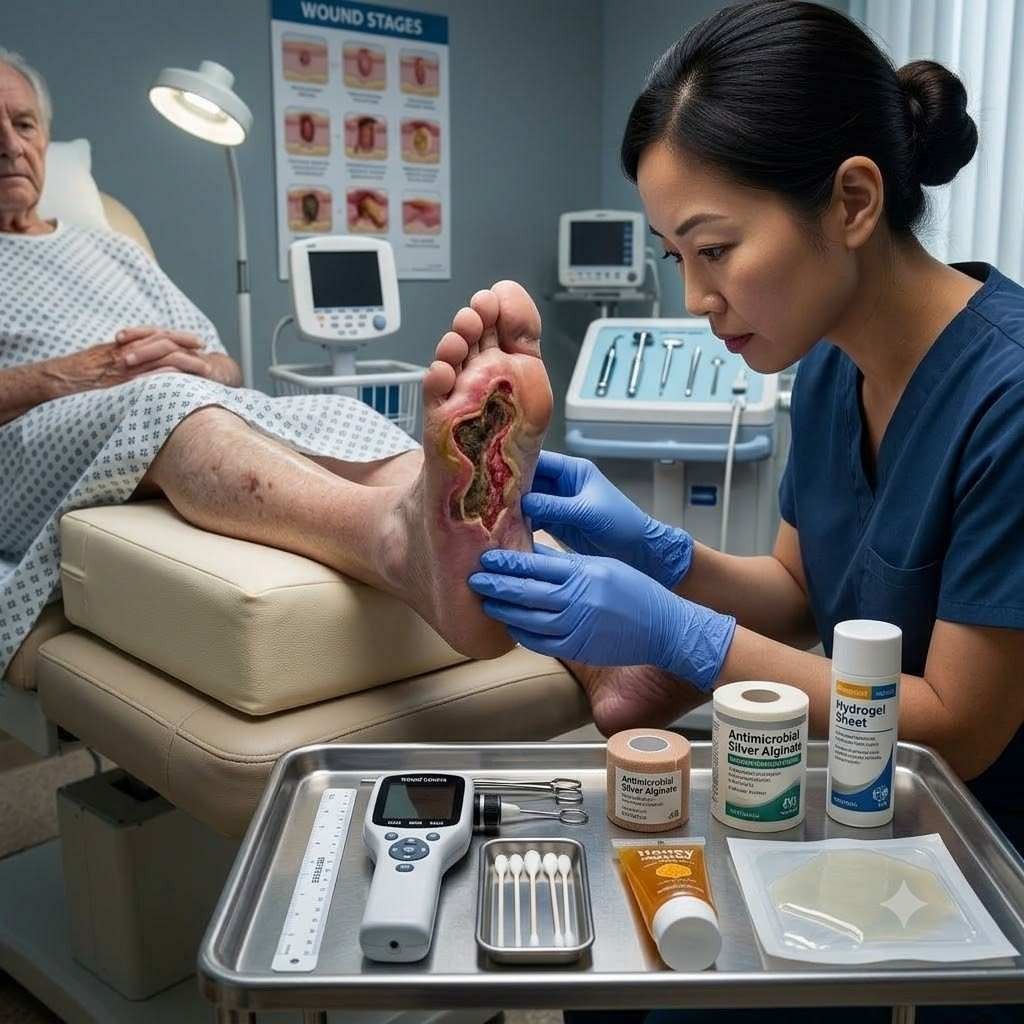
Leg Ulcer Treatment in Nandurbar for Persistent Leg Wounds
A leg ulcer is an open wound that develops on the lower leg or around the ankle and may take longer than expected to heal. Different factors can contribute to a leg ulcer, including circulation problems, diabetes, prolonged swelling, pressure, injury, and infection.
Leg ulcer treatment in Nandurbar focuses on identifying the underlying cause of the ulcer and assessing the wound's condition. Dr. Dayanand L.M. can evaluate the ulcer, examine the surrounding skin, assess circulation-related factors, and recommend an appropriate wound-care and follow-up plan.
What Is a Leg Ulcer?
A leg ulcer is a break in the skin that does not heal within the expected period. It can occur on different parts of the lower leg, ankle, or nearby areas.
Leg ulcers may vary in:
- Size
- Depth
- Appearance
- Amount of discharge
- Surrounding skin changes
- Healing time
Understanding the cause is important because different types of ulcers require different approaches.
What Can Cause a Leg Ulcer?
Several conditions and factors can contribute to ulcer formation.
Venous Circulation Problems
Problems with blood returning from the legs can cause swelling, skin changes, and eventually ulceration, particularly around the lower leg and ankle.
Arterial Circulation Problems
Reduced arterial blood flow can affect oxygen delivery to the tissues and may interfere with wound healing.
Diabetes
Diabetes can affect sensation, circulation, and tissue repair, increasing the risk of persistent wounds.
Injury
A cut, scrape, or other injury may become a chronic ulcer when healing is delayed.
Swelling
Long-standing leg swelling can affect skin health and may contribute to wound formation.
Pressure or Repeated Trauma
Continuous pressure or repeated injury to the same area can prevent an existing wound from healing.
Common Signs of a Leg Ulcer
A leg ulcer may appear as:
- An open sore
- A wound that does not close
- Redness around the wound
- Swelling
- Skin colour changes
- Thickened or dry skin
- Discharge
- Changes in wound depth
- Pain or tenderness
The symptoms depend partly on the underlying cause.
Managing Leg Swelling
Swelling may contribute to skin problems and can affect wound healing.
Depending on the cause, management may involve:
- Leg positioning
- Movement where appropriate
- Treatment of the underlying condition
- Compression when clinically suitable
- Skin protection
- Regular monitoring
The appropriate approach depends on the individual's circulation and overall health.
Supporting Leg Ulcer Healing
Management may include addressing factors that influence tissue repair.
- Appropriate wound dressing
- Infection assessment
- Pressure reduction
- Management of swelling
- Circulation evaluation
- Diabetes management
- Appropriate nutrition
- Skin protection
- Regular follow-up
The specific approach should be tailored to the ulcer's cause and condition.
Frequently Asked Questions
Leg Ulcer Care in Nandurbar
A leg ulcer requires more than surface wound care. Identifying whether circulation problems, swelling, diabetes, pressure, infection, or another factor is contributing to the ulcer can help guide appropriate management.
For individuals seeking leg ulcer treatment in Nandurbar, Dr. Dayanand L.M. can evaluate the ulcer, assess relevant circulation and wound-related factors, and recommend a suitable care and follow-up plan based on the clinical condition.