Leg Ulcer Treatment in Malegaon
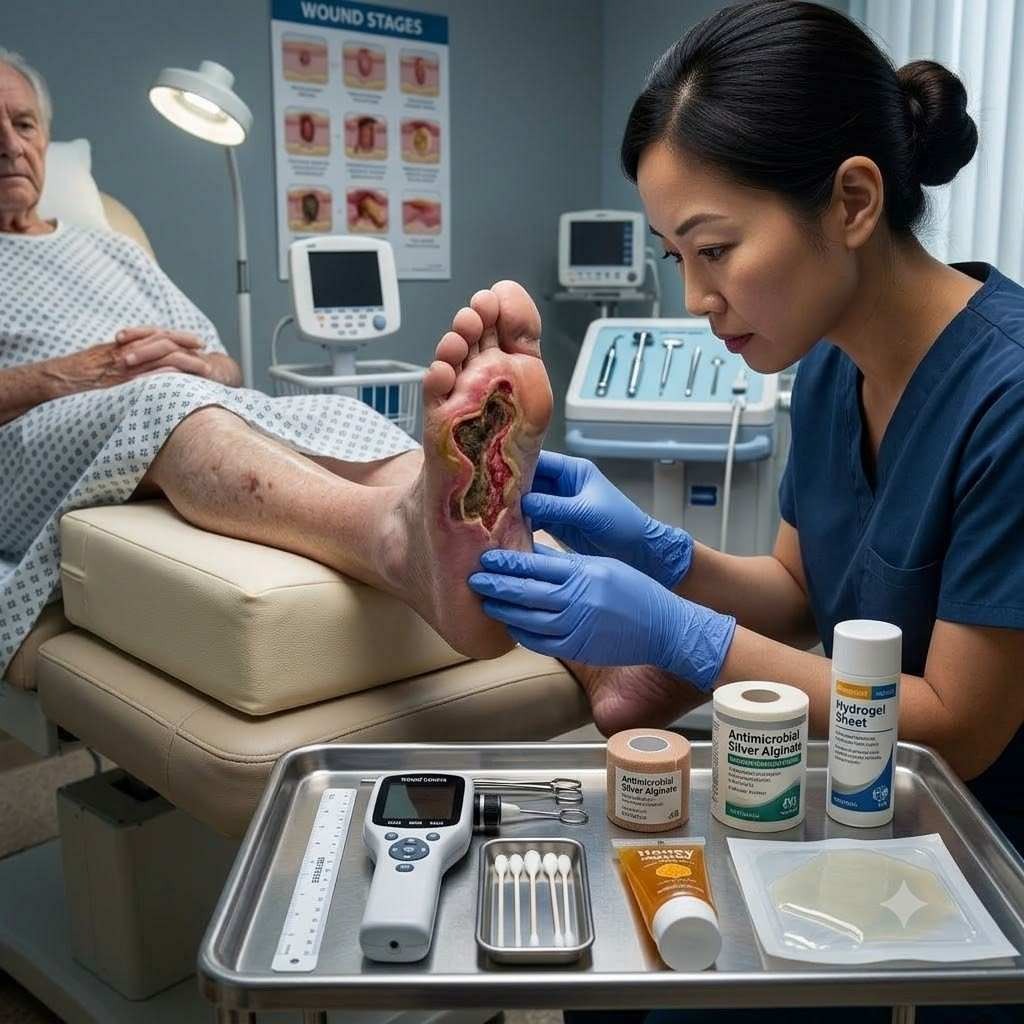
Leg Ulcer Treatment in Malegaon for Chronic Leg Wounds
A leg ulcer is an open wound that develops on the lower leg or around the ankle and does not heal within the expected period. Leg ulcers can have different causes, including problems with veins, reduced arterial blood flow, diabetes, swelling, pressure, injury, or infection.
Leg ulcer treatment in Malegaon focuses on identifying the reason behind the ulcer, assessing the wound and surrounding skin, and addressing factors that may be delaying healing. Dr. Dayanand L.M. can evaluate the ulcer and recommend an appropriate wound-care and follow-up plan based on the clinical findings.
What Is a Leg Ulcer?
A leg ulcer is a persistent break in the skin, commonly found on the lower leg or near the ankle. It may start as a small area of skin damage and gradually become larger or deeper if the underlying cause is not addressed.
Leg ulcers may be associated with:
- Venous circulation problems
- Reduced arterial blood flow
- Diabetes
- Leg swelling
- Pressure
- Injury
- Infection
- Repeated skin damage
The appearance and management of the ulcer can vary according to its cause.
Common Causes of Leg Ulcers
Venous Problems
When the veins have difficulty returning blood from the legs, increased pressure within the veins can contribute to skin changes, swelling, and ulcer formation.
Possible associated signs include:
- Leg swelling
- Skin discolouration
- Dry or irritated skin
- Varicose veins
- An ulcer around the ankle or lower leg
Arterial Circulation Problems
Reduced arterial blood flow can affect oxygen delivery to tissues and may interfere with wound healing.
Possible signs can include:
- Cool skin
- Pale or unusual skin colour
- Reduced pulses
- Foot or leg discomfort
- Slow-healing wounds
Further vascular assessment may be required when arterial circulation problems are suspected.
Diabetes
Diabetes can affect sensation, circulation, and tissue repair. A small injury to the foot or leg may therefore develop into a persistent wound.
Swelling
Persistent swelling can affect skin health and may contribute to delayed healing, particularly when associated with venous circulation problems.
Injury
Cuts, scratches, burns, or other injuries can sometimes develop into chronic ulcers when healing is delayed.
Signs of a Leg Ulcer
A leg ulcer may appear as:
- An open area of skin
- A shallow or deep wound
- Discharge
- Redness around the wound
- Swelling
- Skin discolouration
- Thickened or dry skin
- Changes in skin texture
- Persistent tenderness
The wound may gradually increase in size if its underlying cause is not managed.
Managing Leg Swelling
Swelling can be an important factor in some types of leg ulcers.
Assessment may consider:
- Where the swelling occurs
- Whether it changes during the day
- Skin condition
- Associated venous symptoms
- Possible circulation problems
Management of swelling should be based on the underlying cause. Compression-based treatment, for example, is not suitable for every patient and may require circulation assessment first.
Frequently Asked Questions
Leg Ulcer Care in Malegaon
Leg ulcer management requires attention to both the wound and the reason it developed. Venous problems, arterial circulation, diabetes, swelling, pressure, infection, and injury can all influence healing.
For individuals seeking leg ulcer treatment in Malegaon, Dr. Dayanand L.M. can assess the ulcer, evaluate the surrounding tissue and relevant circulation factors, identify possible barriers to healing, and recommend an appropriate wound-care and follow-up approach based on the clinical findings.