Leg Ulcer Treatment in Jalgaon
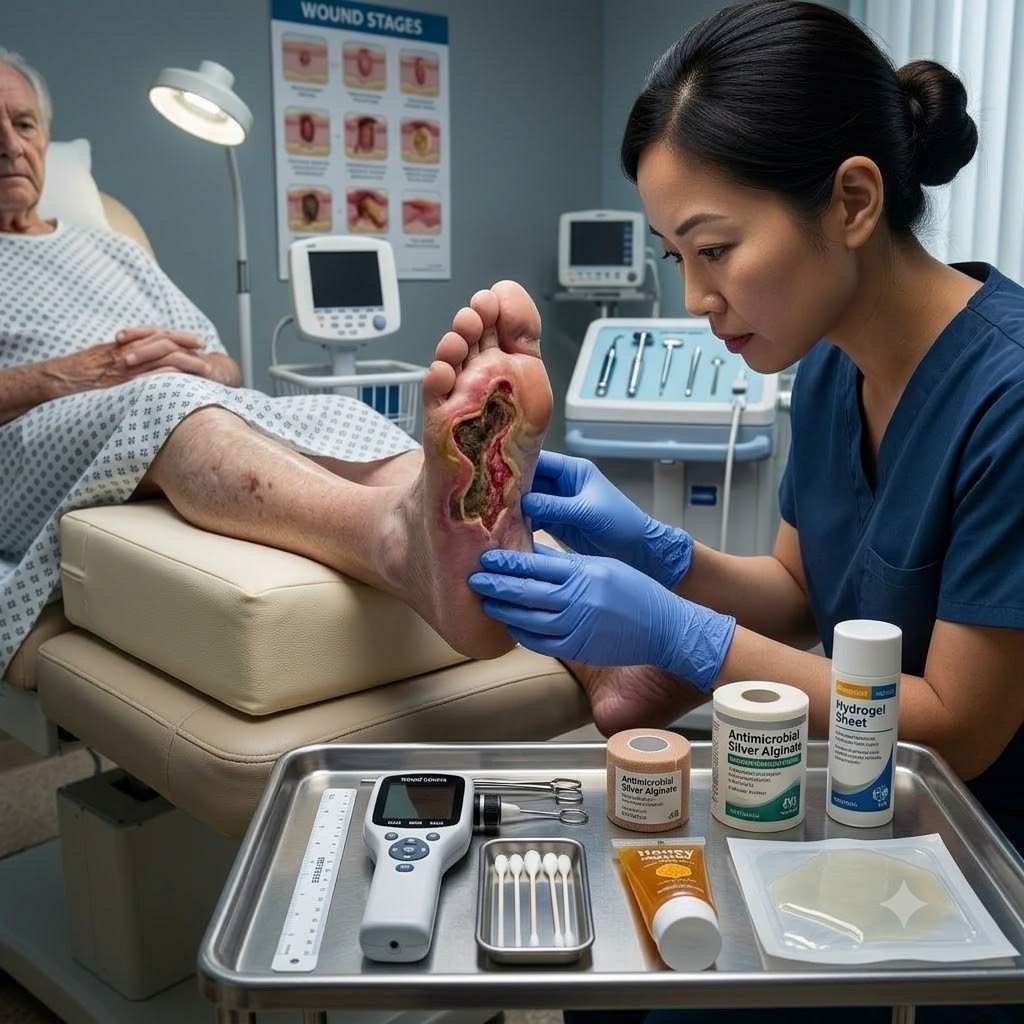
Leg Ulcer Treatment in Jalgaon for Chronic Leg Wounds
A leg ulcer is an open wound that develops on the lower leg or around the ankle and may take longer than expected to heal. Leg ulcers can have different causes, including circulation problems, venous changes, diabetes, pressure, infection, or repeated injury.
Leg ulcer treatment in Jalgaon involves examining the ulcer, understanding its possible cause, assessing the surrounding skin and circulation, and planning wound care according to the clinical findings. Dr. Dayanand L.M. can evaluate a leg ulcer and recommend an appropriate management and follow-up plan.
What Is a Leg Ulcer?
A leg ulcer is a break in the skin that does not heal normally. It commonly occurs around the lower leg or ankle and can vary in size, depth, appearance, and discharge.
A leg ulcer may develop gradually or follow a minor injury that does not heal as expected.
Common features can include:
- An open wound
- Persistent skin changes
- Swelling around the affected area
- Discharge
- Changes in skin colour
- Thickened or dry skin
- Recurrent breakdown
- Delayed healing
What Can Cause Leg Ulcers?
Leg ulcers can have different underlying causes, so identifying the cause is an important part of assessment.
Venous Problems
Changes in the veins of the legs can affect the return of blood toward the heart and may contribute to swelling and skin changes around the lower leg.
Arterial Circulation Problems
Reduced arterial blood flow can affect the supply of oxygen and nutrients to tissues and may interfere with wound healing.
Diabetes
Diabetes can affect sensation, circulation, and tissue repair, potentially contributing to the development or delayed healing of a leg ulcer.
Injury
A minor cut, abrasion, or other injury may sometimes develop into a persistent wound when healing is affected by an underlying condition.
Pressure or Repeated Trauma
Repeated pressure or friction can damage the skin and contribute to ulcer formation or delayed recovery.
Signs of a Leg Ulcer
A leg ulcer may present with:
- An open sore
- Persistent redness or discolouration
- Swelling
- Discharge
- Changes in surrounding skin
- Dry or flaky skin
- Increasing wound size
- Delayed healing
- Unpleasant odour
The appearance of an ulcer can vary depending on its underlying cause.
How Is a Leg Ulcer Assessed?
A detailed assessment helps determine the condition of the ulcer and identify factors affecting healing.
The evaluation may include:
- Ulcer location
- Length and width
- Depth
- Wound-bed condition
- Surrounding skin
- Swelling
- Discharge
- Signs of infection
- Blood circulation
- Sensation
- Mobility
- Diabetes status when relevant
- History of previous ulcers
- Other medical conditions
Further investigations may be advised when clinically appropriate.
Leg Ulcers and Circulation
Circulation may be considered when a leg ulcer is slow to heal or when there are changes in skin temperature, colour, or other clinical findings.
Depending on the assessment, further evaluation may be recommended to understand whether blood-flow problems are contributing to delayed healing.
Leg Ulcers and Diabetes
People with diabetes may experience delayed wound healing due to changes in sensation, circulation, and tissue repair.
Regular inspection of the legs and feet can help identify new wounds or skin changes.
Blood glucose management should continue according to the individual's prescribed medical plan.
Preventing Leg Ulcers and Recurrence
Depending on the underlying cause, preventive care may include:
- Checking the skin regularly
- Protecting the legs from injury
- Avoiding unnecessary friction
- Managing diabetes as advised
- Following recommended wound-care instructions
- Maintaining appropriate activity according to medical advice
- Addressing swelling or circulation concerns when identified
- Seeking medical assessment for persistent wounds
Preventive measures should be tailored to the individual's underlying condition.
Frequently Asked Questions
Leg Ulcer Care in Jalgaon
Leg ulcers can develop for different reasons, so their management begins with understanding the condition and possible underlying cause. Wound assessment, appropriate dressing care, attention to circulation, protection from further injury, and regular monitoring can form important parts of management.
For individuals looking for leg ulcer treatment in Jalgaon, Dr. Dayanand L.M. can assess the ulcer and recommend an appropriate care and follow-up plan based on its clinical condition.