Leg Ulcer Treatment in Dhule
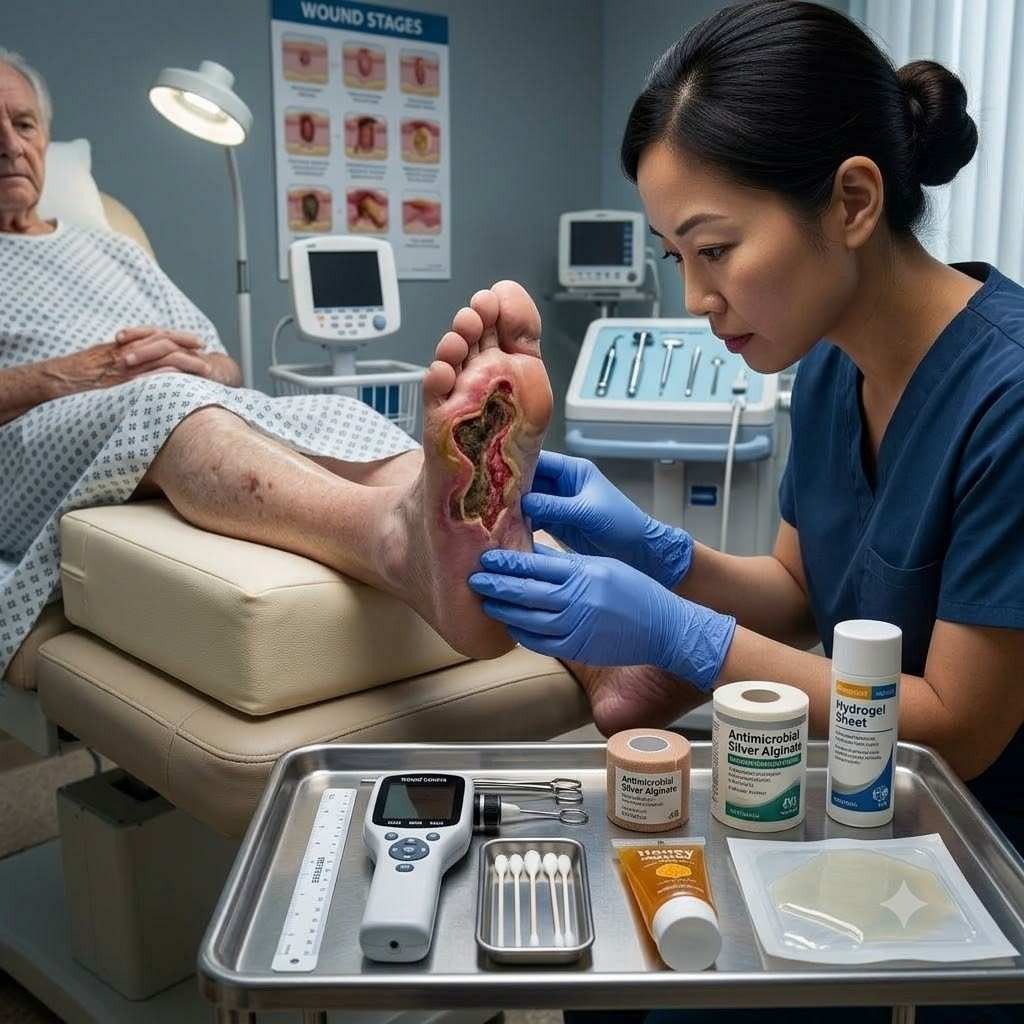
Leg Ulcer Treatment in Dhule for Non-Healing Wounds
Leg ulcers are open wounds that develop on the skin of the leg and may take longer than usual to heal. They can occur due to problems with blood circulation, repeated pressure, injury, infection, swelling, or certain underlying health conditions. Early assessment can help identify the factors affecting the wound and guide appropriate care.
For individuals looking for leg ulcer treatment in Dhule, understanding the cause of the ulcer is an important part of wound management. Treatment may vary depending on the location, depth, duration, and condition of the wound.
What Is a Leg Ulcer?
A leg ulcer is a break in the skin that does not heal within the expected period. It may develop on the lower leg, ankle, foot, or other areas of the leg. Some ulcers may remain small, while others can gradually become deeper or larger if the underlying cause is not addressed.
Common signs may include:
- An open or slow-healing wound
- Pain or tenderness around the affected area
- Swelling of the leg
- Redness or changes in skin colour
- Fluid or discharge from the wound
- Changes in the surrounding skin
- Slow or incomplete healing
Not every ulcer causes significant pain. Reduced sensation can sometimes make a wound less noticeable, particularly when nerve function is affected.
Common Causes of Leg Ulcers
Leg ulcers can develop due to a range of underlying factors. These may include:
Poor Blood Circulation
Changes in blood flow can affect the supply of oxygen and nutrients needed for tissue repair. Venous circulation problems may also cause swelling and changes in the skin around the lower leg.
Diabetes
Diabetes can affect nerves and circulation, increasing the risk of unnoticed injuries and delayed wound healing. A small wound may become more difficult to manage if it is not identified early.
Injury or Trauma
Cuts, abrasions, burns, or other injuries may sometimes develop into ulcers, particularly when healing is affected by an underlying condition.
Pressure and Friction
Repeated pressure or friction on a specific area can damage the skin and underlying tissues. Areas with limited soft tissue over bone may be particularly vulnerable.
Infection
An existing wound can become infected, which may interfere with normal healing. Increasing redness, warmth, swelling, discharge, or other changes should be assessed promptly.
Symptoms That May Require Assessment
A leg wound should not be ignored simply because it causes little discomfort. Consider medical assessment when a wound:
- Does not show signs of healing
- Becomes larger or deeper
- Develops increasing redness or swelling
- Produces unusual discharge or odour
- Is associated with changes in skin colour
- Causes increasing pain
- Occurs in a person with diabetes or circulation problems
Early evaluation can help determine whether the wound is related to circulation, nerve function, infection, pressure, or another underlying factor.
How Are Leg Ulcers Evaluated?
Assessment generally begins with a medical history and examination of the wound. The healthcare professional may consider:
- Location and size of the ulcer
- Depth and appearance of the wound
- Condition of the surrounding skin
- Presence of swelling or discharge
- Sensation in the affected area
- Blood circulation
- Existing health conditions
- Previous wound-care history
Leg Ulcer Treatment in Dhule
The approach to leg ulcer treatment in Dhule depends on the cause and individual wound characteristics. Management may involve cleaning and protecting the wound, selecting an appropriate dressing, addressing infection when present, and treating contributing health conditions.
For ulcers associated with circulation problems, management may focus on the underlying vascular issue. When diabetes or reduced sensation contributes to the wound, blood glucose management, foot and leg protection, and regular monitoring may form part of the care plan.
Dressings are not the same for every wound. The choice may depend on factors such as wound depth, drainage, tissue condition, and the surrounding skin.
Preventing Leg Ulcers
Prevention depends on the underlying cause. General measures may include protecting the skin from injury, maintaining good hygiene, checking the legs and feet regularly, avoiding prolonged pressure, and managing conditions that can affect circulation or sensation.
People with reduced sensation may need to pay particular attention to minor cuts, blisters, pressure areas, and changes in skin colour because these problems may not always cause noticeable pain.