Leg Ulcer Treatment in Ahmednagar
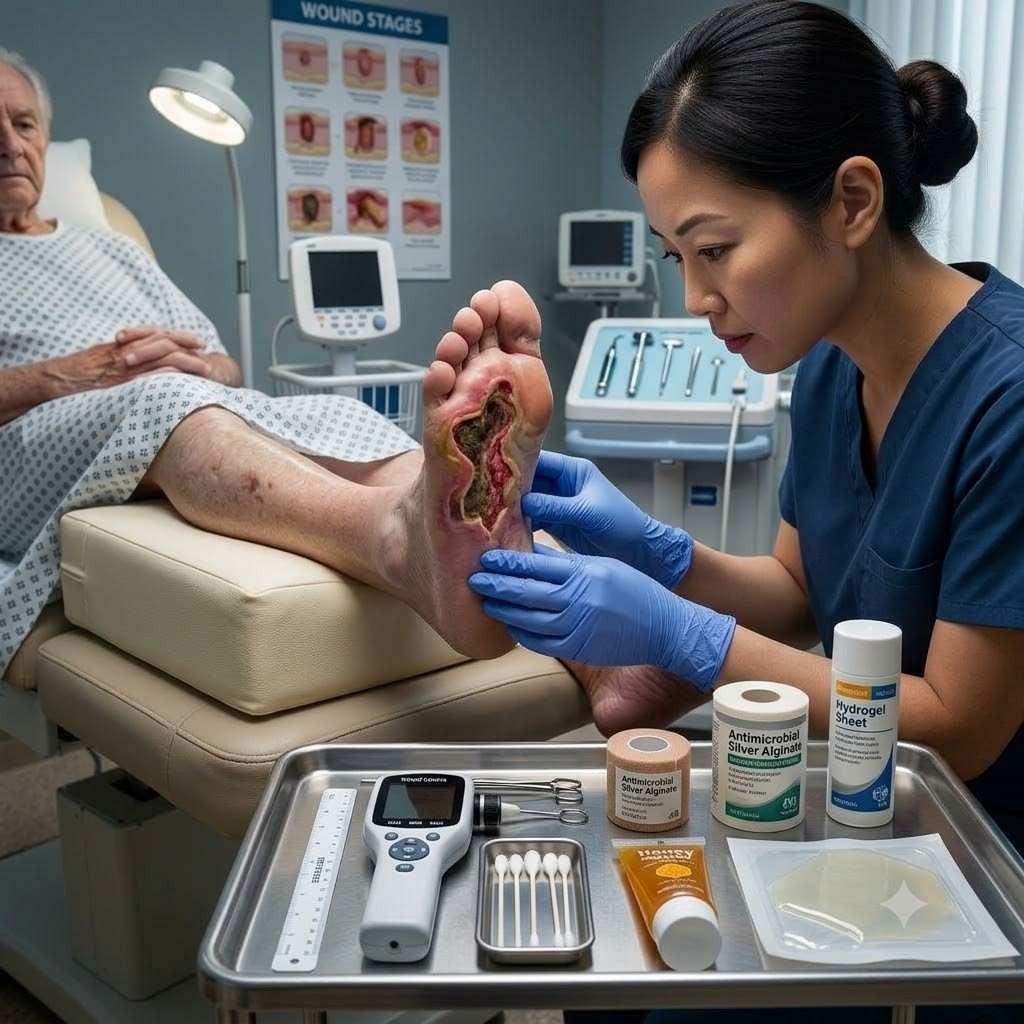
Leg Ulcer Treatment in Ahmednagar for Persistent Leg Wounds
A leg ulcer is an open area on the skin of the lower leg or ankle that may take longer than expected to heal. Leg ulcers can develop due to problems with veins, arteries, diabetes, pressure, injury, infection, or other conditions affecting the skin and underlying tissues.
Leg ulcer treatment in Ahmednagar begins with identifying the possible cause of the ulcer and assessing its size, depth, surrounding skin, circulation, and signs of infection. Dr. Dayanand L.M. can evaluate persistent leg ulcers and recommend an appropriate care and follow-up plan based on the clinical findings.
What Is a Leg Ulcer?
A leg ulcer is a break in the skin that remains open and does not heal normally. It commonly occurs around the lower leg or ankle.
A leg ulcer may appear as:
- An open sore
- A shallow or deep wound
- A moist or dry wound
- A wound with discharge
- A wound surrounded by skin changes
- A sore that repeatedly reopens
The appearance of an ulcer can vary depending on its underlying cause.
What Can Cause a Leg Ulcer?
Leg ulcers may have different causes, and identifying the cause is an important part of management.
Venous Problems
Changes in the function of leg veins can contribute to swelling and skin changes around the lower leg and ankle, sometimes leading to ulcer formation.
Arterial Circulation Problems
Reduced arterial blood flow can affect the oxygen supply to tissues and may interfere with wound healing.
Diabetes
Diabetes can affect sensation, circulation, and tissue repair, increasing the risk of wounds that heal slowly.
Injury
A cut, abrasion, or other injury may develop into a persistent ulcer when normal healing is affected.
Pressure
Repeated pressure on a particular area can contribute to tissue breakdown, especially in people with limited mobility.
Infection
An existing wound can become infected, which may interfere with normal healing.
Signs of a Leg Ulcer
A leg ulcer may be associated with:
- An open wound
- Persistent skin changes
- Swelling around the affected area
- Discharge
- Redness
- Changes in skin colour
- Dry or damaged surrounding skin
- Local tenderness
- Slow wound progression
The symptoms may vary according to the underlying cause.
Why Identifying the Cause Matters
A leg ulcer may not heal properly if the underlying problem remains untreated.
For example:
- Venous problems may contribute to swelling and skin changes.
- Arterial circulation problems may affect tissue oxygenation.
- Diabetes may affect sensation and tissue repair.
- Repeated pressure may cause continued tissue injury.
- Infection may interfere with wound recovery.
For this reason, assessment of the cause is an important part of leg ulcer care.
Managing Swelling
Some leg ulcers are associated with swelling of the lower leg.
The cause and severity of swelling need to be assessed before selecting an appropriate management approach. Compression-based treatment, for example, is not suitable for every type of leg ulcer and may require assessment of arterial circulation first.
Leg Ulcers and Diabetes
People with diabetes may require closer monitoring of leg wounds because diabetes can influence sensation, circulation, and tissue repair.
Reduced sensation may make it difficult to notice a new wound or repeated pressure.
Diabetes management should continue according to the individual's prescribed treatment plan.
When Should a Leg Ulcer Be Evaluated?
Medical assessment is advisable when:
- A leg wound remains open
- The ulcer does not show expected improvement
- The wound becomes larger or deeper
- Persistent discharge develops
- Swelling increases
- The surrounding skin changes
- The wound repeatedly reopens
- Infection is suspected
- Fever develops
Early assessment can help identify factors that may be affecting healing.
Frequently Asked Questions
Leg Ulcer Care in Ahmednagar
Leg ulcers can develop from different underlying conditions, so treatment should begin with identifying the factors affecting the wound. Assessment of circulation, swelling, wound depth, infection, diabetes, and surrounding skin can help guide appropriate care.
For individuals seeking leg ulcer treatment in Ahmednagar, Dr. Dayanand L.M. can assess the ulcer, identify possible factors affecting healing, and recommend a suitable wound-care and follow-up plan according to the clinical findings.