Foot Ulcer Treatment in Nandurbar
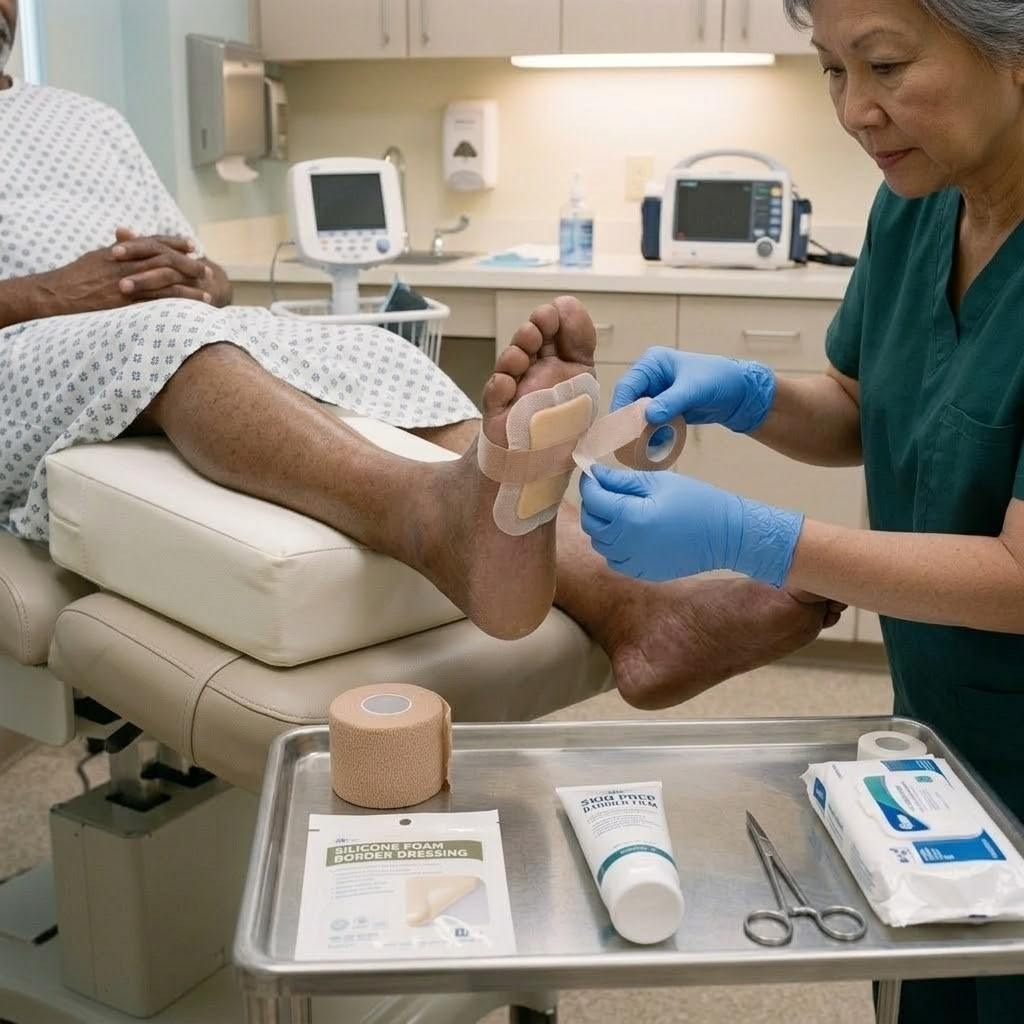
Foot Ulcer Treatment in Nandurbar for Persistent Foot Wounds
A foot ulcer is an open wound that can develop on the sole, heel, toes, or other pressure-prone areas of the foot. Diabetes, repeated pressure, reduced sensation, circulation problems, footwear-related friction, and previous injuries can contribute to ulcer formation.
Foot ulcer treatment in Nandurbar begins with understanding the condition of the ulcer and the factors affecting its healing. Dr. Dayanand L.M. can assess the wound, examine the surrounding tissue, evaluate pressure and circulation-related factors, and recommend an appropriate care and follow-up plan.
What Is a Foot Ulcer?
A foot ulcer is a break in the skin that remains open or heals slowly. It can develop after a minor injury, blister, callus, pressure point, or other form of tissue damage.
Common locations include:
- Sole of the foot
- Heel
- Toes
- Ball of the foot
- Sides of the foot
- Areas exposed to footwear pressure
The size and depth of an ulcer can vary considerably.
What Can Cause a Foot Ulcer?
Foot ulcers can develop for different reasons.
Repeated Pressure
Walking, standing, tight footwear, or uneven pressure distribution can repeatedly stress a particular area.
Reduced Sensation
Reduced sensation can make it difficult to notice pain, friction, heat, or a small injury.
Diabetes
Diabetes may affect sensation, circulation, and tissue repair, increasing the risk of persistent foot wounds.
Circulation Problems
Reduced blood flow may affect the delivery of oxygen and nutrients needed for tissue repair.
Footwear-Related Friction
Poorly fitting footwear can cause rubbing, pressure, blisters, and skin breakdown.
Minor Injury
A cut, puncture, blister, or crack may become a persistent wound when healing is delayed.
Signs of a Foot Ulcer
A foot ulcer may appear as:
- An open sore
- A persistent break in the skin
- Redness around the wound
- Swelling
- Discharge
- Skin colour changes
- A wound that is not getting smaller
- Increasing wound depth
- Changes in the surrounding skin
Pain may not always be present, particularly when sensation is reduced.
Why Identifying the Cause Matters
An ulcer may continue to worsen if the factor causing repeated tissue damage is not addressed.
For example, continued pressure from footwear can prevent a wound from improving. Similarly, reduced sensation may allow repeated trauma to go unnoticed, while circulation problems can interfere with tissue repair.
The treatment plan should therefore address both the ulcer and relevant contributing factors.
Wound Dressing and Foot Ulcer Care
Dressing selection depends on the condition of the ulcer.
Factors that may be considered include:
- Wound depth
- Tissue condition
- Amount of discharge
- Wound location
- Surrounding skin
- Infection status
Wound care may involve cleaning, protecting the affected area, managing discharge, and reviewing the dressing as healing progresses.
Frequently Asked Questions
Foot Ulcer Care in Nandurbar
Foot ulcers require assessment of the wound as well as the factors that may be preventing healing. Wound condition, pressure, circulation, sensation, infection risk, footwear, and underlying health conditions can all influence management.
For individuals seeking foot ulcer treatment in Nandurbar, Dr. Dayanand L.M. can evaluate the ulcer and recommend a suitable wound-care, pressure-management, and follow-up plan according to the clinical findings.