Foot Ulcer Treatment in Ahmednagar
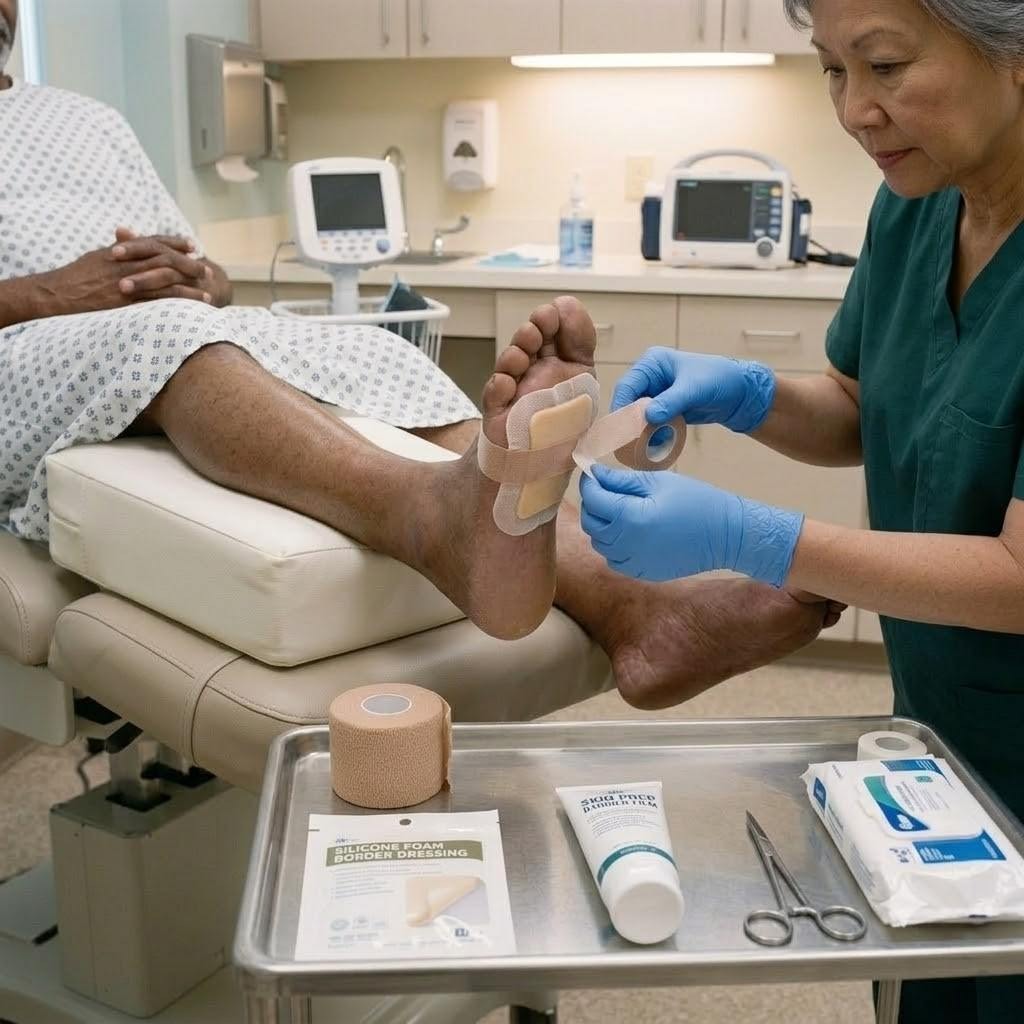
Foot Ulcer Treatment in Ahmednagar for Persistent Foot Wounds
A foot ulcer is an open wound that can develop on the toes, sole, heel, or other areas of the foot. It may occur following pressure, friction, minor trauma, diabetes-related changes, reduced sensation, or circulation problems.
Foot ulcer treatment in Ahmednagar involves evaluating the ulcer's location, depth, tissue condition, pressure exposure, circulation, and possible infection. The care plan is then selected according to the clinical findings.
What Is a Foot Ulcer?
A foot ulcer is a break in the skin that does not heal normally. It may start as a small cut, blister, callus, pressure area, or minor injury and can gradually become deeper if the underlying cause is not addressed.
Common locations include:
- Sole of the foot
- Heel
- Toes
- Ball of the foot
- Side of the foot
- Areas exposed to repeated pressure
What Can Cause a Foot Ulcer?
Foot ulcers can have several contributing factors.
Diabetes
Diabetes may affect sensation, circulation, and tissue repair, increasing the possibility of delayed wound healing.
Reduced Sensation
When sensation is reduced, pressure, friction, or minor injuries may go unnoticed.
Repeated Pressure
Continuous pressure from walking, standing, footwear, or a particular foot position can contribute to tissue breakdown.
Circulation Problems
Reduced blood flow can affect the supply of oxygen and nutrients needed for tissue repair.
Minor Injury
A small cut, blister, abrasion, or puncture can sometimes develop into an ulcer when healing is impaired.
Foot Deformities
Changes in foot structure can create areas of increased pressure and repeated friction.
How Is a Foot Ulcer Assessed?
A detailed examination can help determine the severity and possible cause of the ulcer.
Assessment may include:
- Ulcer location
- Length and width
- Depth
- Wound-bed appearance
- Surrounding skin
- Discharge
- Signs of infection
- Foot sensation
- Blood circulation
- Pressure points
- Foot structure
- Mobility
- Footwear
- Diabetes and other relevant conditions
Additional investigations may be recommended when clinically appropriate.
Foot Ulcers and Diabetes
People with diabetes may require closer monitoring of foot wounds because diabetes can affect sensation, circulation, and tissue repair.
Regular inspection can help identify:
- Cuts
- Blisters
- Cracks
- Calluses
- Pressure areas
- Skin colour changes
- Open wounds
Blood glucose management should continue according to the individual's prescribed medical plan.
Foot Ulcers and Circulation
Circulation may be assessed when an ulcer is slow to heal or when there are clinical signs suggesting reduced blood flow.
Depending on the findings, additional vascular assessment may be advised.
Signs of Infection
A foot ulcer requires prompt medical assessment if it develops:
- Increasing redness
- Swelling
- Local warmth
- Increasing pain
- Pus
- Increased discharge
- Unpleasant odour
- Rapid worsening
- Fever
- Feeling generally unwell
Antibiotics should not be self-prescribed.
Frequently Asked Questions
Foot Ulcer Care in Ahmednagar
Foot ulcers can develop from different causes, and their management depends on the condition of the wound and factors affecting healing. Ulcer assessment, pressure reduction, appropriate dressing care, infection monitoring, and regular follow-up can form important parts of management.
For individuals seeking foot ulcer treatment in Ahmednagar, clinical evaluation can help determine the underlying factors and an appropriate wound-care plan.