Diabetic Wound Specialist in Nandurbar
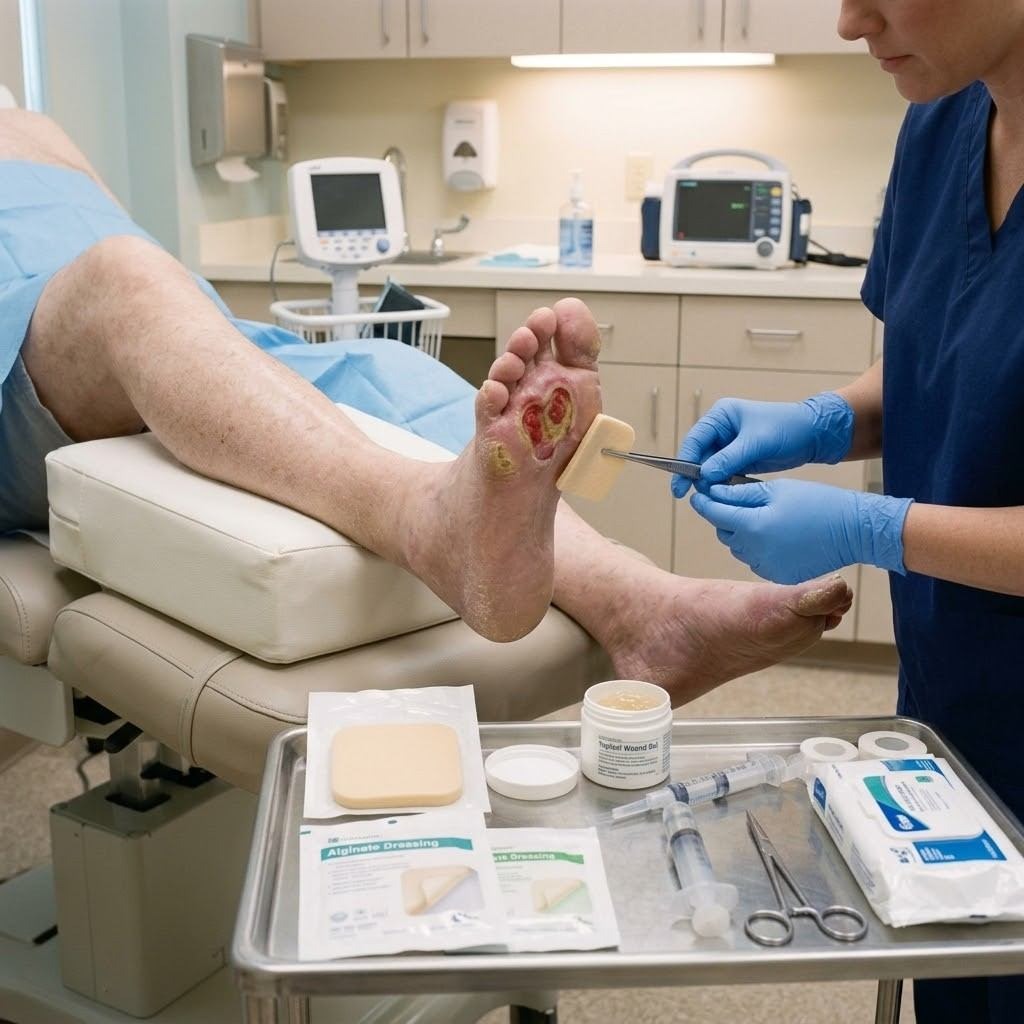
Diabetic Wound Specialist in Nandurbar for Persistent Wounds
Diabetes can affect the way the body responds to wounds. Changes in sensation, circulation and tissue repair may allow a small cut, blister or pressure injury to persist or worsen. A diabetic wound therefore needs attention to both the visible wound and the factors that may be delaying healing.
A diabetic wound specialist in Nandurbar can evaluate the wound, assess its severity and identify factors such as pressure, reduced sensation, circulation problems or infection that may influence recovery. Dr. Dayanand L.M. can assess diabetic wounds and recommend an appropriate wound-care and follow-up plan based on the clinical findings.
What Is a Diabetic Wound?
A diabetic wound is an injury that occurs in a person with diabetes and may take longer than expected to heal.
It can develop from:
- A small cut
- Blister
- Foot crack
- Callus
- Pressure point
- Minor trauma
- Footwear friction
- Existing foot ulcer
Some wounds may initially look small but can become more complicated if the underlying cause is not addressed.
Why Do Diabetic Wounds Need Special Attention?
Diabetes may affect several processes involved in wound healing.
Changes in Sensation
Nerve-related changes can reduce the ability to feel pain, pressure, heat or friction. As a result, an injury may remain unnoticed.
Circulation Changes
Reduced blood flow can affect the supply of oxygen and nutrients needed by damaged tissue.
Delayed Tissue Repair
Some people with diabetes may experience slower healing, particularly when other factors such as infection or poor circulation are present.
Repeated Pressure
Walking on an injured foot or wearing footwear that creates pressure can repeatedly disturb the wound.
Common Locations of Diabetic Wounds
Diabetic wounds are frequently seen around areas exposed to pressure or friction, including:
- Sole of the foot
- Heel
- Toes
- Ball of the foot
- Sides of the foot
- Ankles
- Lower leg
The location can provide useful information when determining possible contributing factors.
Early Signs to Watch For
Regular inspection can help identify changes such as:
- Small cuts
- Blisters
- Cracks
- Redness
- Swelling
- Calluses
- Skin discolouration
- Pressure marks
- Discharge
- Open areas
Pain may not always occur when sensation is reduced.
Understanding Why the Wound Is Not Healing
A diabetic wound may remain open because several factors are acting together.
For example:
- Pressure: Continued pressure can repeatedly damage the wound.
- Reduced sensation: The person may not realise that an area is being injured.
- Circulation: Reduced blood flow may affect tissue repair.
- Infection: Infection can interfere with healing and cause the wound to deteriorate.
- Footwear: Tight or poorly fitting footwear can create friction and pressure.
Finding these contributing factors is an important part of wound management.
Diabetes Management and Wound Healing
Managing diabetes remains an important part of overall wound care.
Blood glucose levels can influence several processes involved in tissue repair. Individuals should continue their prescribed diabetes treatment and follow their established medical plan.
Other factors such as nutrition, mobility, circulation and existing health conditions may also influence recovery.
Frequently Asked Questions
Diabetic Wound Care in Nandurbar
Diabetic wound management requires attention to more than the wound surface. Sensation, circulation, pressure, footwear, infection and diabetes-related factors can all influence the healing process.
For individuals looking for a diabetic wound specialist in Nandurbar, Dr. Dayanand L.M. can assess the wound and identify factors that may be affecting recovery. A suitable wound-care and follow-up approach can then be planned according to the clinical condition.