Diabetic Wound Specialist in Malegaon
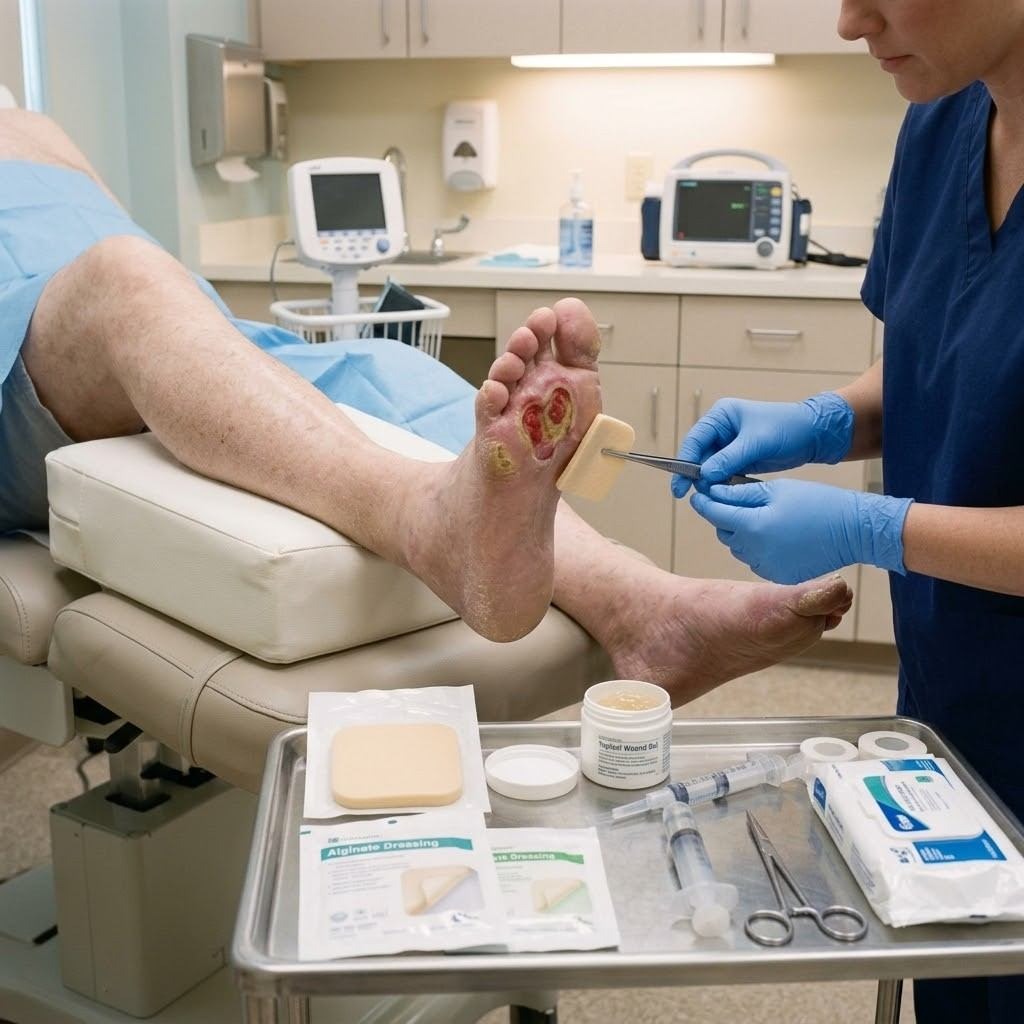
Diabetic Wound Specialist in Malegaon for Persistent Wound Care
A wound in a person with diabetes may need careful evaluation, especially when it remains open, repeatedly breaks down, or shows changes in the surrounding skin. Diabetes can affect sensation, circulation, and tissue repair, allowing a small injury to develop into a more persistent wound.
Diabetic wound specialist in Malegaon care focuses on understanding the condition of the wound and identifying factors that may be slowing healing. Dr. Dayanand L.M. can assess diabetic wounds, examine the surrounding tissue, and recommend an appropriate wound-care and follow-up plan based on the clinical findings.
What Is a Diabetic Wound?
A diabetic wound is an injury that occurs in a person with diabetes and may heal more slowly than expected.
It can begin with:
- A small cut
- Blister
- Foot crack
- Callus
- Pressure mark
- Minor burn
- Puncture wound
- Footwear-related friction
These injuries can occur on the toes, heel, sole, ankle, or lower leg.
Why Do Diabetic Wounds Need Careful Assessment?
Diabetes can influence several factors involved in wound healing.
Reduced Sensation
Nerve-related changes may reduce the ability to feel pain, pressure, heat, or friction. An injury can therefore remain unnoticed.
Circulation Changes
Reduced blood flow may affect the delivery of oxygen and nutrients required by damaged tissue.
Delayed Tissue Repair
Some people with diabetes may experience slower wound healing, particularly when infection, pressure, circulation problems, or other health factors are present.
Repeated Pressure
Walking on an injured foot or wearing footwear that creates pressure can repeatedly disturb the same wound.
Common Diabetic Wounds
Diabetic wounds may include:
- Diabetic foot ulcers
- Non-healing foot wounds
- Heel wounds
- Toe ulcers
- Pressure-related wounds
- Skin cracks
- Blisters that have become open wounds
- Lower-leg wounds
The cause and condition of each wound can be different.
Signs That a Diabetic Wound Needs Assessment
A diabetic wound should be evaluated if you notice:
- A wound that remains open
- Increasing redness
- Swelling
- Skin discolouration
- Persistent discharge
- An unpleasant odour
- Increasing wound size
- A deeper-looking wound
- Changes in surrounding skin
- A wound that repeatedly reopens
Pain may not always be present when sensation is reduced.
Understanding Why a Wound Is Not Healing
A persistent diabetic wound may have more than one contributing factor.
For example:
- Pressure: Continued pressure from walking or footwear can repeatedly damage tissue.
- Reduced sensation: An injury may continue unnoticed because the person cannot feel it properly.
- Circulation: Reduced blood flow can interfere with tissue repair.
- Infection: Infection may delay healing and cause the wound to deteriorate.
- Diabetes-related factors: Diabetes can affect several processes involved in normal wound recovery.
Finding the contributing factors is an important part of wound management.
When Should a Diabetic Wound Be Evaluated?
Medical assessment is advisable when:
- A wound remains open
- A wound is not improving
- The wound becomes larger or deeper
- Discharge develops
- Redness or swelling increases
- Skin colour changes
- An unpleasant odour develops
- Infection is suspected
- Fever occurs
- A new wound develops in an area with reduced sensation
A diabetic foot wound should not be ignored simply because it is painless.
Frequently Asked Questions
Diabetic Wound Care in Malegaon
Diabetic wound management involves looking beyond the visible wound. Sensation, circulation, pressure, infection, footwear, diabetes-related factors, and other health conditions can all influence healing.
For individuals looking for a diabetic wound specialist in Malegaon, Dr. Dayanand L.M. can assess the wound, identify factors that may be affecting recovery, and recommend an appropriate wound-care and follow-up approach based on the clinical findings.