Diabetic Wound Specialist in Jalgaon
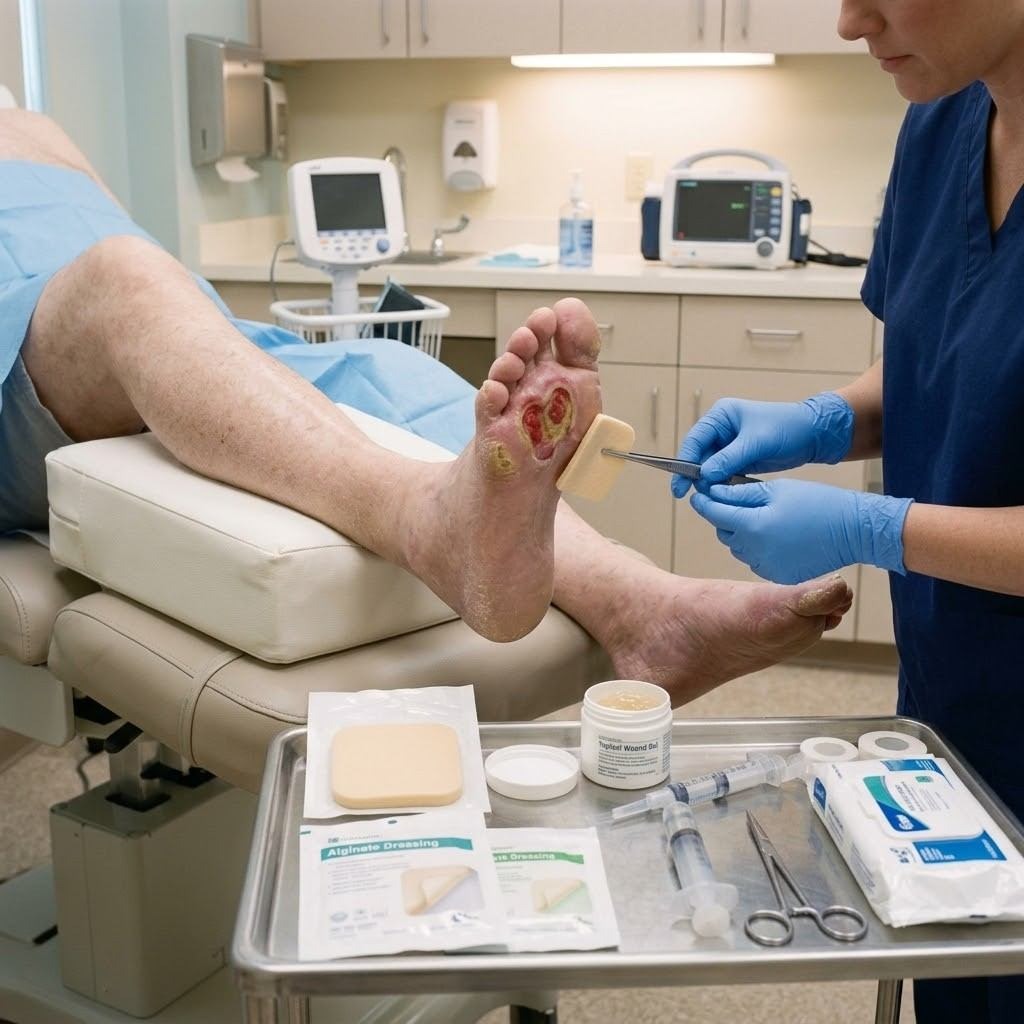
Diabetic Wound Specialist in Jalgaon for Wound Assessment
Diabetes can affect the way the body responds to wounds and may sometimes make it difficult to notice or heal an injury. A wound that appears small may need careful evaluation when it persists, changes in appearance, or develops signs of infection.
A diabetic wound specialist in Jalgaon can assess the wound, review factors that may be affecting its progress, and determine an appropriate wound-care approach. Dr. Dayanand L.M. can evaluate diabetic wounds based on their location, appearance, healing status, and associated clinical factors.
Understanding Diabetic Wounds
A diabetic wound is a skin injury or open area that occurs in a person with diabetes. It may develop following a minor cut, blister, pressure point, friction, or other injury.
Diabetic wounds can occur on:
- Feet and toes
- Heels
- Ankles
- Lower legs
- Pressure-prone areas
The wound may remain unnoticed when sensation is reduced.
Why Diabetic Wounds Need Careful Assessment
Diabetes may affect several factors involved in wound healing. These can include:
Changes in Sensation
Nerve-related changes may reduce the ability to feel pain, pressure, heat, or minor trauma.
Changes in Circulation
Blood flow plays an important role in delivering oxygen and nutrients to damaged tissue. Circulation problems may affect wound recovery.
Delayed Tissue Repair
Diabetes-related changes can interfere with the body's normal response to an injury.
Risk of Infection
An open wound can become infected, particularly when it remains untreated or continues to experience pressure or trauma.
Because different factors can occur together, assessment should look beyond the visible wound.
When to Consult for a Diabetic Wound
A diabetic wound should be evaluated when:
- A cut does not improve
- A blister remains open
- The wound becomes larger
- The skin around it becomes red
- Swelling develops
- Discharge appears
- The wound changes colour
- There is an unusual smell
- The area becomes increasingly warm
- Healing appears slower than expected
Pain may not always be a reliable indicator when sensation is reduced.
Wound Care and Dressing
Dressing requirements vary according to the wound's condition. Factors such as discharge, depth, tissue condition, and surrounding skin can influence dressing selection.
Wound care may involve:
- Cleaning the affected area
- Protecting the wound
- Selecting an appropriate dressing
- Managing wound discharge
- Protecting surrounding skin
- Monitoring changes during follow-up
The dressing approach may need to change as the wound progresses.
Managing Pressure Around the Wound
Pressure can contribute to continued tissue damage and delayed healing.
Depending on the wound location, reducing pressure may involve:
- Reviewing footwear
- Avoiding prolonged pressure
- Protecting pressure-prone areas
- Modifying activities when advised
- Using appropriate pressure-relieving measures
The appropriate approach depends on the individual's wound and mobility.
Diabetes and Wound Healing
Blood glucose management is part of overall diabetes care. Diabetes-related changes can influence how the body responds to injury and tissue repair.
People with diabetes should follow their prescribed diabetes-management plan and attend recommended medical reviews.
Frequently Asked Questions
Diabetic Wound Care in Jalgaon
Diabetic wounds can be influenced by several factors, so assessment should consider more than the visible wound. Understanding the wound's condition, identifying factors that may delay healing, protecting the affected area, and monitoring changes can help guide appropriate care.
For individuals seeking a diabetic wound specialist in Jalgaon, Dr. Dayanand L.M. can assess the wound and recommend a suitable care and follow-up approach based on the clinical findings.