Diabetic Wound Specialist in Dhule
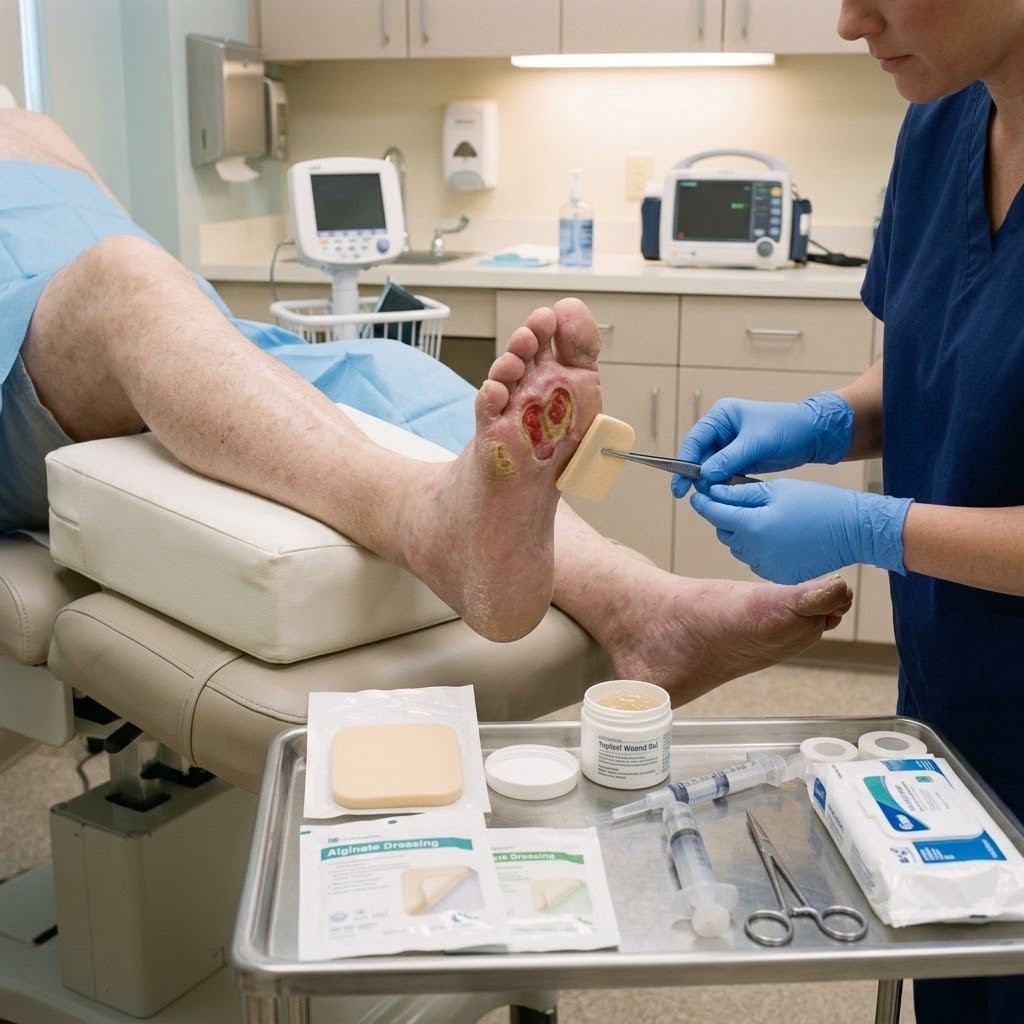
Diabetic Wound Specialist in Dhule for Diabetic Wound Care
Diabetes can affect sensation, circulation, and the body's response to injury. Because of these changes, a small cut, blister, skin crack, or other injury may sometimes go unnoticed or take longer to heal. Regular assessment can help identify wound-related concerns and factors that may be affecting recovery.
A diabetic wound specialist in Dhule can assess the condition of a wound, examine the surrounding tissue, and identify factors such as pressure, infection, reduced sensation, or circulation changes that may interfere with healing. Dr. Dayanand L.M. can evaluate diabetic wounds and advise on suitable care and follow-up based on the clinical findings.
What Is a Diabetic Wound?
A diabetic wound is an injury that occurs in a person with diabetes and may be influenced by diabetes-related changes in sensation, circulation, or tissue repair.
Such wounds may develop after:
- Minor cuts or injuries
- Blisters
- Skin cracks
- Friction from footwear
- Repeated pressure
- Burns
- Other forms of skin damage
A wound that appears minor can require attention when healing is delayed or sensation is reduced.
Why Can Diabetes Affect Wound Healing?
Changes in Sensation
Diabetes may affect nerve function and reduce the ability to feel pain, pressure, heat, or minor trauma. This can allow an injury to remain unnoticed.
Circulation Changes
Blood flow supplies oxygen and nutrients required for tissue repair. Circulation problems may therefore affect the healing process.
Delayed Tissue Repair
Diabetes-related changes can influence the body's response to injury and may contribute to slower wound recovery.
Risk of Infection
An open wound can become infected. Changes in redness, swelling, warmth, discharge, or general health may require medical assessment.
Common Signs of a Diabetic Wound
A diabetic wound may present with:
- An open area on the skin
- Persistent redness or discolouration
- Swelling
- Discharge
- Skin breakdown
- Changes in skin temperature
- Increasing wound size
- Unpleasant odour
- Delayed healing
- Reduced sensation
Pain may be limited when sensation has been affected.
Assessment of a Diabetic Wound
A detailed wound examination helps determine its condition and identify possible factors affecting healing.
The assessment may include:
- Wound location
- Size and depth
- Wound-bed condition
- Surrounding skin
- Type and amount of discharge
- Signs of infection
- Sensation
- Blood circulation
- Pressure and friction
- Footwear when relevant
- Mobility
- Diabetes history
- Other relevant medical conditions
Additional investigations may be advised when clinically appropriate.
Wound Dressing and Protection
The appropriate dressing depends on the wound's depth, tissue condition, discharge, and surrounding skin.
Regular assessment helps determine whether the dressing remains suitable as healing progresses. Protecting the affected area from repeated pressure, friction, and further injury is also important.
Diabetic Wounds and Infection
An open wound in a person with diabetes may require careful observation for infection.
Possible warning signs include:
- Increasing redness
- Swelling
- Local warmth
- Increasing pain
- Pus or increased discharge
- Unpleasant odour
- Rapid worsening
- Fever
- Feeling generally unwell
Suspected infection should be medically evaluated rather than treated through self-prescribed medication.
When Should a Diabetic Wound Be Assessed?
Medical assessment is advisable when a wound:
- Remains open
- Does not show expected improvement
- Becomes larger or deeper
- Develops persistent discharge
- Shows increasing redness or swelling
- Changes colour
- Develops an unusual odour
- Becomes increasingly warm or painful
- Is associated with fever
Timely assessment can help identify factors that may be interfering with healing.
Diabetes Management and Wound Healing
Blood glucose management forms part of overall diabetes care. Blood glucose levels can influence the body's response to injury and tissue repair.
People with diabetes should continue their prescribed management plan and attend recommended medical reviews.
Frequently Asked Questions
Diabetic Wound Care in Dhule
Diabetic wounds can have different causes and may require attention to the wound itself as well as factors affecting healing. Assessment, suitable wound care, protection from repeated injury, and regular monitoring can help guide management.
For individuals looking for a diabetic wound specialist in Dhule, Dr. Dayanand L.M. can assess the wound and advise on an appropriate care and follow-up plan based on the clinical findings.