Diabetic Wound Specialist in Ahmednagar
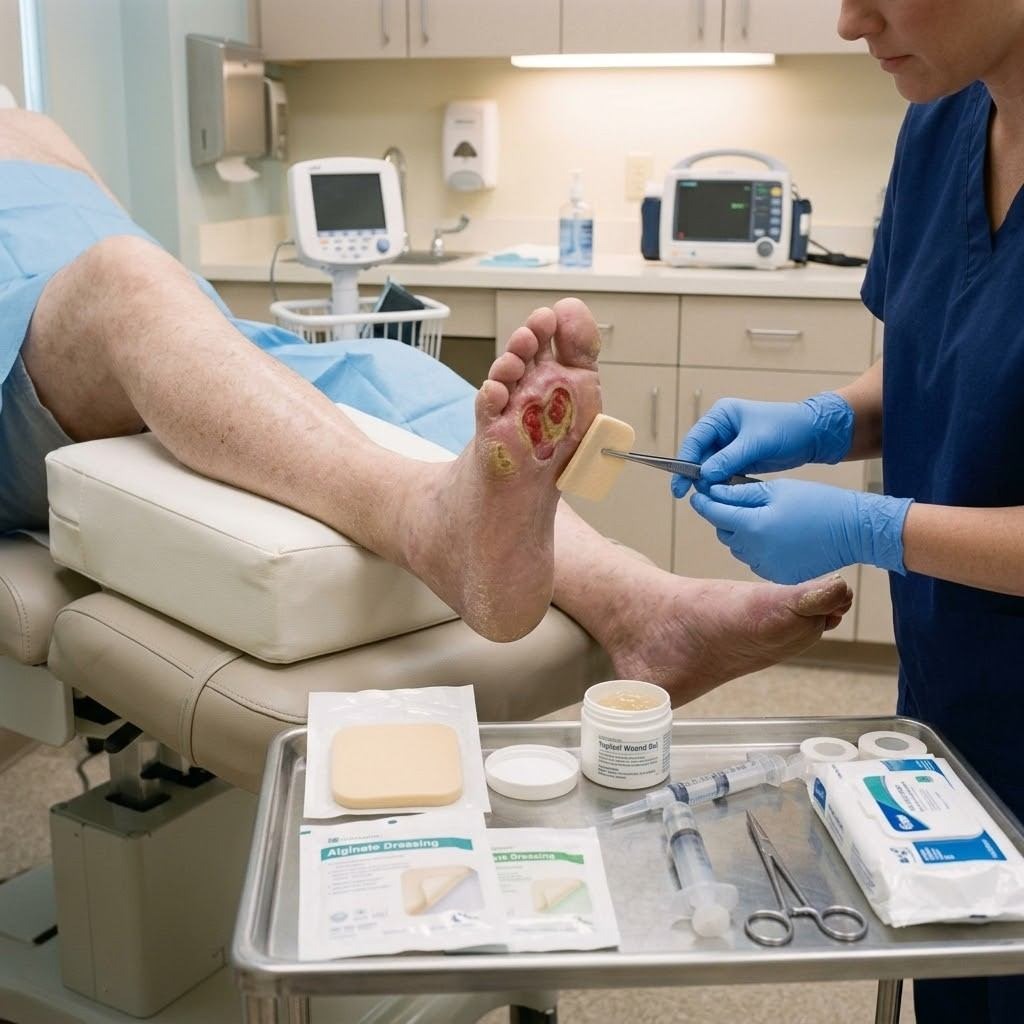
Diabetic Wound Specialist in Ahmednagar for Chronic Wounds
A wound in a person with diabetes may require closer attention because diabetes can affect sensation, circulation, skin condition, and tissue repair. A small cut, blister, crack, or pressure area can sometimes remain unnoticed or take longer to heal.
Diabetic wound specialist in Ahmednagar care involves examining the wound, understanding factors that may be affecting healing, assessing infection and circulation, and planning wound management according to the clinical findings. Dr. Dayanand L.M. can evaluate diabetic wounds and recommend an appropriate care and follow-up plan.
What Is a Diabetic Wound?
A diabetic wound is a skin injury or open wound occurring in a person with diabetes. It may develop on the feet, toes, heels, ankles, or other areas exposed to pressure or injury.
Common examples include:
- Foot wounds
- Diabetic ulcers
- Cuts and abrasions
- Blisters
- Skin cracks
- Pressure-related wounds
- Wounds that heal slowly
- Recurrent wounds
The severity and appearance can vary depending on the underlying factors.
Common Signs of a Diabetic Wound
A diabetic wound may present with:
- An open area on the skin
- Persistent redness
- Swelling
- Skin cracks
- Blisters
- Discharge
- Change in skin colour
- Local warmth
- Delayed healing
- Increasing wound size
Pain may not always be present when sensation is reduced.
How Is a Diabetic Wound Assessed?
A detailed wound assessment helps identify the condition of the wound and factors that may be affecting recovery.
Assessment may include:
- Wound location
- Length and width
- Depth
- Wound-bed condition
- Surrounding skin
- Amount and type of discharge
- Signs of infection
- Foot or limb sensation
- Blood circulation
- Pressure points
- Foot structure
- Mobility
- Footwear
- Diabetes-related factors
- Previous wound history
Understanding the Cause of the Wound
A diabetic wound may have more than one contributing factor.
Possible factors include:
- Repeated pressure
- Poorly fitting footwear
- Reduced sensation
- Reduced circulation
- Minor trauma
- Skin breakdown
- Infection
- Previous ulcers
- Foot deformities
Identifying these factors is important because simply covering the wound may not address the reason it developed.
Diabetic Wounds and Circulation
Circulation can be an important consideration when a diabetic wound heals slowly.
Clinical assessment may look for signs suggesting reduced blood flow. Depending on the findings, additional vascular evaluation may be recommended.
Changes in skin colour, temperature, pulses, or wound healing may provide useful clinical information.
Recognising Infection
An open diabetic wound can develop an infection.
Possible warning signs include:
- Increasing redness
- Swelling
- Local warmth
- Increasing pain
- Pus
- Increased discharge
- Unpleasant odour
- Rapid worsening
- Fever
- Feeling generally unwell
Suspected infection should be medically assessed. Antibiotics should not be self-prescribed.
Diabetes Management and Wound Healing
Good diabetes management forms part of overall diabetic wound care. Changes in blood glucose can influence the body's response to injury and tissue repair.
People with diabetes should continue their prescribed medicines and follow their diabetes-management plan.
Nutritional status may also be considered when a wound is slow to heal.
When Should a Diabetic Wound Be Evaluated?
Medical assessment is advisable when:
- A wound remains open
- A cut does not improve
- A blister breaks down
- The wound becomes larger
- Discharge develops
- Redness or swelling increases
- The skin changes colour
- There are signs of infection
- The wound repeatedly reopens
A new foot wound in a person with diabetes should not be ignored, even when it appears small.
Frequently Asked Questions
Diabetic Wound Care in Ahmednagar
Diabetic wounds require attention to more than the visible skin injury. Sensation, circulation, pressure, infection, wound depth, footwear, and diabetes-related factors may all influence healing.
For individuals searching for a diabetic wound specialist in Ahmednagar, Dr. Dayanand L.M. can assess the wound, identify factors affecting healing, and recommend an appropriate wound-care and follow-up plan based on the clinical condition.