Diabetic Foot Ulcer Treatment in Nandurbar
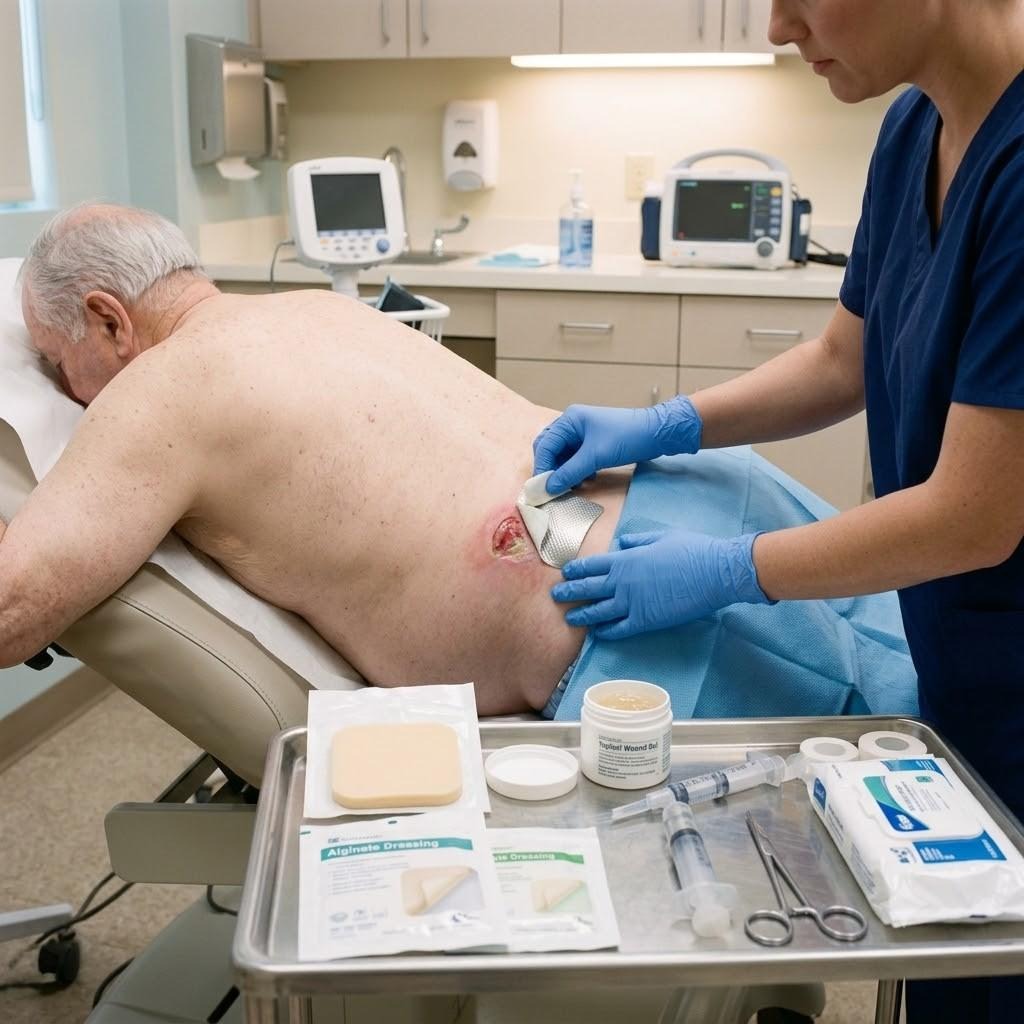
Diabetic Foot Ulcer Treatment in Nandurbar for Wound Care
A diabetic foot ulcer is an open wound that can develop on the foot of a person with diabetes. It may occur due to repeated pressure, reduced sensation, minor trauma, circulation changes, or delayed tissue repair. Because a diabetic foot ulcer can worsen without obvious pain, timely assessment is important.
Diabetic foot ulcer treatment in Nandurbar involves examining the ulcer, understanding factors affecting healing, checking for infection and circulation-related concerns, and providing wound care according to the clinical condition.
What Is a Diabetic Foot Ulcer?
A diabetic foot ulcer is a break in the skin that remains open or heals slowly in a person with diabetes.
It may develop on:
- Sole of the foot
- Heel
- Toes
- Ball of the foot
- Side of the foot
- Areas exposed to repeated pressure
An ulcer can begin with a small blister, cut, callus, or pressure point and may become deeper if the underlying cause continues.
Why Can Diabetic Foot Ulcers Develop?
Several factors may contribute to ulcer formation.
Reduced Sensation
Diabetes-related nerve changes can reduce the ability to feel pain, pressure, heat, or friction. An injury may therefore go unnoticed.
Repeated Pressure
Walking, standing, tight footwear, or abnormal pressure distribution can repeatedly stress the same area.
Circulation Changes
Reduced blood flow may affect the supply of oxygen and nutrients required for tissue repair.
Minor Trauma
Small cuts, blisters, cracks, or punctures can develop into persistent wounds when healing is impaired.
Foot Structure
Changes in foot shape or areas of prominent bone can create repeated pressure points.
Common Signs of a Diabetic Foot Ulcer
A foot ulcer may appear as:
- An open sore
- A break in the skin
- Persistent redness
- Swelling
- Discharge
- Skin discolouration
- A wound that does not improve
- Increasing wound depth
- Changes around the wound
Pain may be mild or absent when sensation is reduced.
How Is a Diabetic Foot Ulcer Assessed?
A detailed examination helps determine the condition of the ulcer and possible reasons for delayed healing.
Assessment may include:
- Ulcer location
- Length and width
- Depth
- Wound-bed appearance
- Surrounding skin
- Amount and type of discharge
- Signs of infection
- Foot sensation
- Blood circulation
- Pressure points
- Foot structure
- Mobility
- Diabetes-related factors
- Previous ulcer history
Additional investigations may be advised when clinically appropriate.
Understanding the Cause of the Ulcer
Treating the visible wound alone may not be sufficient if the factor causing repeated injury continues.
For example:
- Pressure may continue to damage the ulcer.
- Reduced sensation may allow repeated unnoticed trauma.
- Circulation problems may affect healing.
- Infection may interfere with tissue recovery.
- Footwear may create continuous friction or pressure.
Identifying these factors helps guide the overall wound-care approach.
Diabetes Management During Wound Care
Diabetes management remains an important part of overall foot health.
Blood glucose levels can influence tissue repair and other processes involved in healing. Individuals should continue their prescribed diabetes medicines and follow their established diabetes-management plan.
Other factors such as nutrition, mobility, circulation, and existing medical conditions may also be considered.
When Should a Diabetic Foot Ulcer Be Evaluated?
A diabetic foot ulcer should be assessed when:
- An open wound develops
- The ulcer does not improve
- The wound becomes larger or deeper
- Discharge appears
- Redness or swelling increases
- The surrounding skin changes
- An unusual odour develops
- Infection is suspected
- Fever occurs
Even a small ulcer may require attention when sensation is reduced.
Frequently Asked Questions
Diabetic Foot Ulcer Care in Nandurbar
A diabetic foot ulcer requires attention to both the wound and the factors contributing to its development or delayed healing. Ulcer assessment, pressure reduction, appropriate dressing care, circulation evaluation, infection monitoring, and regular follow-up can form important parts of management.
For individuals seeking diabetic foot ulcer treatment in Nandurbar, clinical evaluation can help determine the ulcer's condition and identify factors that may be affecting healing. The wound-care approach can then be planned according to the individual's clinical needs.