Diabetic Foot Ulcer Treatment in Malegaon
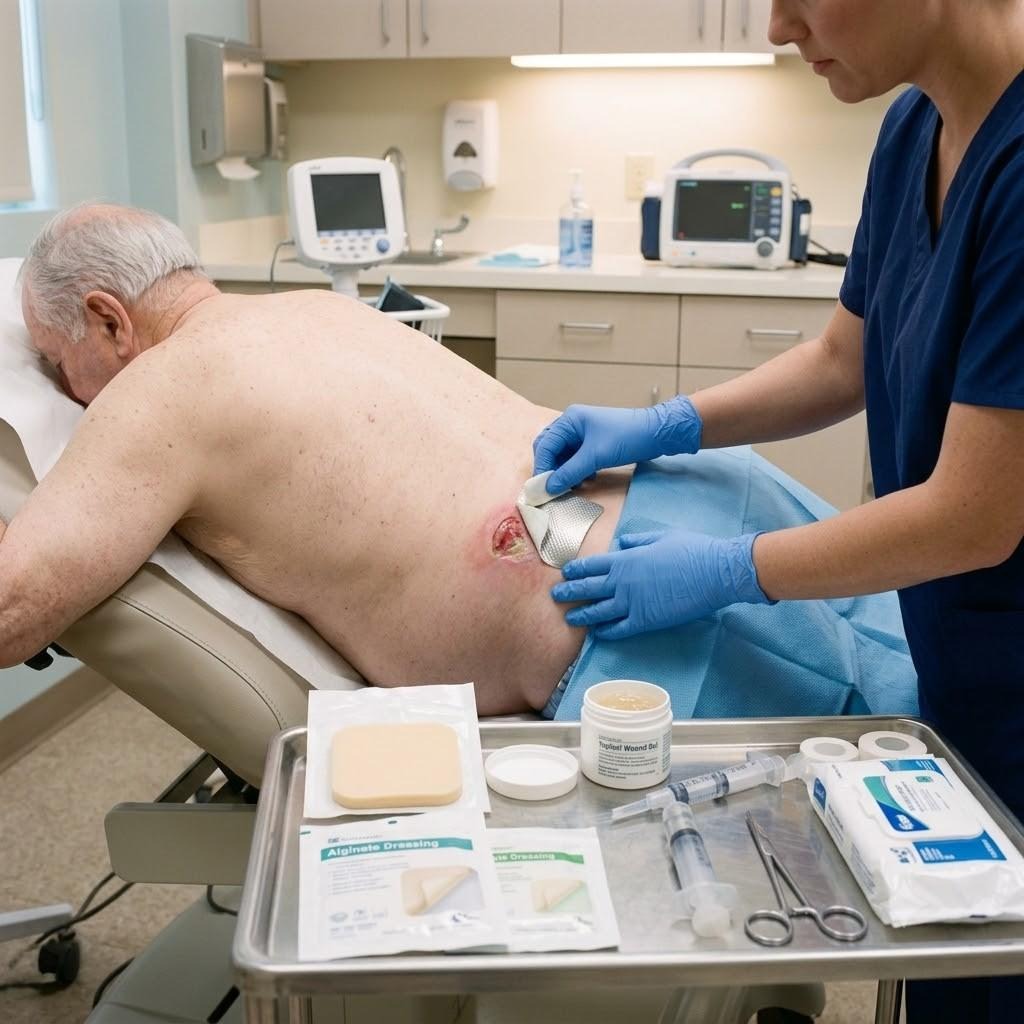
Diabetic Foot Ulcer Treatment in Malegaon for Foot Wound Care
A diabetic foot ulcer is an open wound that can develop on the foot in people with diabetes. It may begin with a small blister, crack, callus, pressure spot, or minor injury and can persist when sensation, circulation, pressure, or tissue healing is affected.
Diabetic foot ulcer treatment in Malegaon involves more than caring for the visible wound. The ulcer needs to be assessed for its depth, tissue condition, infection risk, pressure exposure, circulation, and sensation. Dr. Dayanand L.M. can evaluate the ulcer and recommend a wound-care and follow-up approach based on its clinical condition.
What Is a Diabetic Foot Ulcer?
A diabetic foot ulcer is a break in the skin that develops on the foot and does not heal normally. It can occur on the:
- Sole of the foot
- Heel
- Toes
- Ball of the foot
- Sides of the foot
- Areas exposed to repeated footwear pressure
The ulcer may initially be small but can become deeper if the factors causing tissue damage continue.
How Does a Diabetic Foot Ulcer Develop?
Several factors can work together to cause an ulcer.
Reduced Foot Sensation
Diabetes-related nerve changes can reduce the ability to feel pain, pressure, heat, or friction. A person may therefore continue walking on an injured area without realising it.
Repeated Pressure
Pressure from walking, standing, footwear, or an abnormal weight distribution can affect the same area repeatedly.
Circulation Problems
Reduced blood flow can affect the supply of oxygen and nutrients required for tissue repair.
Minor Injuries
Blisters, cuts, cracks, burns, or puncture wounds can become persistent when healing is delayed.
Calluses and Pressure Points
Thickened skin can develop over areas exposed to repeated pressure. The underlying tissue may become vulnerable to injury.
Common Signs of a Diabetic Foot Ulcer
A diabetic foot ulcer may appear as:
- An open sore
- A persistent break in the skin
- Redness around the wound
- Swelling
- Discharge
- Changes in skin colour
- A deeper-looking wound
- A callused area around an ulcer
- Changes in the surrounding skin
Pain may be limited or absent when sensation is reduced.
Understanding the Depth of the Ulcer
Diabetic foot ulcers can differ significantly in their appearance, severity, and underlying causes. Some involve only superficial skin, while others may extend deeper into underlying tissue.
The assessment may consider whether the ulcer involves:
- Surface skin
- Deeper soft tissue
- Tendons or other structures
- Areas with suspected deeper infection
The depth and condition of the ulcer can influence the overall management approach.
Diabetes and Ulcer Healing
Diabetes can affect several aspects of wound recovery. Blood glucose management, circulation, sensation, nutrition, and infection can all influence healing.
People with diabetes should continue their prescribed diabetes treatment and follow their healthcare provider's recommendations.
Frequently Asked Questions
Diabetic Foot Ulcer Care in Malegaon
A diabetic foot ulcer should be assessed according to its depth, tissue condition, circulation, sensation, pressure exposure, and infection risk. Addressing these factors alongside wound care can help create a more appropriate management plan.
For individuals seeking diabetic foot ulcer treatment in Malegaon, Dr. Dayanand L.M. can evaluate the ulcer and identify factors that may be affecting its condition and healing. A suitable wound-care, pressure-management, and follow-up plan can then be determined according to the clinical findings.