Diabetic Foot Ulcer Treatment in Dhule
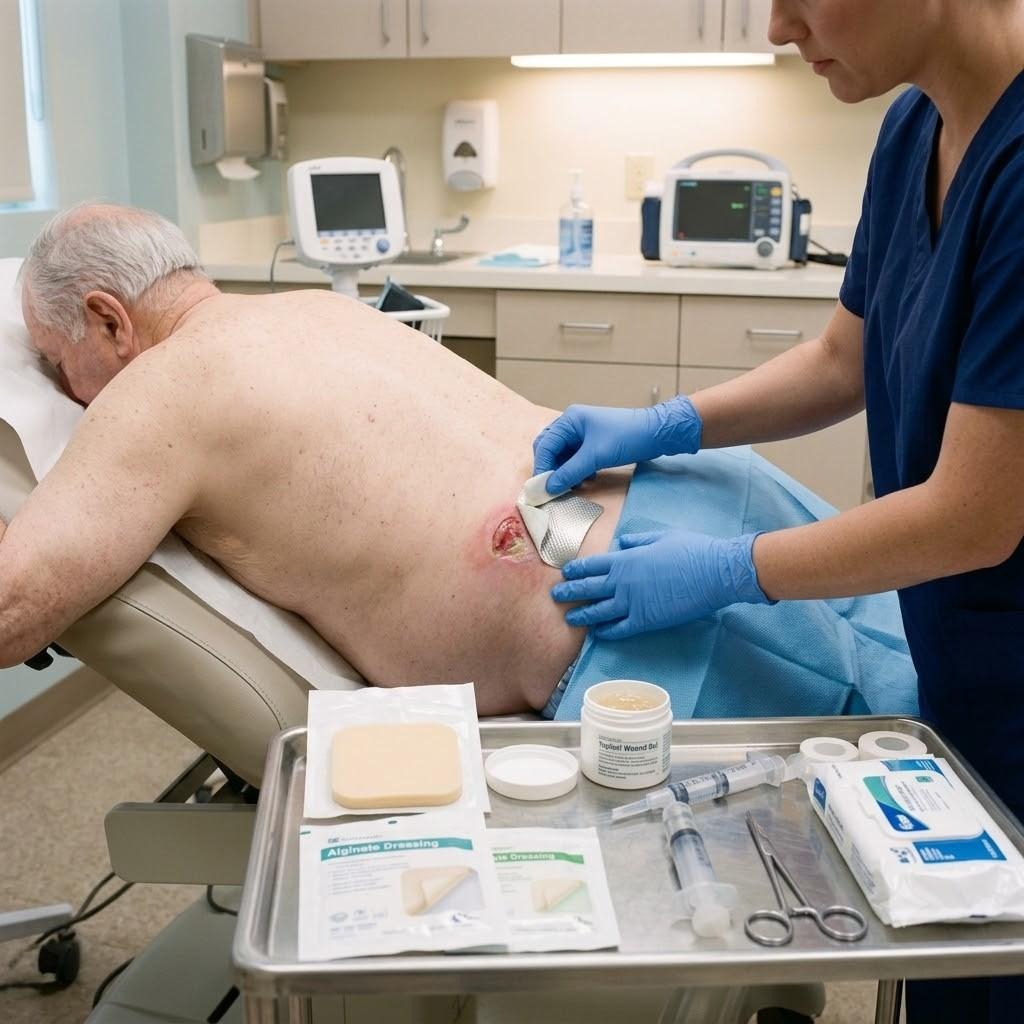
Diabetic Foot Ulcer Treatment in Dhule for Wound Management
A diabetic foot ulcer is an open wound that can develop on the foot of a person with diabetes. It may occur due to repeated pressure, reduced sensation, minor injuries, changes in circulation, or delayed healing. Even a small wound can require careful attention when diabetes affects the normal response to injury.
Diabetic foot ulcer treatment in Dhule starts with examining the ulcer and identifying factors that may be affecting its healing. The assessment may consider the wound's size, depth, location, surrounding skin, sensation, circulation, and signs of infection. Dr. Dayanand L.M. can evaluate the condition and advise on appropriate wound care and follow-up.
What Is a Diabetic Foot Ulcer?
A diabetic foot ulcer is an open area on the foot that develops in a person with diabetes and does not heal normally.
It may develop on:
- Toes
- Sole of the foot
- Heel
- Ball of the foot
- Areas exposed to repeated pressure
- Other parts of the foot affected by injury or friction
The ulcer may be shallow or may extend into deeper tissue depending on its severity.
Why Do Diabetic Foot Ulcers Develop?
Several factors can contribute to the development of a foot ulcer.
Reduced Sensation
Diabetes can affect nerve function. Reduced sensation may make it difficult to notice pressure, friction, heat, or minor injuries.
Repeated Pressure
Continuous pressure from walking, standing, or footwear can damage the skin and underlying tissue.
Minor Injuries
Small cuts, blisters, cracks, or burns may become difficult to heal when diabetes affects sensation or circulation.
Circulation Changes
Adequate blood flow is important for tissue repair. Reduced circulation can affect the supply of oxygen and nutrients to the affected area.
Delayed Healing
Diabetes-related changes can interfere with normal tissue repair, allowing a wound to remain open for longer.
Signs of a Diabetic Foot Ulcer
A diabetic foot ulcer may appear as an open wound, but other changes can also occur.
Possible signs include:
- A wound that does not heal
- Redness around the affected area
- Swelling
- Skin colour changes
- Discharge
- Unpleasant odour
- Increasing wound size
- Changes in surrounding skin
- Warmth around the wound
- Reduced sensation
Pain may be limited or absent when sensation is reduced.
Assessment of a Diabetic Foot Ulcer
A detailed examination helps determine the condition of the ulcer and factors that may be affecting its progress.
The assessment may include:
- Location of the ulcer
- Length, width, and depth
- Wound-bed condition
- Surrounding skin
- Type and amount of discharge
- Signs of infection
- Foot sensation
- Blood circulation
- Pressure points
- Footwear-related factors
- Mobility
- Diabetes and other relevant medical history
Importance of Pressure Reduction
Continued pressure can interfere with ulcer healing. Pressure may come from footwear, walking, standing, or repeated contact with a particular part of the foot.
Protecting the affected area from unnecessary pressure can help prevent further tissue damage. The appropriate pressure-relief method depends on the ulcer's location and the individual's mobility.
Wound Dressing and Care
Dressing requirements depend on the ulcer's depth, discharge, tissue condition, and surrounding skin.
Regular assessment helps determine whether the dressing approach remains suitable as the wound changes. The surrounding skin also needs protection from moisture, friction, and further injury.
Wound-care products should be selected according to the condition of the ulcer rather than using the same product for every wound.
Diabetes and Foot Ulcer Healing
Diabetes management is an important part of overall foot care. Changes in blood glucose can influence the body's response to injury and tissue repair.
People with diabetes should continue their prescribed diabetes-management plan and attend recommended medical reviews.
Regular foot inspection can also help identify new injuries before they become more extensive.
Follow-Up and Monitoring
Diabetic foot ulcers may require ongoing observation. During follow-up, the ulcer can be reviewed for changes in size, depth, tissue condition, discharge, surrounding skin, and other relevant factors.
Dr. Dayanand L.M. can assess the ulcer during clinical evaluation and review factors that may influence healing. The wound-care approach can be adjusted according to its progress.
Frequently Asked Questions
Diabetic Foot Ulcer Care in Dhule
A diabetic foot ulcer can be influenced by several factors, including pressure, sensation, circulation, infection, and diabetes-related changes. Assessment of the ulcer, appropriate wound care, pressure reduction, and regular monitoring can help guide its management.
For individuals looking for diabetic foot ulcer treatment in Dhule, Dr. Dayanand L.M. can assess the ulcer and advise on an appropriate care and follow-up plan based on the clinical findings.