Diabetic Foot Ulcer Treatment in Ahmednagar
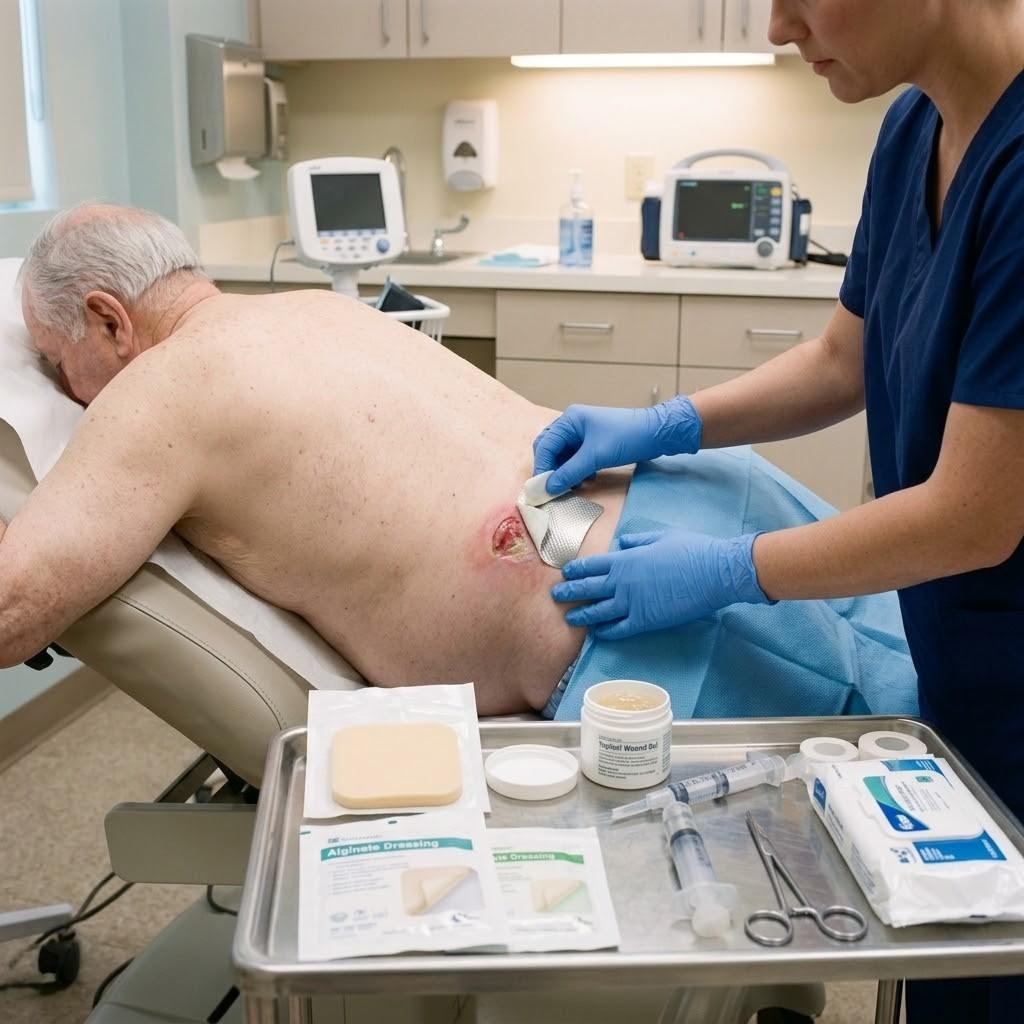
Diabetic Foot Ulcer Treatment in Ahmednagar for Ulcer Care
A diabetic foot ulcer is an open wound that develops on the foot in a person with diabetes. It can occur following pressure, friction, a blister, minor trauma, or skin breakdown. Reduced sensation may allow the injury to remain unnoticed until the wound becomes more established.
Diabetic foot ulcer treatment in Ahmednagar begins with understanding the ulcer's location, depth, tissue condition, and possible causes. Dr. Dayanand L.M. can assess the ulcer and determine an appropriate wound-care and follow-up plan based on the clinical findings.
Understanding a Diabetic Foot Ulcer
A diabetic foot ulcer may develop when skin and underlying tissue break down. It is commonly found on areas exposed to repeated pressure, such as:
- Sole of the foot
- Heel
- Toes
- Ball of the foot
- Side of the foot
The appearance of an ulcer can vary depending on its depth, duration, circulation, pressure exposure, and associated conditions.
How Can a Diabetic Foot Ulcer Develop?
Several factors can contribute to ulcer formation.
Nerve-Related Changes
Reduced sensation can make it difficult to notice pressure, heat, friction, or a minor injury.
Repeated Mechanical Stress
Walking or standing can repeatedly expose the same area to pressure, particularly when footwear does not fit properly.
Skin Breakdown
Dry, cracked, or damaged skin may provide an entry point for further tissue injury.
Circulation Concerns
Reduced blood flow can affect the supply of oxygen and nutrients needed for tissue repair.
Previous Foot Problems
A history of previous ulcers, calluses, deformities, or repeated pressure can increase vulnerability.
Understanding Ulcer Depth
The depth of an ulcer provides important information about the extent of tissue involvement.
An ulcer may involve:
- Superficial skin
- Deeper soft tissue
- Areas beneath the skin
- Deeper structures in more advanced cases
The visible size of an ulcer does not always indicate how much tissue is affected, which is why clinical assessment is important.
Offloading and Pressure Reduction
Reducing mechanical stress on the ulcer is an important part of care.
Depending on the ulcer location and the person's mobility, pressure reduction may involve:
- Modifying footwear
- Reducing pressure on the affected area
- Using appropriate offloading methods
- Adjusting walking or standing activities when advised
- Protecting pressure-prone areas
The suitable method depends on the individual ulcer and clinical assessment.
Role of Circulation
Blood circulation may be evaluated when an ulcer is slow to heal or when there are clinical signs suggesting reduced blood flow.
Depending on the assessment, further vascular evaluation may be considered.
Factors such as skin temperature, colour, pulses, and other clinical findings may help guide the assessment.
Diabetes and Ulcer Healing
Diabetes can influence wound healing through changes in sensation, circulation, and tissue repair.
Maintaining blood glucose according to the prescribed diabetes-management plan is an important part of overall care.
Regular medical follow-up may be recommended based on individual needs.
Footwear and Ulcer Prevention
Footwear can influence pressure and friction on vulnerable areas.
Useful measures may include:
- Choosing suitable footwear
- Avoiding tight shoes
- Checking shoes before wearing them
- Avoiding barefoot walking
- Inspecting pressure-prone areas
- Following recommended footwear or offloading advice
People with reduced sensation may not feel pressure caused by poorly fitting footwear.
Preventing Another Foot Ulcer
After an ulcer improves, preventing repeated pressure and injury becomes important.
Preventive measures may include:
- Regular foot inspection
- Suitable footwear
- Pressure reduction
- Avoiding barefoot walking
- Managing dry or cracked skin appropriately
- Checking for new pressure areas
- Following diabetes-management advice
- Seeking early assessment of new wounds
Frequently Asked Questions
Diabetic Foot Ulcer Care in Ahmednagar
A diabetic foot ulcer requires attention to more than the visible wound. Ulcer depth, pressure exposure, circulation, sensation, infection risk, footwear, and diabetes-related factors can all influence its management.
For individuals seeking diabetic foot ulcer treatment in Ahmednagar, Dr. Dayanand L.M. can assess the ulcer and recommend a suitable wound-care and follow-up plan according to its clinical condition.