Diabetic Foot Treatment in Nandurbar
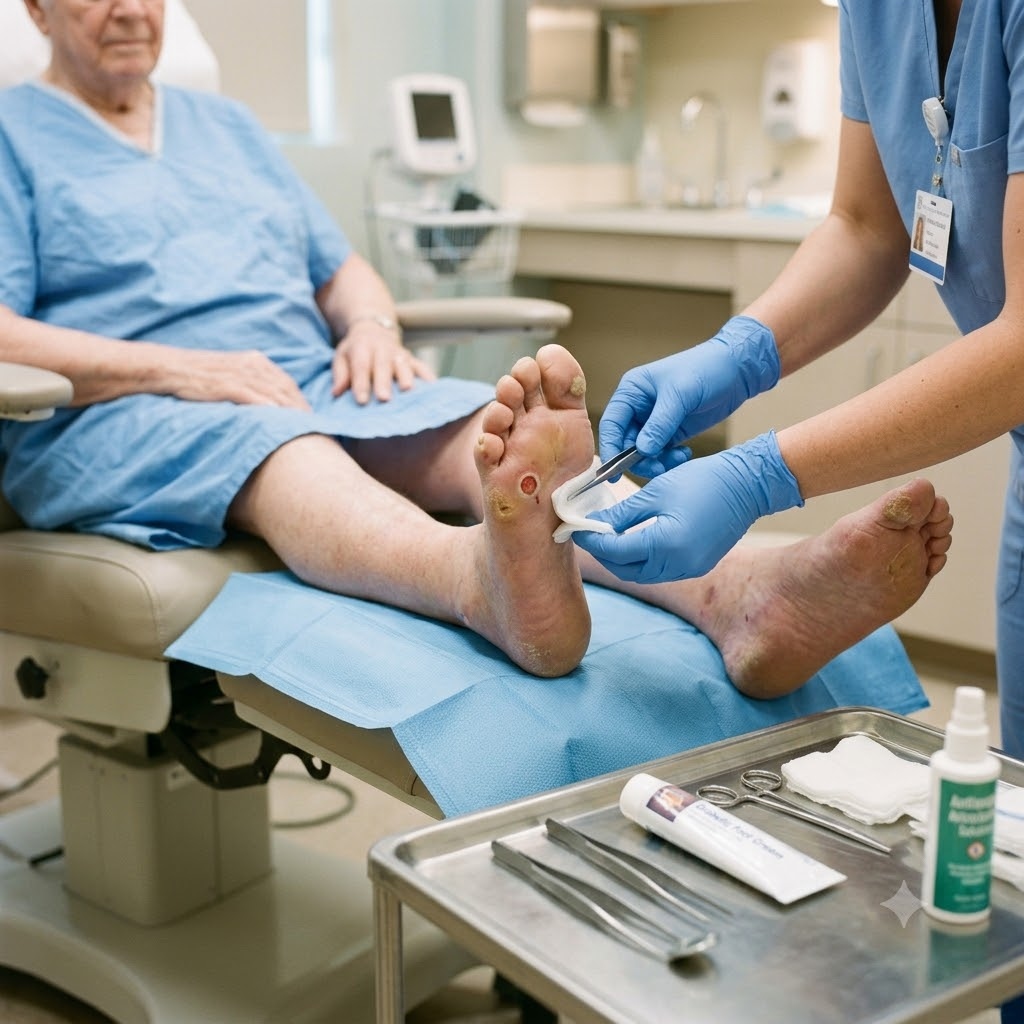
Diabetic Foot Treatment in Nandurbar for Foot Health & Wound Prevention
Diabetes can affect the feet in several ways, including changes in sensation, circulation and the body's ability to repair injured tissue. Because some foot problems may develop without noticeable pain, regular foot examination can help identify changes at an earlier stage.
Diabetic foot treatment in Nandurbar involves evaluating the condition of the feet, identifying pressure-prone areas, checking sensation and circulation, and assessing wounds or skin changes when present. The care plan depends on the individual's foot condition and underlying risk factors.
How Diabetes Can Affect the Feet
Long-term diabetes may contribute to changes that make the feet more vulnerable to injury.
These may include:
- Reduced sensation
- Dry or cracked skin
- Changes in circulation
- Repeated pressure
- Slow healing of minor injuries
- Increased vulnerability to infection
- Changes in foot structure
A minor injury may therefore require attention even when it initially appears insignificant.
What Is Diabetic Foot?
Diabetic foot refers to foot-related problems occurring in people with diabetes. These can range from dry skin and calluses to blisters, infections, ulcers and other wounds.
Commonly affected areas include:
- Toes
- Heel
- Sole
- Ball of the foot
- Sides of the foot
- Areas exposed to footwear pressure
Common Diabetic Foot Problems
Calluses and Pressure Areas
Repeated pressure can cause thickened skin and may indicate an area receiving excessive mechanical stress.
Blisters
Blisters may develop because of friction from footwear or repeated movement.
Skin Cracks
Dry skin can crack and create an opening through which infection may develop.
Foot Wounds
Cuts, abrasions or other injuries may take longer to heal in some people with diabetes.
Foot Ulcers
A persistent open wound may develop when pressure, reduced sensation, circulation problems or other factors interfere with healing.
What to Avoid
Some everyday habits can increase the possibility of foot injury.
It is generally advisable to avoid:
- Walking barefoot where injury is possible
- Wearing tight footwear
- Ignoring a new blister or wound
- Removing calluses aggressively at home
- Using unverified chemical products on wounds
- Applying excessive heat directly to the feet
- Continuing activities that repeatedly irritate an injured area
People with diabetes should seek appropriate medical advice when a foot problem persists.
Diabetic Foot Wounds
When an open wound is present, its size, depth, tissue condition and surrounding skin may need assessment.
Depending on the findings, wound care may involve:
- Cleaning and protecting the wound
- Appropriate dressing
- Reducing pressure
- Monitoring discharge
- Checking for infection
- Assessing circulation
- Regular follow-up
The dressing and care approach may change as the wound progresses.
Diabetes and Foot Healing
Diabetes management is an important part of maintaining overall foot health. Blood glucose levels can influence several processes involved in tissue repair.
Individuals should continue their prescribed diabetes medicines and follow their established diabetes-management plan.
Nutrition, mobility and other health conditions may also be considered when a foot wound is slow to heal.
Preventing Diabetic Foot Problems
Preventive foot care can include:
- Daily visual foot inspection
- Appropriate footwear
- Regular foot hygiene
- Protecting the feet from injury
- Managing pressure and friction
- Avoiding barefoot walking
- Monitoring skin changes
- Following diabetes-care recommendations
- Seeking early assessment of persistent wounds
Small changes should not be ignored when sensation is reduced.
Frequently Asked Questions
Diabetic Foot Care in Nandurbar
Diabetic foot care involves more than treating an existing wound. Regular assessment of sensation, circulation, skin condition, pressure points and footwear can help identify potential problems and guide appropriate care.
For individuals seeking diabetic foot treatment in Nandurbar, clinical evaluation can help determine the condition of the feet and whether wound care, pressure management, further assessment or preventive measures are required.