Diabetic Foot Treatment in Malegaon
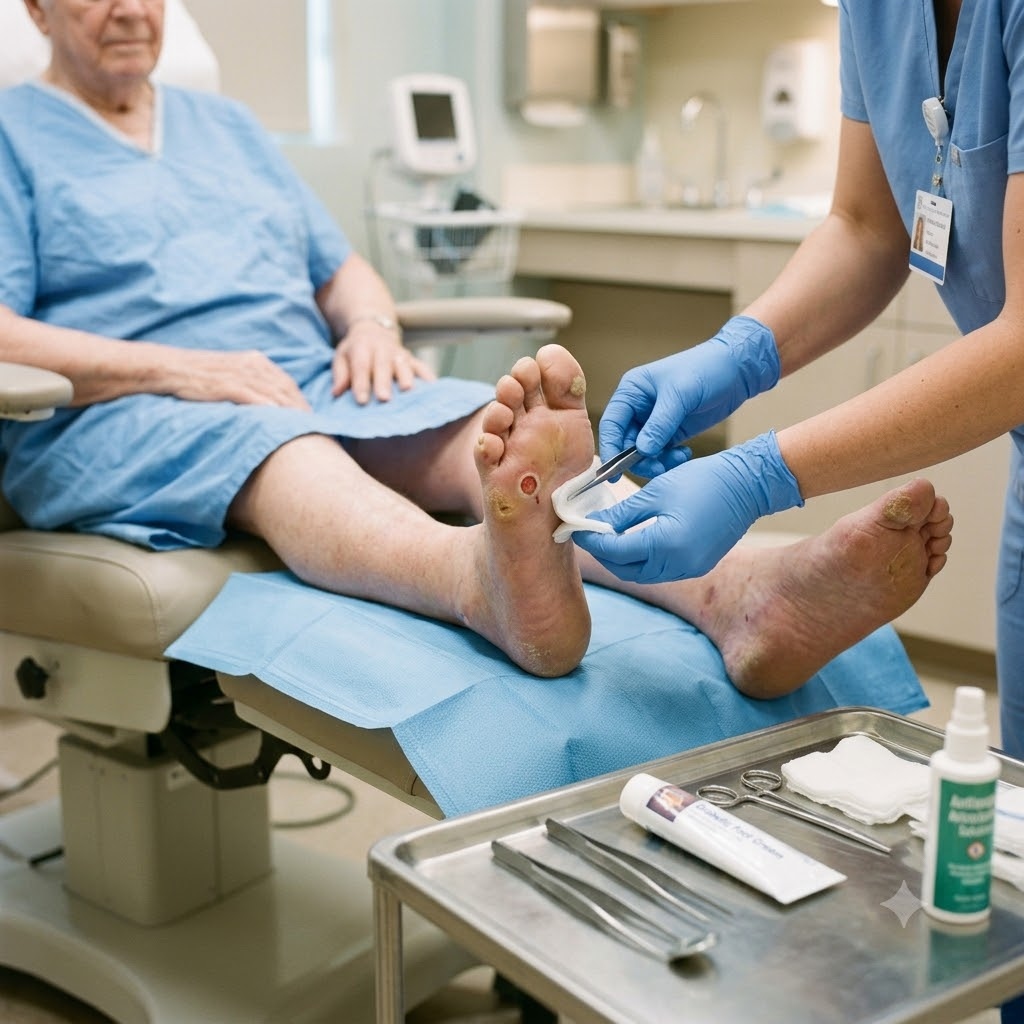
Diabetic Foot Treatment in Malegaon for Foot Wound Care
A small foot problem can become difficult to manage when diabetes affects sensation, circulation, or the body's ability to repair damaged tissue. A blister, crack, cut, callus, or pressure mark may sometimes go unnoticed and gradually develop into an open wound.
Diabetic foot treatment in Malegaon focuses on understanding the condition of the foot and identifying the factors that may be affecting healing. Dr. Dayanand L.M. can assess diabetic foot problems, examine wounds or ulcers, and determine an appropriate care and follow-up approach based on the individual's condition.
What Is a Diabetic Foot Problem?
Diabetic foot problems can include skin injuries, ulcers, infections, pressure-related wounds, or changes in the structure and sensation of the foot.
They may develop gradually or begin with a minor injury such as:
- A blister caused by footwear
- A small cut
- Cracked skin
- A callus
- A pressure spot
- A minor burn
- A puncture injury
Because sensation can be reduced in some people with diabetes, these changes may not always cause noticeable pain.
Why Diabetes Can Affect the Feet
Diabetes can influence several factors involved in maintaining healthy feet and repairing damaged tissue.
Reduced Sensation
Nerve damage can reduce the ability to feel pain, pressure, heat, or friction. This may allow an injury to continue without being noticed.
Changes in Circulation
Reduced blood flow can affect the supply of oxygen and nutrients to the tissues and may contribute to slower wound healing.
Delayed Wound Repair
Some diabetic wounds take longer to heal, particularly when pressure, infection, circulation problems, or other health factors are present.
Repeated Pressure
Walking on a vulnerable area or wearing footwear that creates pressure can repeatedly irritate the same part of the foot.
Common Diabetic Foot Problems
Diabetes-related foot concerns can include:
- Foot ulcers
- Non-healing wounds
- Blisters
- Cracked skin
- Calluses
- Corns
- Pressure-related injuries
- Skin infections
- Swelling
- Changes in skin colour
- Wounds caused by footwear friction
Not every foot problem has the same cause, so assessment is important before deciding on treatment.
When Should a Diabetic Foot Be Evaluated?
A medical assessment is advisable when:
- A wound remains open
- A blister does not settle
- A cut is not healing
- The wound becomes deeper
- Discharge develops
- Redness or swelling increases
- The skin changes colour
- An unpleasant odour appears
- Infection is suspected
- A new wound develops in an area with reduced sensation
Early assessment can help identify problems that may otherwise progress unnoticed.
Frequently Asked Questions
Diabetic Foot Care in Malegaon
Diabetic foot problems can range from minor skin changes to persistent ulcers and wounds. Early assessment is useful because factors such as sensation, circulation, pressure, infection, footwear, and diabetes can all influence the condition of the foot.
For individuals seeking diabetic foot treatment in Malegaon, Dr. Dayanand L.M. can evaluate the foot or wound, identify relevant contributing factors, and recommend an appropriate care and follow-up plan based on the clinical findings.