Diabetic Foot Treatment in Jalgaon
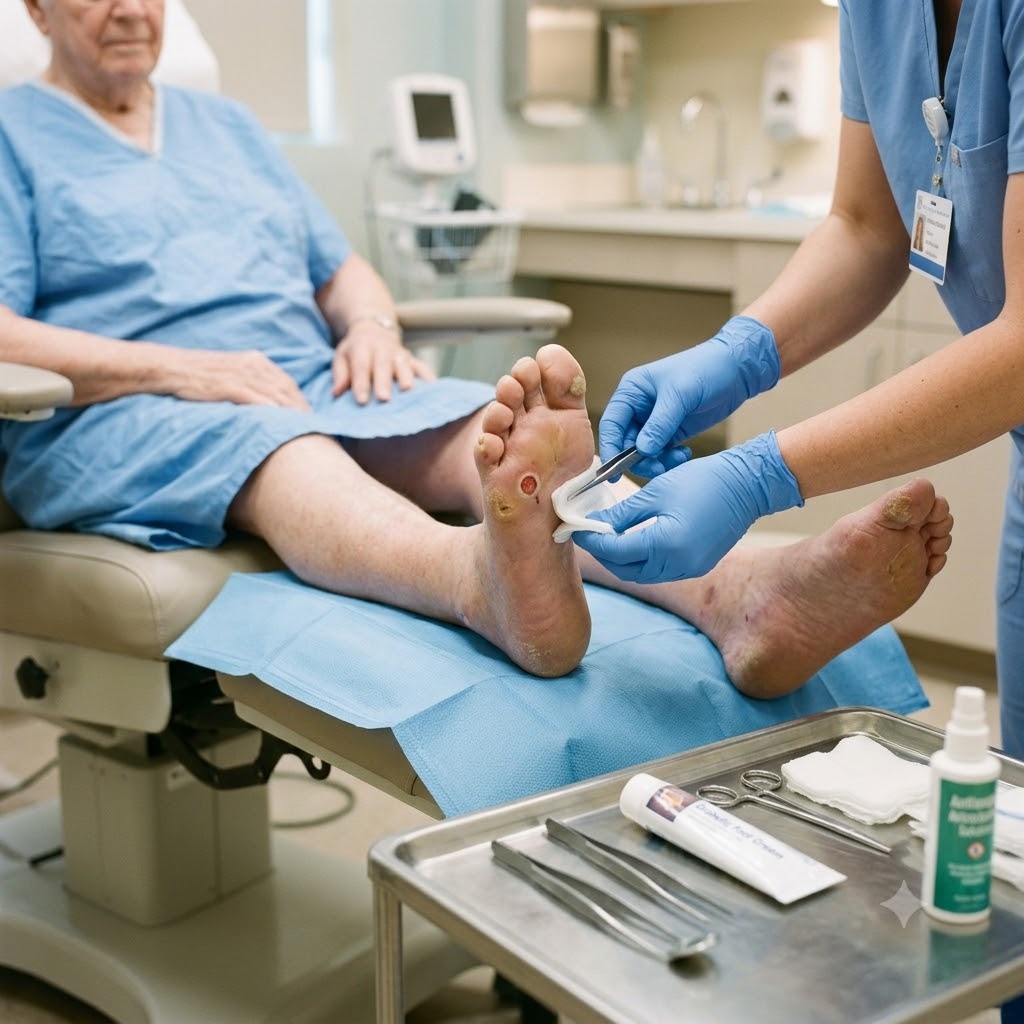
Diabetic Foot Treatment in Jalgaon for Foot Health & Wound Care
Diabetes can affect the nerves, blood vessels, and the body's ability to repair damaged tissue. Because of these changes, a small cut, blister, crack, or pressure-related injury on the foot may sometimes go unnoticed or take longer to heal.
Diabetic foot treatment in Jalgaon involves evaluating the condition of the foot, identifying factors that may affect healing, and providing appropriate care according to the clinical findings. Dr. Dayanand L.M. can assess diabetic foot-related concerns and recommend a suitable management and follow-up plan.
What Is a Diabetic Foot Problem?
Diabetic foot problems can develop when diabetes-related changes affect sensation, circulation, skin condition, or tissue healing. A minor injury can become more difficult to manage when it remains unnoticed or is repeatedly exposed to pressure.
Common foot problems may include:
- Cuts and minor injuries
- Blisters
- Skin cracks
- Pressure areas
- Foot wounds
- Changes in skin colour
- Swelling
- Delayed healing
- Signs of infection
Early evaluation can help identify changes before they become more extensive.
How Can Diabetes Affect the Feet?
Reduced Sensation
Diabetes may affect the nerves and reduce the ability to feel pain, pressure, heat, or minor injuries. As a result, a person may not notice a wound immediately.
Circulation Changes
Healthy blood flow is important for supplying oxygen and nutrients to tissues. Circulation problems can interfere with the normal repair process.
Delayed Healing
Changes associated with diabetes may affect the body's response to injury, resulting in slower wound recovery.
Increased Risk of Infection
An open wound can become infected. Changes such as increasing redness, swelling, warmth, or discharge should be medically evaluated.
Common Signs That Need Attention
A person with diabetes should pay attention to changes such as:
- Cuts or wounds that remain open
- Blisters that do not improve
- Redness or swelling
- Skin colour changes
- Increased warmth
- Discharge
- Unusual odour
- Cracked skin
- Changes in sensation
- Wounds that appear to be getting larger
Pain may not always occur when sensation is reduced.
Assessment of the Diabetic Foot
A clinical assessment can help determine the condition of the foot and identify factors that may contribute to a problem.
The evaluation may include:
- Examination of the skin
- Location and size of any wound
- Wound depth when applicable
- Surrounding tissue
- Signs of infection
- Foot sensation
- Blood circulation
- Pressure points
- Footwear
- Mobility
- Diabetes history
- Other relevant health conditions
Further investigations may be recommended when clinically appropriate.
Footwear and Diabetic Foot Care
Proper footwear can help reduce unnecessary friction and pressure.
Depending on individual needs, foot-care advice may include:
- Choosing appropriately fitting footwear
- Avoiding shoes that create pressure points
- Checking the inside of footwear before wearing it
- Avoiding walking barefoot
- Keeping feet clean and dry
- Inspecting the feet regularly
People with reduced sensation should be particularly careful because discomfort may not always indicate an injury.
Diabetic Foot and Blood Glucose Management
Blood glucose management is an important part of overall diabetes care. Blood glucose levels can influence the body's response to injury and tissue repair.
People with diabetes should continue their prescribed treatment plan and attend regular medical reviews as advised.
When Should a Diabetic Foot Problem Be Evaluated?
Medical evaluation is advisable when:
- A wound remains open
- A small injury does not improve
- Redness or swelling increases
- Discharge develops
- The skin changes colour
- A wound becomes deeper or larger
- There is an unpleasant smell
- Sensation changes occur
- Fever or other signs of infection develop
Prompt assessment can help identify the factors affecting the foot.
Frequently Asked Questions
Diabetic Foot Care in Jalgaon
Diabetic foot problems can develop due to several factors, and their management depends on the condition of the foot and the underlying cause. Foot assessment, wound protection, pressure reduction, infection monitoring, and appropriate follow-up can form part of the care process.
For individuals looking for diabetic foot treatment in Jalgaon, Dr. Dayanand L.M. can assess the foot condition and advise on an appropriate care and follow-up plan based on the clinical findings.