Diabetic Foot Treatment in Ahmednagar
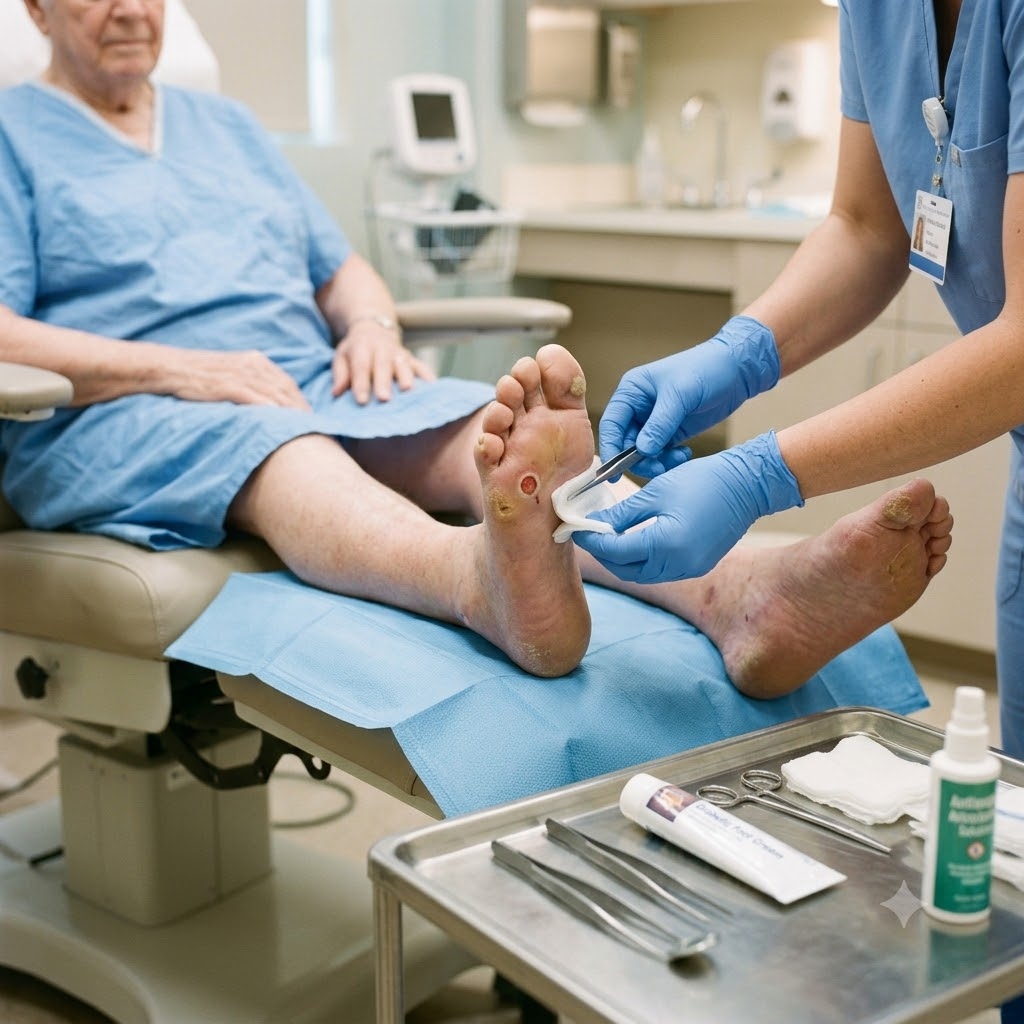
Diabetic Foot Treatment in Ahmednagar for Foot Care
Diabetes can affect foot sensation, circulation, skin condition, and the body's ability to repair tissue. Because of these changes, a minor cut, blister, pressure area, or skin crack may sometimes go unnoticed or take longer to heal.
Diabetic foot treatment in Ahmednagar involves evaluating the condition of the foot, identifying factors that may affect healing, and planning suitable care according to the clinical findings. Dr. Dayanand L.M. can assess diabetic foot-related concerns and recommend an appropriate management and follow-up plan.
What Is a Diabetic Foot Problem?
Diabetic foot problems can develop when diabetes-related changes affect the nerves, blood vessels, skin, or tissue-healing process.
Common concerns may include:
- Foot wounds
- Cuts and minor injuries
- Blisters
- Skin cracks
- Pressure areas
- Swelling
- Changes in skin colour
- Reduced sensation
- Slow-healing wounds
- Signs of infection
How Diabetes Can Affect the Feet
Reduced Sensation
Diabetes may affect the nerves and reduce the ability to feel pain, pressure, heat, or minor injuries. This can make it difficult to notice a wound at an early stage.
Circulation Changes
Adequate blood flow is important for supplying oxygen and nutrients to tissues. Circulation problems may affect wound recovery.
Delayed Healing
Diabetes-related changes can influence the body's response to injury and may contribute to slower tissue repair.
Increased Risk of Infection
An open wound can become infected, particularly when it remains unnoticed or continues to experience pressure or friction.
Common Signs That Need Attention
A person with diabetes should pay attention to:
- Cuts that remain open
- Blisters that do not improve
- Cracked skin
- Persistent redness
- Swelling
- Local warmth
- Discharge
- Skin colour changes
- Changes in sensation
- Wounds that become larger or deeper
Pain may not always occur when sensation is reduced.
Foot Assessment
A clinical assessment can help determine the condition of the foot and identify factors that may contribute to a problem.
The evaluation may include:
- Skin condition
- Wound location
- Wound size and depth
- Surrounding tissue
- Signs of infection
- Foot sensation
- Blood circulation
- Pressure points
- Footwear
- Mobility
- Diabetes history
- Other relevant health conditions
Further investigations may be advised when clinically appropriate.
Importance of Pressure Reduction
Repeated pressure can contribute to skin breakdown and delayed healing.
Pressure may come from:
- Poorly fitting footwear
- Prolonged standing
- Walking
- Repeated contact with a particular area
- Hard surfaces
Protecting the affected area and reducing unnecessary pressure can help prevent further tissue damage.
Diabetic Foot Wounds
A small injury may develop into a persistent wound when sensation, circulation, or healing is affected.
A diabetic foot wound should be assessed if it:
- Remains open
- Does not improve
- Becomes larger
- Produces discharge
- Develops redness or swelling
- Changes colour
- Shows signs of infection
Early evaluation can help identify factors affecting healing.
Diabetes and Foot Healing
Blood glucose management is an important part of overall diabetes care. Diabetes-related changes can influence the body's response to injury and tissue repair.
People with diabetes should continue their prescribed treatment and attend regular medical reviews as advised.
Frequently Asked Questions
Diabetic Foot Care in Ahmednagar
Diabetic foot problems can have multiple contributing factors. Foot assessment, wound protection, pressure reduction, infection monitoring, attention to circulation and sensation, and appropriate follow-up can form important parts of care.
For individuals looking for diabetic foot treatment in Ahmednagar, Dr. Dayanand L.M. can assess the foot condition and recommend an appropriate care and follow-up plan based on the clinical findings.