Chronic Wound Treatment in Nandurbar
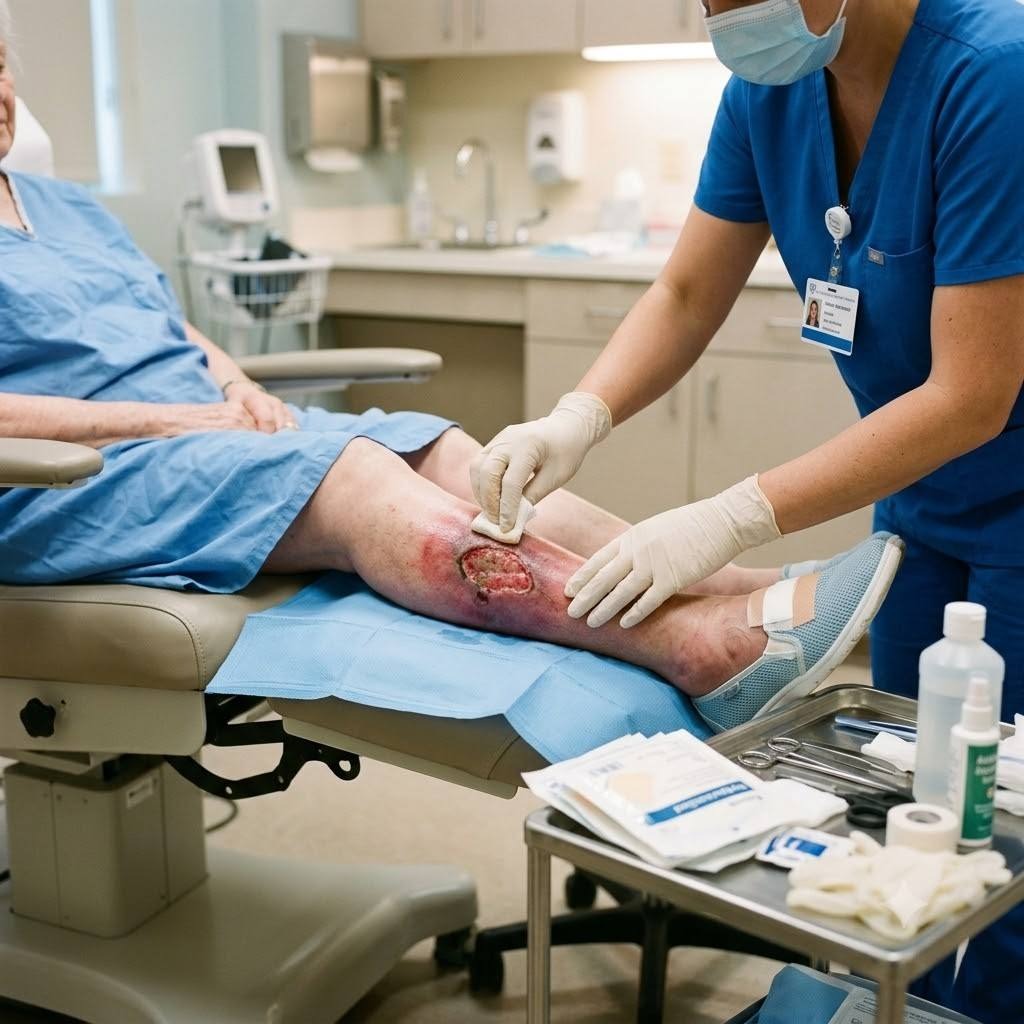
Chronic Wound Treatment in Nandurbar for Long-Lasting Wounds
A wound that remains open for a prolonged period or repeatedly fails to progress through normal healing may require a detailed evaluation. Chronic wounds can be associated with diabetes, circulation problems, repeated pressure, infection, reduced sensation, or other underlying factors.
Chronic wound treatment in Nandurbar focuses on understanding why healing has been delayed rather than treating the wound surface alone. Assessment may include the wound's depth and tissue condition, circulation, infection risk, pressure, sensation, and other factors that can influence recovery.
What Is a Chronic Wound?
A chronic wound is an injury that does not heal within the expected period or repeatedly breaks down.
Chronic wounds may occur on:
- Feet
- Ankles
- Lower legs
- Heels
- Pressure-prone areas
- Surgical sites
- Other areas affected by repeated injury
The appearance and cause of a chronic wound can differ from one person to another.
Why Do Some Wounds Become Chronic?
Several factors can interfere with normal healing.
Diabetes
Diabetes may affect sensation, circulation, and tissue repair, which can contribute to delayed healing.
Poor Circulation
Adequate blood flow is important for delivering oxygen and nutrients to damaged tissue. Circulation problems may slow recovery.
Repeated Pressure
Continuous pressure from footwear, sitting, standing, or lying in one position can repeatedly affect the same area.
Infection
An infection may interfere with tissue repair and cause a wound to remain open or worsen.
Reduced Sensation
When sensation is reduced, a person may not notice pressure, friction, or a minor injury.
Nutritional Factors
Inadequate nutritional intake may affect the body's ability to repair damaged tissue.
Common Types of Chronic Wounds
Persistent wounds may include:
- Diabetic foot wounds
- Foot ulcers
- Leg ulcers
- Pressure injuries
- Non-healing traumatic wounds
- Chronic surgical wounds
- Recurrent skin breakdown
Each type may require a different assessment and management approach.
Signs That a Wound May Be Chronic
A wound may require further evaluation when it:
- Remains open for an extended period
- Shows minimal improvement
- Repeatedly reopens
- Becomes larger
- Develops persistent discharge
- Changes colour
- Has surrounding skin changes
- Becomes deeper
- Develops an unpleasant odour
Pain may vary depending on the wound and the person's sensation.
Finding the Reason for Delayed Healing
A chronic wound may continue to persist if the underlying cause is not addressed.
For example:
- Repeated pressure can continue to damage the wound.
- Reduced circulation can affect oxygen and nutrient delivery.
- Reduced sensation can allow unnoticed injuries to continue.
- Infection can interfere with tissue repair.
- Diabetes may affect several aspects of wound healing.
Identifying these factors can help guide the wound-care plan.
When Should a Chronic Wound Be Evaluated?
A persistent wound should be assessed when:
- It does not show expected improvement
- It repeatedly reopens
- The wound becomes deeper
- The wound increases in size
- Discharge continues
- The surrounding skin changes
- There is increasing redness or swelling
- An unusual odour develops
- Infection is suspected
- Fever occurs
A wound that is not healing should not simply be covered repeatedly without considering the factors affecting recovery.
Frequently Asked Questions
Chronic Wound Care in Nandurbar
A chronic wound often requires attention to more than the visible wound. Understanding the factors affecting healing—such as pressure, circulation, infection, sensation, diabetes, and nutritional status—can help guide appropriate management.
For individuals seeking chronic wound treatment in Nandurbar, clinical wound assessment can help determine the condition of the wound and identify possible barriers to healing. Appropriate wound care and regular monitoring can then be planned according to the individual's clinical needs.