Bedsore Treatment in Nandurbar
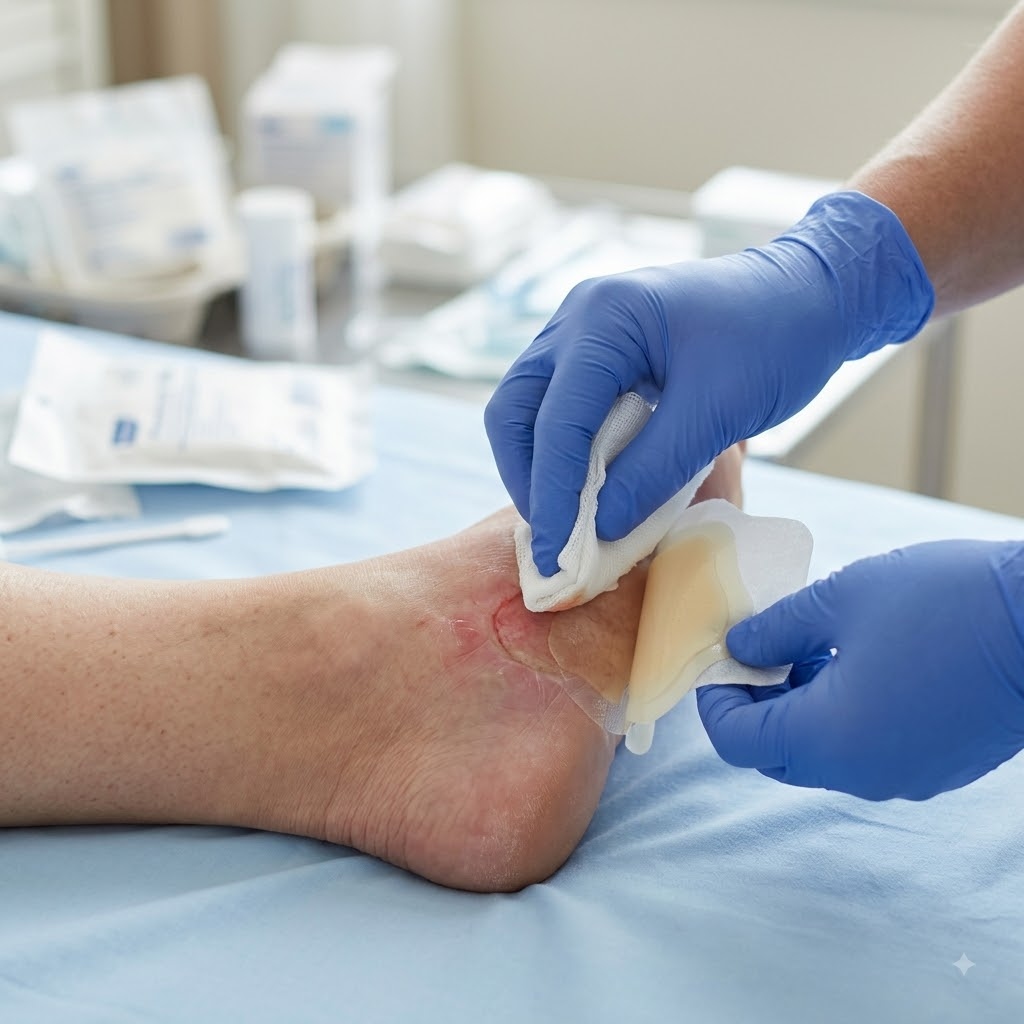
Bedsore Treatment in Nandurbar for Pressure-Related Wounds
Bedsores, also called pressure injuries or pressure sores, can develop when continuous pressure affects the skin and underlying tissue. They are more common in people who spend long periods in bed or a chair and have limited ability to change position.
Bedsore treatment in Nandurbar involves assessing the affected area, identifying the stage and severity of the pressure injury, reducing continued pressure, protecting the surrounding skin, and providing appropriate wound care. Dr. Dayanand L.M. can evaluate the condition and recommend care based on the wound and the individual's overall health.
What Is a Bedsore?
A bedsore is an area of damaged skin and tissue caused mainly by prolonged pressure. Pressure can reduce blood flow to the affected area and, when it continues, may lead to tissue breakdown.
Bedsores commonly occur over areas where bone is close to the skin, such as:
- Tailbone
- Heels
- Hips
- Ankles
- Elbows
- Shoulder blades
- Back of the head
The severity can range from persistent redness to deeper tissue damage.
Early Signs of a Bedsore
Identifying pressure-related skin changes early can help prevent further tissue damage.
Possible early signs include:
- Persistent redness
- Skin colour changes
- Local warmth or coolness
- Swelling
- Changes in skin texture
- Tenderness
- A darker or discoloured area
- A blister or superficial skin break
People with reduced sensation may not feel discomfort even when the skin is damaged.
Different Stages of Pressure Injuries
Pressure injuries can vary in depth and severity.
Early Skin Changes
The skin may remain intact but show persistent colour or texture changes.
Partial Skin Breakdown
The outer layers of skin may become damaged, sometimes appearing as a shallow open area or blister.
Deeper Tissue Damage
The wound may extend deeper into the tissue and require more intensive wound assessment.
Extensive Tissue Injury
Severe pressure injuries can involve deeper structures and require detailed medical evaluation.
The exact classification depends on clinical examination.
What Causes Bedsores?
Several factors can contribute to pressure injury formation.
Prolonged Pressure
Constant pressure over a bony area can restrict blood flow and damage tissue.
Shear
Sliding down a bed or chair can cause deeper tissue stress even when the skin surface appears less affected.
Friction
Repeated rubbing against bedding, clothing, or other surfaces can damage the skin.
Moisture
Excess moisture from sweating, urine, or stool can weaken the skin and increase vulnerability to breakdown.
Protecting the Surrounding Skin
Skin around a bedsore can become vulnerable to moisture and friction.
Skin care may include:
- Keeping the area appropriately clean
- Managing excess moisture
- Protecting surrounding skin
- Reducing friction
- Avoiding unnecessary rubbing
- Checking the skin regularly
Care should be adapted according to the individual's needs.
Nutrition and Pressure Injury Healing
Adequate nutrition can support the body's tissue-repair processes. People with persistent pressure injuries may require assessment of their nutritional intake.
Factors that may be considered include:
- Appetite
- Food intake
- Weight changes
- Hydration
- Existing nutritional concerns
Specific nutritional recommendations should be based on individual clinical requirements.
Frequently Asked Questions
Bedsore Care in Nandurbar
Managing a bedsore requires attention to the wound as well as the pressure and health factors contributing to it. Pressure relief, wound assessment, suitable dressing, skin protection, infection monitoring, nutrition, and regular follow-up can all form part of care.
For individuals seeking bedsore treatment in Nandurbar, Dr. Dayanand L.M. can assess the pressure injury and determine the appropriate wound-care and pressure-management approach based on its condition.