Bedsore Treatment in Malegaon
Bedsore Treatment in Malegaon
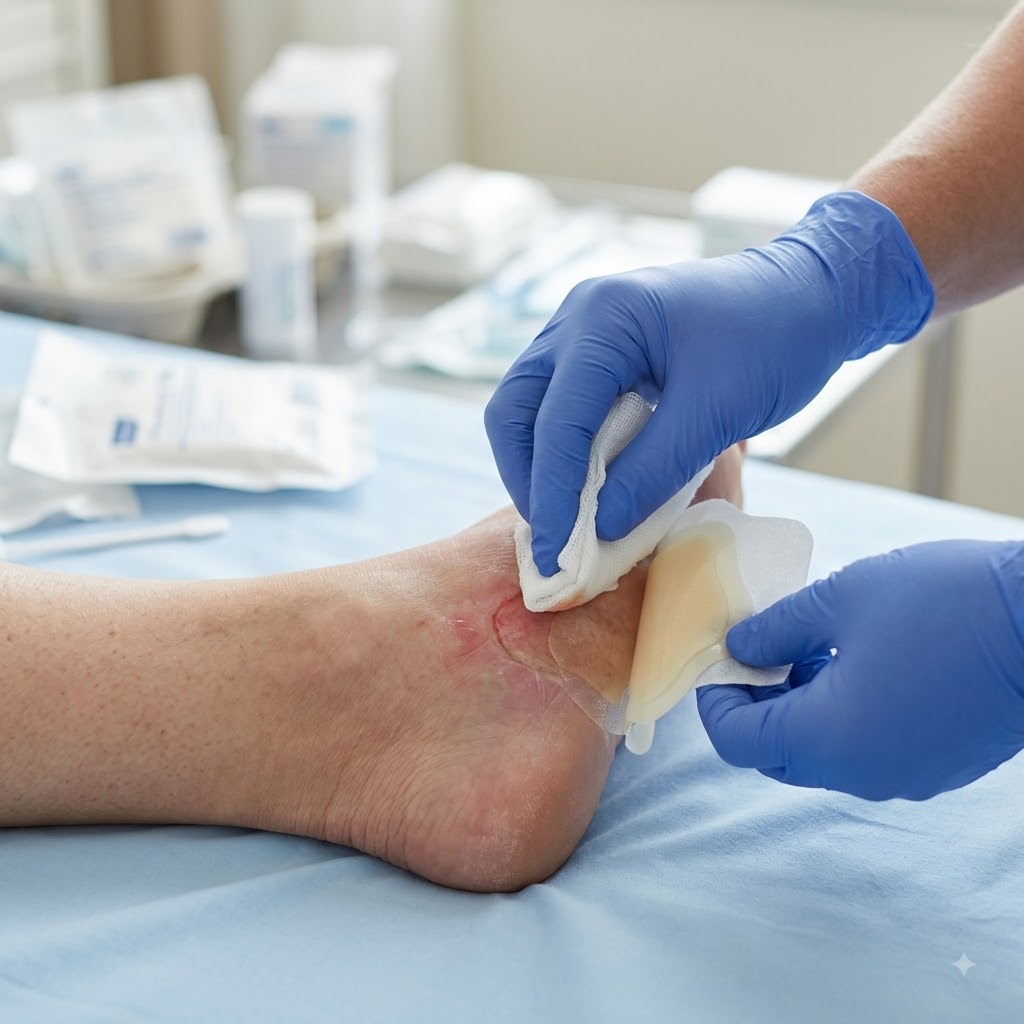
A bedsore, also called a pressure injury or pressure ulcer, can develop when continuous pressure reduces blood flow to an area of skin and the underlying tissue. It is more common in people who spend long periods in bed or remain seated for extended periods with limited movement.
Bedsore treatment in Malegaon involves assessing the affected area, identifying the stage and extent of the pressure injury, reducing further pressure, and providing appropriate wound care. Dr. Dayanand L.M. can evaluate the wound and recommend a care and follow-up approach based on its condition.
What Is a Bedsore?
A bedsore is an injury to the skin and underlying tissue caused mainly by prolonged pressure. Friction and shear can also contribute to tissue damage.
Common areas where bedsores may develop include:
- Heels
- Ankles
- Tailbone
- Hips
- Elbows
- Shoulder blades
- Back of the head
- Areas affected by prolonged sitting
The appearance of a pressure injury can range from skin discolouration to an open wound involving deeper tissue.
Who Is More Likely to Develop Bedsores?
Pressure injuries are more common among people who:
- Remain in bed for long periods
- Have limited mobility
- Spend extended periods in a wheelchair
- Need assistance with repositioning
- Have reduced sensation
- Have poor nutritional intake
- Experience prolonged moisture around the skin
- Have conditions affecting circulation
Older adults and people recovering from serious illness may also have an increased risk.
How Do Bedsores Develop?
When pressure remains on the same area for too long, the blood supply to the tissue can become compromised.
Additional factors may include:
Prolonged Pressure
Constant pressure over areas such as the heel or tailbone can damage tissue.
Friction
Repeated rubbing between the skin and bedding, clothing, or other surfaces can cause skin injury.
Shear
Shear occurs when the skin and underlying tissues move in different directions, such as when a person slides down in bed.
Moisture
Excessive moisture from sweating or incontinence can weaken the skin and increase its vulnerability to damage.
Early Signs of a Bedsore
Pressure injuries can begin with changes that may appear minor.
Possible early signs include:
- Persistent redness or discolouration
- Swelling
- Changes in skin texture
- Tenderness
- A hardened or softer area of skin
- Blister formation
In people with reduced sensation, pain may not be a reliable warning sign.
Reducing Pressure on the Affected Area
Pressure relief is an important part of bedsore management. Simply covering the wound while pressure continues on the same area may not allow adequate recovery.
Depending on the individual's condition, pressure management may involve:
- Regular repositioning
- Pressure-relieving mattresses
- Cushions or support surfaces
- Heel protection
- Adjusting sitting position
- Reducing friction during movement
- Appropriate positioning techniques
The method should be selected according to the person's mobility and wound location.
Nutrition and Pressure Injury Healing
Adequate nutrition supports normal tissue repair.
Nutritional considerations may include:
- Sufficient protein intake
- Adequate fluids
- A balanced diet
- Addressing nutritional deficiencies when present
People with poor appetite, swallowing difficulties, or significant weight loss may require nutritional assessment.
When Should a Bedsore Be Evaluated?
Medical assessment is advisable when:
- Skin remains discoloured after pressure is removed
- A blister develops
- The skin breaks down
- An open wound appears
- The wound becomes deeper
- Discharge develops
- Redness or swelling increases
- An unpleasant odour develops
- Infection is suspected
- The wound is not improving
Early evaluation can help identify pressure and other factors contributing to tissue damage.
Frequently Asked Questions
Bedsore Care in Malegaon
Managing a bedsore requires attention to both the wound and the pressure that caused it. Pressure relief, appropriate dressing, skin protection, nutrition, infection monitoring, and regular assessment may all form part of care depending on the individual's condition.
For individuals seeking bedsore treatment in Malegaon, Dr. Dayanand L.M. can assess the pressure injury, evaluate its depth and surrounding tissue, identify factors contributing to continued pressure, and recommend an appropriate wound-care and follow-up plan.