Bedsore Treatment in Dhule
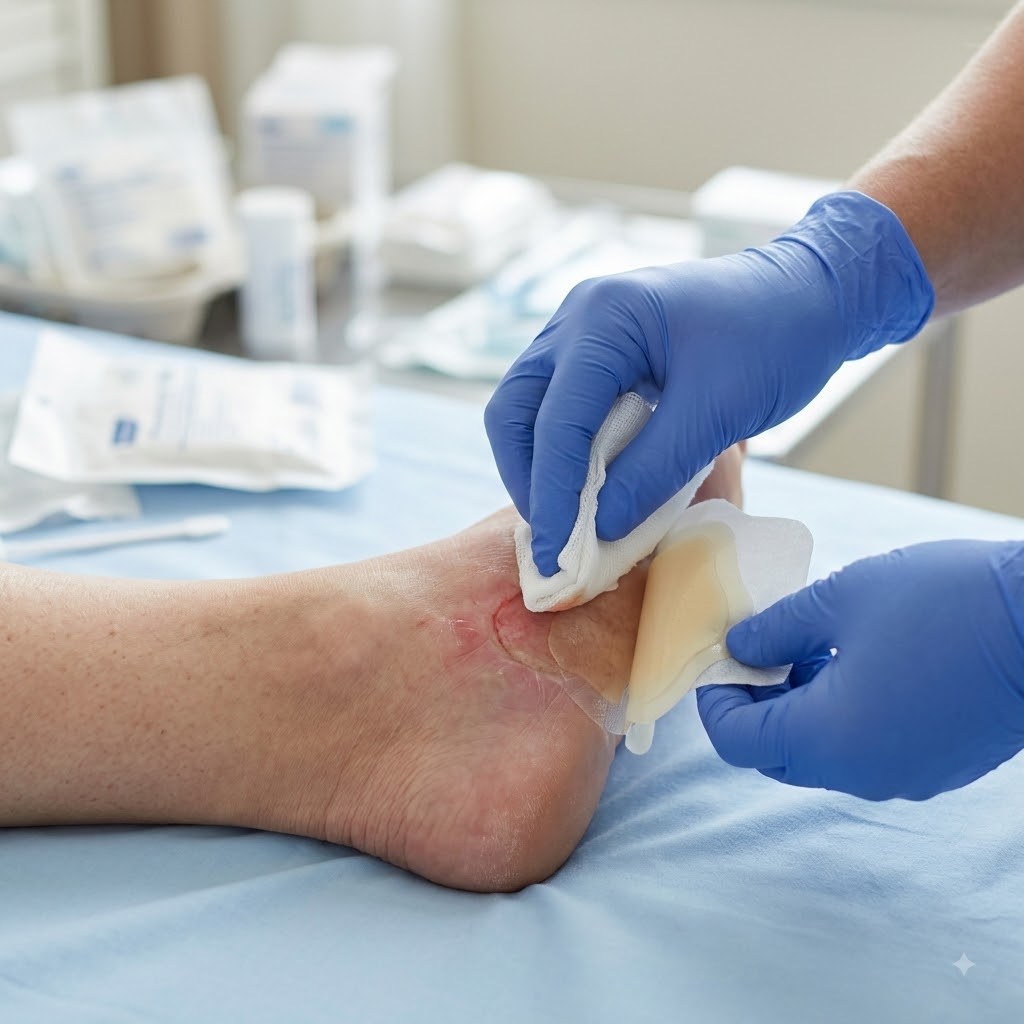
Bedsore Treatment in Dhule for Pressure Wound Care
A bedsore, also called a pressure injury, can develop when continuous pressure on an area of the body affects the skin and underlying tissue. These wounds are more likely to occur in people who have limited mobility and remain in the same position for extended periods.
Bedsore treatment in Dhule involves assessing the affected area, identifying the stage and condition of the wound, reducing pressure, and providing appropriate wound care. Dr. Dayanand L.M. can evaluate the wound and advise on suitable management and follow-up based on the clinical findings.
What Is a Bedsore?
A bedsore is an area of skin and tissue damage caused primarily by prolonged pressure. It commonly develops over areas where bones are close to the skin.
Common locations include:
- Lower back and tailbone
- Hips
- Heels
- Ankles
- Elbows
- Shoulder blades
- Back of the head
A bedsore can range from a change in skin colour to a deeper wound involving underlying tissue.
Why Do Bedsores Develop?
Prolonged Pressure
Constant pressure can reduce blood flow to the affected area and may damage the skin and underlying tissues.
Limited Mobility
People who have difficulty changing position may remain under pressure for longer periods.
Friction and Shearing
Dragging a person across a bed or chair can cause friction or shearing forces that damage the skin.
Moisture
Persistent moisture from sweating or incontinence can make the skin more vulnerable to breakdown.
Poor Nutritional Intake
Adequate nutrition is important for maintaining skin health and supporting tissue repair.
Common Signs of a Bedsore
Early signs may include:
- Persistent redness or skin discolouration
- Local warmth
- Swelling
- Changes in skin texture
- Tenderness
- A blister or open area
- Discharge
- Increasing wound size
- Darkened or damaged tissue
People with reduced sensation may not experience pain even when tissue damage is present.
Stages of Pressure Injuries
Pressure injuries are generally classified according to the depth and extent of tissue damage.
Early Skin Changes
The skin may remain intact but show persistent colour or texture changes.
Partial Skin Loss
The affected area may develop a shallow open wound or blister.
Deeper Tissue Damage
The wound may extend through the skin into deeper tissue.
Extensive Tissue Injury
Severe pressure injuries can involve deeper structures such as muscle, tendon, or bone.
The appearance of a wound does not always indicate its full depth, so clinical assessment may be necessary.
How Is a Bedsore Assessed?
A detailed evaluation helps determine the condition of the wound and factors contributing to its development.
Assessment may include:
- Location of the wound
- Size and depth
- Skin condition
- Wound-bed appearance
- Discharge
- Signs of infection
- Surrounding tissue
- Mobility
- Pressure points
- Nutrition
- Moisture exposure
- Relevant medical conditions
The management plan depends on the findings.
Wound Dressing and Skin Protection
The dressing used for a bedsore depends on the wound's depth, discharge, tissue condition, and surrounding skin.
The surrounding skin should also be protected from excessive moisture, friction, and further pressure.
Regular assessment helps determine whether the dressing and wound-care approach need to be changed.
Signs of Infection
A bedsore may become infected. Medical assessment is important when there is:
- Increasing redness
- Swelling
- Local warmth
- Increasing pain
- Pus or increased discharge
- Unpleasant odour
- Rapid wound deterioration
- Fever
- Feeling generally unwell
An infection should not be treated through self-prescribed medication.
Frequently Asked Questions
Bedsore Care in Dhule
Bedsore management requires attention to both the wound and the factors that caused or continue to affect it. Pressure reduction, appropriate dressing, skin protection, infection monitoring, nutrition, and regular assessment can form part of care.
For individuals seeking bedsore treatment in Dhule, Dr. Dayanand L.M. can assess the wound and advise on an appropriate care and follow-up plan based on its clinical condition.