Bedsore Treatment in Ahmednagar
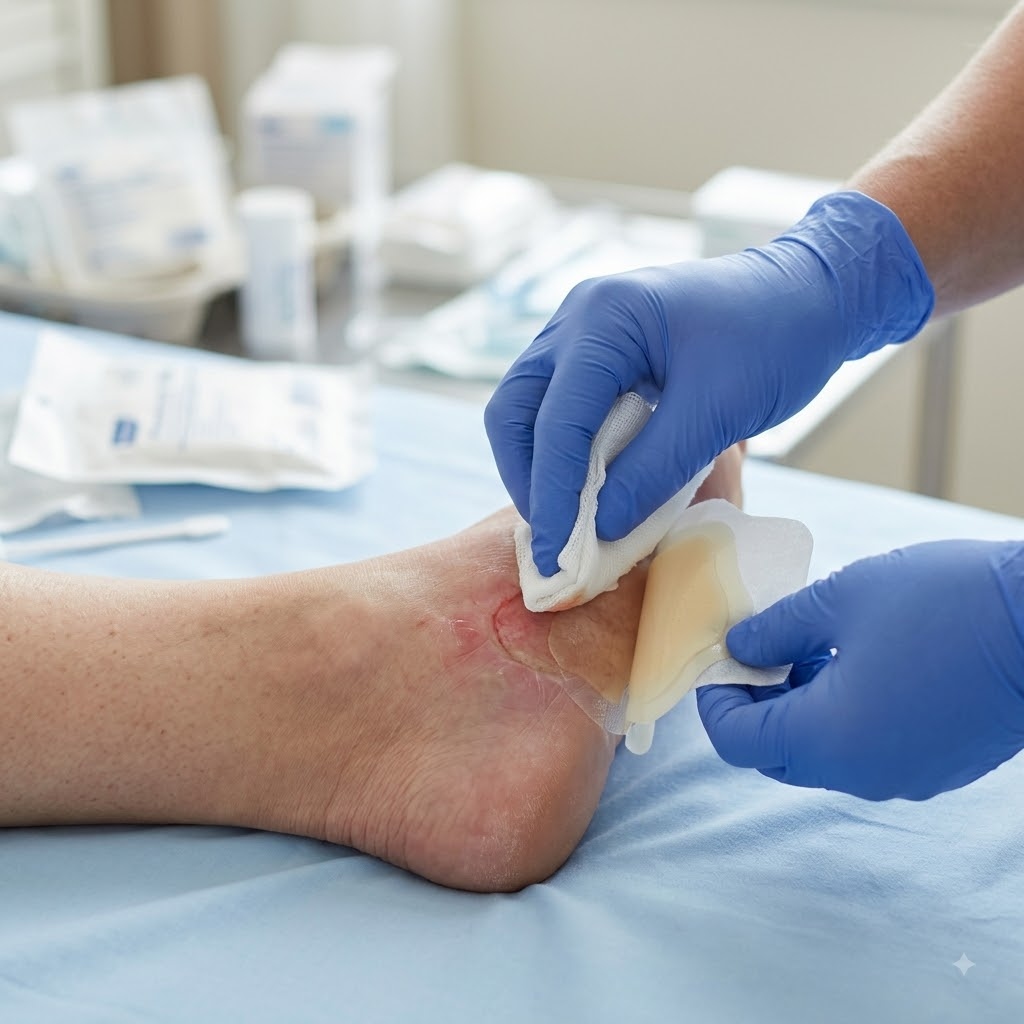
Bedsore Treatment in Ahmednagar for Pressure-Related Wounds
A bedsore, also called a pressure ulcer or pressure injury, can develop when continuous pressure affects the skin and underlying tissue. It is more common in people who spend long periods in bed or have limited ability to change their position.
Bedsore treatment in Ahmednagar involves assessing the affected area, identifying the source of pressure, checking the wound's depth and tissue condition, and planning suitable wound care. Dr. Dayanand L.M. can evaluate pressure-related wounds and recommend an appropriate management and follow-up plan based on clinical findings.
What Is a Bedsore?
A bedsore is an area of skin and tissue damage caused by prolonged pressure, often over a bony part of the body.
Common locations include:
- Lower back and tailbone
- Heels
- Hips
- Ankles
- Elbows
- Shoulder blades
- Back of the head
A pressure injury can begin with a subtle change in skin colour or texture and may progress if pressure continues.
Who Is More Likely to Develop Bedsores?
Bedsores are more common in people who have difficulty moving or changing position independently.
Risk factors may include:
- Prolonged bed rest
- Limited mobility
- Long periods of sitting
- Reduced sensation
- Paralysis or weakness
- Previous pressure injuries
- Excessive moisture
- Poor nutritional intake
- Certain long-term medical conditions
Regular inspection of pressure-prone areas is important for people at increased risk.
How Do Bedsores Develop?
Pressure-related tissue damage can result from several factors.
Prolonged Pressure
Continuous pressure can reduce blood flow to the affected area and contribute to tissue damage.
Friction
Repeated rubbing against bedding, clothing, or other surfaces can weaken the skin.
Shear
Sliding or repositioning across a bed or chair can cause movement between the skin and deeper tissues.
Moisture
Persistent moisture from sweating or incontinence can make the skin more vulnerable to breakdown.
Early Signs of a Bedsore
A pressure injury may initially appear as:
- Persistent redness or discolouration
- Change in skin temperature
- Swelling
- Firm or unusually soft skin
- Tenderness
- Changes in skin texture
When pressure continues, a blister or open wound may develop.
People with reduced sensation may not experience pain despite significant tissue damage.
Pressure Relief and Repositioning
Reducing continued pressure is an important part of managing a bedsore.
Depending on the individual's condition, pressure-relieving measures may include:
- Regular position changes
- Appropriate mattresses
- Pressure-relieving cushions
- Positioning aids
- Adjusting sitting or sleeping positions
- Avoiding prolonged pressure on the affected area
The appropriate method depends on mobility, wound location, and overall condition.
Nutrition and Pressure Injury Care
Adequate nutrition supports normal tissue repair. People with poor appetite, reduced food intake, or nutritional concerns may require assessment.
Nutritional requirements differ between individuals, so dietary support should be based on the person's clinical needs.
Bedsores in People With Diabetes
People with diabetes may require additional attention to pressure-related wounds because diabetes can affect sensation, circulation, and tissue repair.
A pressure injury may not be painful when sensation is reduced. Regular inspection and appropriate pressure management can therefore be important.
Blood glucose management should continue according to the individual's prescribed medical plan.
When Should a Bedsore Be Evaluated?
A pressure-related wound should be medically assessed when:
- Persistent skin discolouration develops
- A blister appears
- The skin breaks down
- The wound becomes deeper
- The affected area becomes larger
- Discharge develops
- Redness or swelling increases
- An unusual odour develops
- Infection is suspected
- Fever occurs
Early assessment can help determine the extent of tissue damage and contributing factors.
Frequently Asked Questions
Bedsore Care in Ahmednagar
Bedsores can progress when pressure continues to affect vulnerable tissue. Assessment of the wound, pressure reduction, suitable dressing care, skin protection, infection monitoring, and regular follow-up can all contribute to appropriate management.
For individuals seeking bedsore treatment in Ahmednagar, Dr. Dayanand L.M. can assess the pressure injury and recommend a suitable wound-care and follow-up plan according to its clinical condition.